Malta: A travel guide to what to see, what to do and where to stay
Fortified cities, prehistoric temples, rocky coastlines and short boat trips make Malta a year-round destination. Find out how to plan your trip, which areas are worth visiting and where to look for accommodation.
Από Travelo Team
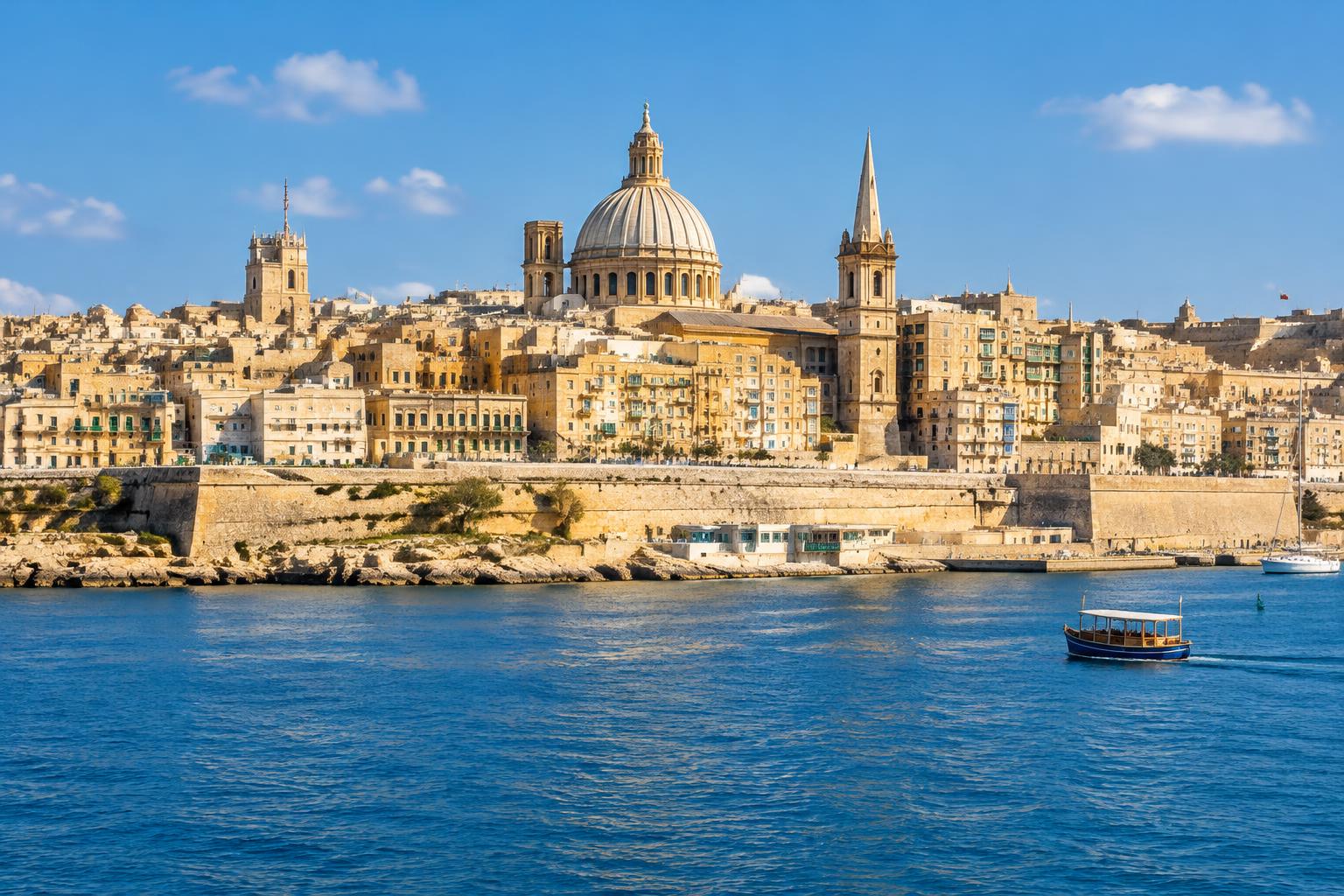
Malta is worth visiting for the remarkable variety of experiences packed into such a small area: in a single day, you can walk through a fortified capital, see works by Caravaggio and take a short boat trip across the harbour for a meal beside historic waterfronts. You need at least three full days for a first visit, while five to seven allow you to add Gozo, beaches and smaller towns and villages without rushing.
It is not just a summer destination, nor an island you can fully explore in a weekend. In winter, cities and museums take centre stage; spring is ideal for walks, summer for the sea, and autumn for a mix of all three. Choosing the right area to stay in and planning realistic journey times make more of a difference than the number of sights you tick off.
Why visit
The Maltese archipelago lies in the central Mediterranean, south of Sicily, with Malta, Gozo and Comino as its main islands. The country covers around 316 square kilometres, but its small size can be misleading: dense development and traffic add considerably to journey times. Urban areas and natural harbours dominate the east, while the west offers steep coastal cliffs, farmland and more open landscapes. You will not find forests or high mountains, but limestone hills, dry-stone walls and a coastline whose character changes from one bay to the next.
Malta's history begins long before the Knights. Its megalithic temples bear witness to organised prehistoric societies and rank among the Mediterranean's most important monuments. Phoenicians, Romans, Arabs and European dynasties followed, each leaving their mark on the language, place names and everyday life. Maltese is a Semitic language written in the Latin alphabet and enriched with Italian and English influences. English is also an official language, so visitors usually find communication straightforward.
The Knights of St John settled here in the 16th century and shaped much of the Malta we recognise today. Valletta was built after the Great Siege of 1565, with a carefully planned layout, imposing fortifications and public buildings. The links with Rhodes add an interesting historical dimension to a visit, particularly if you have read the Rhodes travel guide. Here, though, the stone has a different hue, and the architecture combines military austerity with Baroque details.
The British period also left a clear imprint: driving on the left, the English language and certain administrative practices and everyday customs. At the same time, parish festivals, neighbourhood bands, colourful enclosed balconies and small family businesses retain a strong local character. It is worth venturing away from the busy seafront roads to watch life unfold in a square in Mosta or along the narrow streets of Rabat, without necessarily seeking out a particular sight.
Gozo offers a different pace, more farmland and smaller settlements. Comino is best known for the Blue Lagoon, but a visit requires careful planning because of seasonal crowds and weather conditions. Malta does not have sandy beaches everywhere: swimming often means entering the water from rocks or designated access points. If your priority is long stretches of beach and mountain scenery, the Crete guide helps put into perspective just how different the two experiences are.
Ultimately, Malta's strength is its combination of culture and sea within short distances. It suits couples, groups of friends, independent travellers and families who do not want to spend every day at a seaside hotel or apartment. You simply need to accept it as it is: a modern, densely populated country, not an island where every corner is peaceful. Its charm lies in the contrasts and details.
Getting there
The most practical way to reach Malta from Greece is to fly to Malta International Airport, near Luqa. A direct flight from Athens takes around 1 hour 45 minutes to 2 hours. From Thessaloniki, when direct flights are available, allow around 1 hour 50 minutes to 2 hours. Schedules vary by season; alternatively, look for a connection via Athens or another European hub.
Buses run from the airport to Valletta, while taxis and ride-hailing apps serve the main tourist areas. By car, allow around 15 to 30 minutes to reach Valletta, and longer for Sliema or St Julian's when traffic is heavy. The bus usually takes longer, depending on the route and stops.
Travelling by road mainly makes sense as part of a longer trip through Italy: head to Sicily, then take the ferry from Pozzallo. Check vehicle carriage options and car hire terms. For driving locally, read the guide to car hire in Malta. Driving on the left requires the same adjustment described in the guide to getting around Larnaca by car.
What to see
Valletta and St John’s Co-Cathedral
Start at the City Gate, walk along Republic Street and head down the narrow side streets with their distinctive balconies. St John’s Co-Cathedral stands out for its ornate interior and works by Caravaggio. The Upper Barrakka Gardens offer superb views over the Grand Harbour. Allow almost a full day to explore the capital properly.
The Three Cities
Vittoriosa, Senglea and Cospicua lie across the harbour from Valletta. Vittoriosa, also known as Birgu, is a good starting point for a wander among fortifications, old houses and narrow passageways. Arriving by boat from Valletta is particularly scenic, conditions permitting.
Mdina and Rabat
The walled city of Mdina is best explored on foot early in the morning or later in the afternoon, when the daytime crowds thin out. Its narrow streets, grand houses and views from the walls deserve more than a quick photo stop. In neighbouring Rabat, visit St Paul’s Catacombs and leave time for a coffee.
Ħaġar Qim and Mnajdra
These two megalithic temple complexes near the south coast are a must for anyone interested in prehistory. Their setting helps you understand the relationship between the monuments and the landscape. Combine a visit with the Blue Grotto, where short boat trips operate only when sea conditions allow.
Marsaxlokk and the south coast
The fishing village of Marsaxlokk is known for its colourful luzzu boats and waterfront restaurants. Go in the morning for a stroll around the harbour, then continue along the coast. St Peter’s Pool is a rocky swimming spot, not a sandy beach with facilities, and requires care when there are waves or strong winds.
Gozo and Comino
Highlights on Gozo include the Citadel in Victoria, the Ġgantija temples, Ramla Bay and the landscape around Dwejra. Give the island at least one full day. Before heading to the Blue Lagoon on Comino, check the current entry booking requirements, boat timetables and weather. Do not try to squeeze all these places into a single excursion.
Activities
Diving is a major draw, with reefs, caves and wrecks suited to different experience levels. Choose a licensed dive centre and a dive appropriate for your certification. For snorkelling, opt for sheltered bays and do not underestimate the wind just because the sky is clear.
On land, the Dingli Cliffs and Gozo’s trails are good options for walking outside the hottest periods. Shade and safety railings are not available everywhere. Alternatively, choose a guided tour of Valletta, a local wine tasting or a late-afternoon boat trip around the harbour. For families, short outings and frequent breaks work better than back-to-back visits to historic sites.
When to visit
Spring
This is one of the best times for sightseeing and hiking, with greener countryside and usually pleasant temperatures. The sea is still cool, and the wind can affect excursion plans. Bring a light jacket and shoes with good grip.
Summer
The heat, strong sunshine and larger crowds make early starts and midday breaks essential. Book accommodation and popular activities well in advance. To compare Malta with a holiday focused purely on the seaside, see the areas to stay in Elafonisos: Malta offers a more urban setting and more cultural sights.
Autumn
In early autumn, the sea is often still warm enough for swimming, while rain and wind become more frequent later in the season. It is a good time to combine city and coast, provided you keep plans for boat trips flexible. For a different Mediterranean experience, also consider these places to base yourself in Tunisia.
Winter
Valletta, Mdina and the museums remain appealing options. The weather is generally mild, but sunshine is not guaranteed, and conditions can be damp and windy. Check that your accommodation has heating. If you are comparing winter island breaks, also take a look at these hotels with indoor pools in Crete.
3-day itinerary
Day 1
Spend the morning in Valletta and at St John's Co-Cathedral. After lunch, head to the Upper Barrakka Gardens, then cross over to Vittoriosa. Return to the capital for dinner, without trying to fit another major museum into the same day.
Day 2
Start in Mdina and continue to Rabat. In the afternoon, choose either the Dingli Cliffs or the temples of Ħaġar Qim and Mnajdra, depending on your interests. If travelling by bus, plan fewer stops, as journeys across the island can be time-consuming.
Day 3
If the weather is good, take a full-day trip to Gozo, focusing on Victoria and one coastal area. Alternatively, stay on Malta to visit Marsaxlokk and the south coast. If you are flying out that day, avoid a trip that depends on a return ferry crossing.
What to eat
Try pastizzi, small flaky pastries filled with ricotta or peas, and ftira, the distinctive Maltese bread often served with a filling. Rabbit is a traditional dish, usually cooked with garlic and wine. You will also find gbejniet, small cheeses, and seasonal fish, with lampuki holding a special place in local cuisine.
Budget around €5.12 for a quick bite, while a meal at a simple restaurant may cost around €18.35 per person. Fish, wine and a prime location will push up the bill. Ask how fresh fish is priced, and look for small places away from the busiest stretches.
Where to stay
Valletta is convenient for history and getting around without a car. Sliema has a busy shopping scene and a seafront promenade, while St Julian's suits those looking for restaurants and nightlife. The St Paul’s Bay area is better placed for exploring the north; Mosta, Żebbuġ and the south coast require more careful transport planning. If a completely car-free setting is your priority, consider the guide to accommodation on Hydra as an alternative.
The ranges below are indicative budgets per room per night, not live offers. Check the exact address, room type, taxes and cancellation terms before paying.
1. Regional Hotel by NEU Collective
An option in the Swieqi area, close to the wider urban area of St Julian's. Check the route to the bus stops that serve your itinerary.
- Average cost: €80 to €180 per night (indicative)
2. Hyatt Centric Malta
A hotel in St Julian's, well suited as a base for the livelier side of the island. The area is convenient for those who want plenty of options for going out.
- Average cost: €120 to €280 per night (indicative)
3. ME by Meliá Malta
A luxury accommodation option in St Julian's. Best suited to travellers with a larger accommodation budget.
- Average cost: €200 to €450 per night (indicative)
4. Balcony Studios
An option for those looking for studio accommodation. Carefully compare the occupancy and facilities of the specific studio type on offer.
- Average cost: €60 to €150 per night (indicative)
5. East Sliema Suites
An accommodation option in Sliema. The area suits visitors who combine day trips with urban amenities.
- Average cost: €70 to €170 per night (indicative)
6. Best Western Premier Malta
A hotel in the St Paul’s Bay area. A good option for an itinerary focused on northern Malta rather than daily visits to Valletta.
- Average cost: €100 to €240 per night (indicative)
7. Avalon Boutique Hotel Valletta
An option within Valletta for a history-focused trip. Staying in the capital lets you enjoy the city after the day-trippers have left.
- Average cost: €130 to €280 per night (indicative)
8. Deep Blu Boutique Hotel
Located in Wied iż-Żurrieq, near the Blue Grotto. It suits those who prefer the south coast to the densely built-up tourist areas.
- Average cost: €100 to €230 per night (indicative)
9. The Sliema Suites
An alternative base in Sliema for exploring the island. Before booking, check the actual distance to the beach and public transport.
- Average cost: €70 to €180 per night (indicative)
10. AC Hotel by Marriott St Julian's
A hotel in St Julian's for a stay in a lively tourist area. Convenient for those who want to combine day trips with evenings out.
- Average cost: €100 to €240 per night (indicative)
11. Lulu Boutique Hotel
Located in Żebbuġ, Malta, away from the main seaside resorts. An option for travellers who want a different perspective on everyday life on the island.
- Average cost: €130 to €280 per night (indicative)
12. Julina Boutique Living
An option in Mosta, in inland Malta. This base is better suited to an exploratory itinerary than a holiday spent entirely by the sea.
- Average cost: €90 to €190 per night (indicative)
Practical tips
- Documents and currency: Malta is part of the EU and the Schengen Area. Greek travellers need a valid travel document; the currency is the euro.
- Electricity and time: Sockets are mainly British Type G, so you will need an adaptor. Malta is one hour behind Greece.
- Getting around: Buses cover much of the island, but allow plenty of time for journeys. Local ferries are useful when services are running normally.
- Driving: Traffic drives on the left. Check insurance, collision damage waiver terms and parking options before hiring a car.
- Bookings: For popular historic sites, especially the Ħal Saflieni Hypogeum, look for tickets well in advance.
- Safety: Protect yourself from the sun, follow warnings along the coast and take out travel insurance as well as carrying your European Health Insurance Card.
Frequently asked questions
How many days do you need in Malta?
Three full days will give you a first taste. Five to seven days are better for including Gozo, visiting beaches and enjoying a more relaxed pace.
When is the best time to visit?
Spring and autumn offer a good balance for walking and sightseeing. Choose the warmer months for swimming; for city visits, you can travel all year round.
Do you need a car?
Not for Valletta, Sliema or the main urban routes. A car helps with reaching secluded stretches of coast and making multiple stops, but it means driving on the left and finding parking.
Is Malta an expensive destination?
Costs depend mainly on the season and your accommodation. A cheaper room, buses and simple meals can keep spending down considerably.
Is Gozo worth a day trip?
Yes, provided you set off early and choose just a few stops. For a better feel for the island and less time spent travelling, it is worth staying overnight.
Is Malta suitable for children?
Yes, if you choose your area and beach carefully. Hills, steps and rocky shores call for extra care with a pushchair or young children.
Σύγκριση
Τα καταλύματα με μια ματιά
Τύπος καταλύματος
Τα φίλτρα σας αποθηκεύονται αυτόματα για αυτόν τον προορισμό.
| Κατάλυμα | Περιοχή | Τύπος | Τιμή από | Βαθμολογία | Λίστα |
|---|---|---|---|---|---|
| Regional Hotel by NEU Collective | Where to stay | Ξενοδοχείο | — | — | |
| Hyatt Centric Malta | Where to stay | Ξενοδοχείο | — | — | |
| ME by Meliá Malta | Where to stay | Ξενοδοχείο | — | — | |
| Balcony Studios | Where to stay | Διαμερίσματα | — | — | |
| East Sliema Suites | Where to stay | Σουίτες | — | — | |
| Best Western Premier Malta | Where to stay | Ξενοδοχείο | — | — | |
| Avalon Boutique Hotel Valletta | Where to stay | Boutique | — | — | |
| Deep Blu Boutique Hotel | Where to stay | Boutique | — | — | |
| The Sliema Suites | Where to stay | Σουίτες | — | — | |
| AC Hotel by Marriott St Julian's | Where to stay | Ξενοδοχείο | — | — | |
| Lulu Boutique Hotel | Where to stay | Boutique | — | — | |
| Julina Boutique Living | Where to stay | Boutique | — | — |
Οι τιμές είναι ενδεικτικές, όπως αναφέρονται στο άρθρο, και αλλάζουν ανά εποχή. Η λίστα σας αποθηκεύεται τοπικά στη συσκευή σας. Οι σύνδεσμοι είναι affiliate links, χωρίς επιπλέον χρέωση για εσάς.

Η συντακτική ομάδα
Travelo Team
Συντακτική ομάδα του Travelo.gr
Πολυταξιδεμένη συντακτική ομάδα με πάνω από 15 χρόνια στον ταξιδιωτικό δημοσιογραφικό χώρο και περισσότερους από 45 προορισμούς σε Ελλάδα και Ευρώπη. Έχουμε διανυκτερεύσει σε εκατοντάδες καταλύματα — από μικρά οικογενειακά ξενοδοχεία και παραδοσιακούς ξενώνες μέχρι resorts 5 αστέρων — και δοκιμάζουμε προσωπικά περιοχές, μεταφορές και υπηρεσίες πριν προτείνει κάτι.
- 45+ προορισμοί επί τόπου
- 500+ καταλύματα σε αξιολόγηση
- 15 χρόνια ταξιδιωτικής αρθρογραφίας
Πώς δουλεύουμε: κάθε οδηγός βασίζεται σε επιτόπια εμπειρία, διασταύρωση αξιολογήσεων επισκεπτών και έλεγχο διαθεσιμότητας/τοποθεσίας κάθε καταλύματος. Ορισμένοι σύνδεσμοι είναι συνεργατικοί (affiliate) — αν κάνετε κράτηση μέσω αυτών, στηρίζετε το Travelo.gr χωρίς καμία επιπλέον χρέωση για εσάς, και δεν επηρεάζουν τις προτάσεις μας. Τελευταία ενημέρωση οδηγού: 11 Οκτωβρίου 2026.
Πού να μείνω — Επίσης