Crete: A travel guide to what to see, what to do and where to stay
From Minoan palaces and old towns to mountain villages and southern beaches, Crete offers a different travel experience in every season. Plan your routes, stops and accommodation around the time you have available.
Από Travelo Team
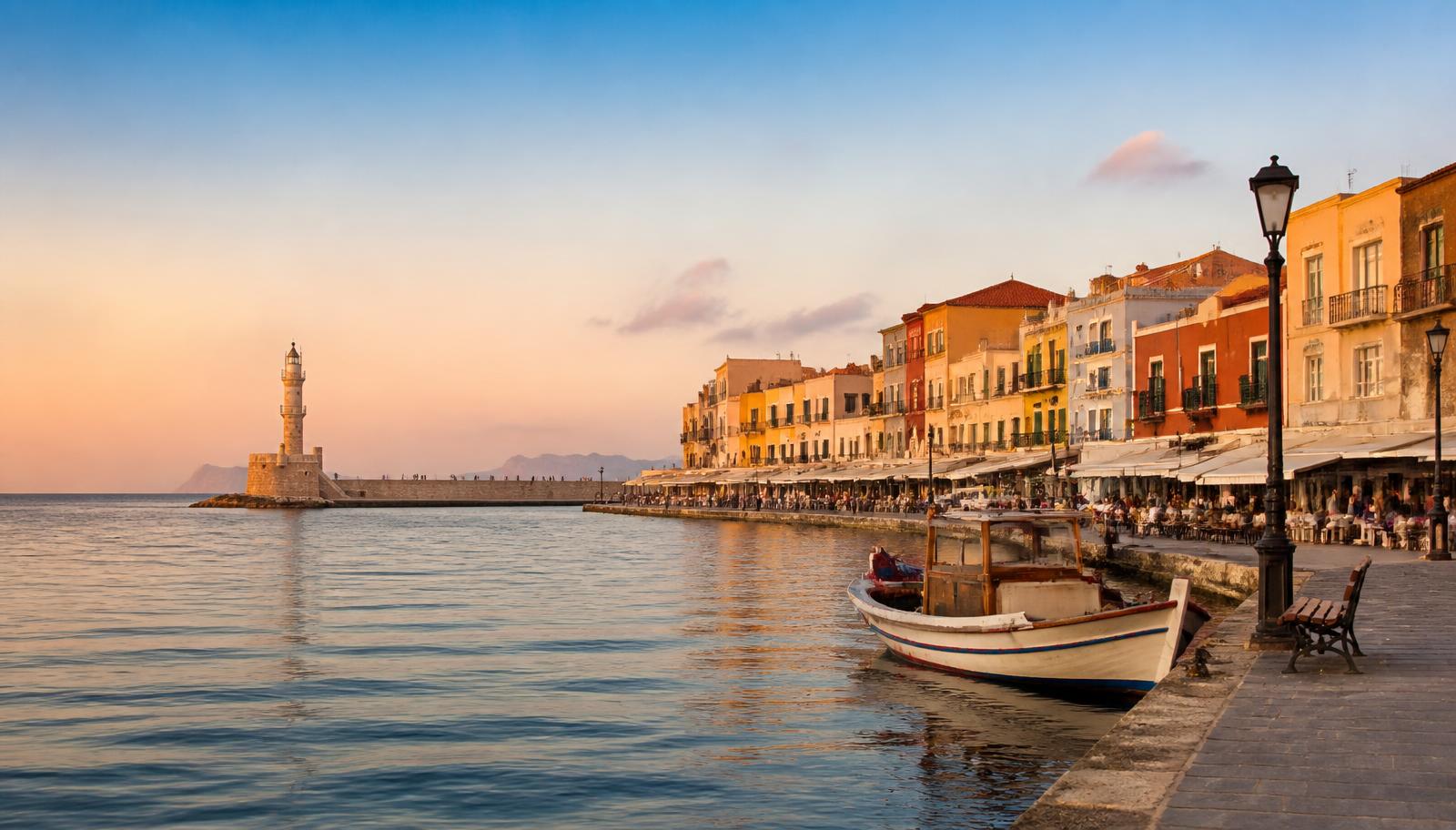
Crete is well worth visiting for its blend of history, nature and everyday life: you can start at a Minoan palace, have lunch in a mountain village and end the day by the sea. Allow 7 to 10 days for a first visit, without expecting to see the whole island. If you have three days, choose one city and its surrounding countryside.
The experience changes considerably with the seasons. Summer is all about the beaches, spring and autumn lend themselves to exploring, while in winter the cities, museums and villages offer plenty of reasons to visit. Above all, avoid turning your holiday into hours of driving every day.
Why go
Crete is the largest Greek island, covering around 8,300 square kilometres. It stretches between the Sea of Crete and the Libyan Sea and is divided into the regional units of Chania, Rethymno, Heraklion and Lasithi. The northern corridor has the largest cities and most of the infrastructure. The south has smaller settlements, steep slopes and beaches that often take more effort to reach. This varied terrain explains why two places that look close on a map can be a long drive apart.
The White Mountains, Psiloritis and Dikti shape the landscape and climate. Between them lie plateaux, olive groves, vineyards and gorges that lead down to the sea. The high peaks retain snow in winter, while coastal areas enjoy milder conditions. There is therefore no single weather pattern across Crete: a sunny day in Heraklion does not guarantee safe hiking on Psiloritis. This variety makes all sorts of excursions possible, provided you choose activities suited to the conditions.
Crete's history extends well beyond Knossos. The Minoan civilisation left behind palaces, settlements and artefacts that shed light on trade and social organisation in the Bronze Age. The Hellenistic and Roman eras followed, along with Byzantine periods, Arab rule, Venetian rule and Ottoman administration. Union with Greece completed a long historical journey. Today, different layers of this history coexist in harbours, city walls, monasteries and neighbourhoods. For more background, read about what Crete is famous for and what shaped its identity.
Each area has its own character. Chania combines its old town with the countryside and coast of western Crete. Rethymno is ideal for exploring on foot, with easy onward trips to Arkadi, Anogeia and the south. Heraklion is a major urban centre, ideal for archaeology and winery visits. In Lasithi, distances grow as you head towards Sitia, Zakros and smaller settlements. Your choice of area will shape your trip more than a long list of sights.
The island's contemporary life is just as important. Markets, universities, workshops, farming and livestock rearing keep it active beyond the tourist season. In the villages, you will find traditional cafés and small family businesses, though not everywhere and not always with regular opening hours. Music, the lyra, mantinades verse and Cretan cuisine remain living parts of local culture, rather than simply attractions for visitors.
The best reason to return is that you need not repeat the same trip. You can devote one visit to the western beaches, a second to the Minoan sites and a third to villages and walking. Families will find beaches with facilities, couples can enjoy evening strolls in the towns, and active travellers have an extensive network of trails to explore. The secret is to limit your travelling and leave time for unplanned stops.
Getting there
The main airports are in Heraklion and Chania, while Sitia also has an airport. As a guide, Athens and Heraklion are around 320 km apart as the crow flies, with a flight time of approximately 50 to 60 minutes. Thessaloniki and Heraklion are around 620 km apart, with a flight time of approximately 70 to 80 minutes. Allow extra time for getting to the airport and waiting there. Find out how to compare flights from Athens to Heraklion.
Ferries run from Piraeus to Heraklion and Souda, usually taking around 8 to 10 hours, depending on the vessel. If driving from Thessaloniki, allow around 510 km and 5.5 to 6.5 hours to reach Piraeus, in addition to the ferry crossing and waiting time. Journey times depend on traffic, stops and the weather.
KTEL intercity buses connect the main cities and many smaller settlements, with more limited services in remote areas and outside summer. For daily excursions into the countryside, hiring a car in Crete gives you flexibility. There is no road link between the island and mainland Greece, and no railway.
What to see
Knossos and Heraklion Archaeological Museum
Visit both the archaeological site of Knossos and Heraklion Archaeological Museum to put the buildings and finds into context. At Knossos, ancient remains stand alongside more recent reconstructions. A guided tour helps you distinguish between them and understand Minoan society.
Chania old town
Walk along the Venetian harbour, through the narrow streets of Splantzia and around the Venetian shipyards. Continue towards Halepa and Tabakaria for a different perspective on the city. Early mornings are ideal for a quiet stroll, before the waterfront gets busy.
Rethymno and Arkadi Monastery
The Fortezza, the Rimondi Fountain and the narrow streets of the old town are key stops in Rethymno. Arkadi Monastery, inland, is associated with Cretan resistance to Ottoman rule. Treat it as both a historic site and an active place of worship.
Spinalonga and eastern Crete
Spinalonga combines Venetian fortifications with the more recent history of its leper colony. Access is by small boat when services are running and the weather allows. Further east, Sitia, the palm forest of Vai and the palace of Zakros each merit a separate day.
Elafonisi, Balos and the southern coast
Elafonisi and Balos are fragile natural landscapes, not just photo stops. Do not remove sand or plants, and follow the conservation signs. For alternative bases from which to explore the south, consider Paleochora, Plakias or Ierapetra, depending on the area you plan to visit.
Activities
Walking is one of the best ways to get to know Crete. Samaria Gorge requires a good level of fitness, suitable footwear and a plan for your return journey from Agia Roumeli. It opens seasonally and may close because of the weather or fire risk. Smaller gorges are not automatically easy or safe: check access, elevation changes and weather forecasts.
Sea kayaking, diving and organised boat trips are available along different stretches of coast, depending on the wind. Inland, winery visits, cookery classes and cycling with suitable support are all worthwhile. Crete has no developed ski resort. Winter mountaineering and ski touring are for experienced, properly equipped visitors who know the terrain.
When to visit
Spring
The countryside turns green and temperatures are well suited to visiting archaeological sites and villages, and walking at lower elevations. Snow may linger in the high mountains. Rain affects the gorges, while the sea is often too cool for a long swim.
Summer
This is when the widest range of tourist services is available and the popular beaches are at their busiest. Visit early in the morning, protect yourself from the sun and book ahead. Winds can make a stretch of coast unsuitable for swimming, even under clear skies.
Autumn
In early autumn, the sea often stays warm and getting around becomes easier. Later in the season, rain becomes more likely and seasonal services are reduced. It is a good time for food experiences, winery visits and routes through olive groves.
Winter
Choose a city as your base and keep your plans for exploring inland flexible. Museums, restaurants and cafés offer plenty to enjoy during your trip. If you are looking to relax, consider accommodation with an indoor pool in Crete, checking that the pool is open and heated, and confirming the access conditions.
3-day itinerary
For a realistic three-day trip, focus on Heraklion and central Crete. The itinerary below does not try to cover the whole island.
Day 1
Start at the Archaeological Museum, then continue to the Morosini Fountain, the Loggia and the Venetian harbour. Allow time for a meal in the centre and an afternoon stroll. You can easily spend the first day without a car.
Day 2
Visit Knossos in the morning, then head to Archanes for a stroll and lunch. Only add a winery visit by prior arrangement and with a designated driver who will not be drinking. To plan the trip, consult the guide to car hire in Heraklion.
Day 3
Head towards Phaistos and, if conditions are good, continue to Matala. In winter or severe weather, opt for a shorter route and more time in Heraklion. Do not plan a long excursion before a ferry or flight departure.
What to eat
Start with dakos, seasonal greens, olives and local olive oil. Try kaltsounia pastries, graviera and mizithra cheeses, and chochlioi boubouristoi, a traditional fried snail dish. Antikristo, meat roasted around an open fire, is rooted in the island's livestock-farming tradition, while gamopilafo, a wedding rice dish, is particularly common in western Crete. Sfakian pie with honey is a typical choice in Sfakia.
On the coast, look for the day's catch, asking for the price per kilo and the final weight before ordering. Inland, choose places serving what has been cooked that day rather than those with dozens of dishes on the menu. Pair your meal with a Cretan wine, such as Vidiano or Liatiko, and bear in mind that tsikoudia is a strong spirit. As a rough guide, a meal at a taverna costs €18-35 per person, with considerable variation for fish and bottled wine.
Where to stay
Chania is a good choice for a trip to western Crete, Rethymno for a mix of city sightseeing and excursions around central Crete, and Heraklion for archaeology and transport connections. Compare the areas to stay in Chania, Heraklion's centre and coastal bases and accommodation options in Rethymno in detail.
The prices below are broad, indicative ranges per night for two people, not confirmed offers. The season, room type, cancellation terms and additional charges affect the final cost. For a winter trip, check directly with each property that it will be open.
1. Domus Blanc Boutique Hotel
Located in Halepa, Chania, in a neighbourhood of particular architectural interest. It suits those who prefer a base outside the heart of the old town.
- Average cost: €140-320 per night (indicative)
2. The Tanneries Hotel & Spa - a Member of Design Hotels
Housed in former tanneries in Chania's Tabakaria district. Its location suits travellers interested in the industrial history of this waterfront neighbourhood.
- Average cost: €220-550 per night (indicative)
3. Alcanea Boutique Hotel
Located on Chania's old harbour, within the historic centre. It is a good option for exploring on foot, though you should bear in mind the restrictions on car access.
- Average cost: €100-250 per night (indicative)
4. Monte Vardia
Located in the Akrotiri area, outside central Chania. Consider it if you are planning trips by car and do not need to be based in the old town.
- Average cost: €80-180 per night (indicative)
5. Oniros Residences
Located in Souda, near the port. Its position is convenient for ferry arrivals and trips beyond Chania's historic centre.
- Average cost: €90-210 per night (indicative)
6. GDM Megaron, Historical Monument Hotel
Housed in a historic building in Heraklion, near the port. It is an option for combining city sightseeing with visits to the main attractions.
- Average cost: €130-300 per night (indicative)
7. Olive Green Hotel
Located in central Heraklion, near the Archaeological Museum. It is convenient for a trip focused on cultural sights and exploring on foot.
- Average cost: €90-200 per night (indicative)
8. Castello City Hotel
Located near the Chania Gate in Heraklion. It offers a base on the edge of the historic centre, useful for combining walks with trips by car.
- Average cost: €65-150 per night (indicative)
9. Ibis Styles Heraklion Central
Located in central Heraklion. Its position is convenient for short visits focused on museums, shopping and evenings out.
- Average cost: €90-210 per night (indicative)
10. DOM Boutique Hotel
A central accommodation option in Heraklion. It suits those who want to do much of their daily sightseeing without a car.
- Average cost: €90-220 per night (indicative)
11. Menta City Boutique Hotel
Located in Rethymno, outside the heart of the old town. Factor in the distance and the slopes along the route if you plan to get around entirely on foot each day.
- Average cost: €75-180 per night (indicative)
12. Allegro Suites
Include Allegro Suites when comparing options for a suite stay. Check the exact layout and booking terms for your chosen room before completing your reservation.
- Average cost: €90-230 per night (indicative)
Practical tips
- Distances: Chania to Rethymno is about 60 km, and Rethymno to Heraklion about 80 km. Routes in the south and through the mountains take longer per kilometre.
- Driving: Watch out for bends, animals and narrow roads. Avoid unfamiliar dirt roads and check the exclusions in your hire car insurance.
- Budget: Budget separately for accommodation, transport, fuel, parking and admission to attractions. Long day trips can significantly increase costs.
- Weather: Check local forecasts, warnings and any access restrictions. Avoid gorges when rain is forecast anywhere in the wider catchment area.
- Planning: Confirm museum opening hours, the last KTEL buses back and seasonal timetables. In an emergency, call 112.
Frequently asked questions
How many days do you need in Crete?
In 7 to 10 days, you can get to know one or two neighbouring areas properly. For a more extensive tour, allow around two weeks, while still being selective and avoiding a change of accommodation every day.
When is the best time to visit?
Spring and autumn are ideal for sightseeing, while summer is best for swimming and water sports. Winter suits a city-based stay with flexible day trips.
Do you really need a car?
Not if you are staying in a city and travelling along the main northern route. However, a car is very useful for visiting villages, secluded beaches and several places in one day.
Chania or Heraklion for a first visit?
Choose Chania for western Crete and the atmosphere of the old town. Opt for Heraklion for Minoan archaeology, wineries and exploring central Crete.
Is Crete suitable for families?
Yes, provided you limit long drives and choose beaches to suit the weather. Shallow water does not automatically mean safety, especially when it is windy or there are waves.
Can I walk through the Samaria Gorge at any time?
No. Access is seasonal and depends on decisions made by the relevant authorities. Check official updates, weather conditions and return transport connections before setting off.
Σύγκριση
Τα καταλύματα με μια ματιά
Τύπος καταλύματος
Τα φίλτρα σας αποθηκεύονται αυτόματα για αυτόν τον προορισμό.
| Κατάλυμα | Περιοχή | Τύπος | Τιμή από | Βαθμολογία | Λίστα |
|---|---|---|---|---|---|
| Domus Blanc Boutique Hotel | Where to stay | Boutique | — | — | |
| The Tanneries Hotel & Spa - a Member of Design Hotels | Where to stay | Ξενοδοχείο & Spa | — | — | |
| Alcanea Boutique Hotel | Where to stay | Boutique | — | — | |
| Monte Vardia | Where to stay | Ξενοδοχείο | — | — | |
| Oniros Residences | Where to stay | Ξενοδοχείο | — | — | |
| GDM Megaron, Historical Monument Hotel | Where to stay | Ξενοδοχείο | — | — | |
| Olive Green Hotel | Where to stay | Ξενοδοχείο | — | — | |
| Castello City Hotel | Where to stay | Ξενοδοχείο | — | — | |
| Ibis Styles Heraklion Central | Where to stay | Ξενοδοχείο | — | — | |
| DOM Boutique Hotel | Where to stay | Boutique | — | — | |
| Menta City Boutique Hotel | Where to stay | Boutique | — | — | |
| Allegro Suites | Where to stay | Σουίτες | — | — |
Οι τιμές είναι ενδεικτικές, όπως αναφέρονται στο άρθρο, και αλλάζουν ανά εποχή. Η λίστα σας αποθηκεύεται τοπικά στη συσκευή σας. Οι σύνδεσμοι είναι affiliate links, χωρίς επιπλέον χρέωση για εσάς.

Η συντακτική ομάδα
Travelo Team
Συντακτική ομάδα του Travelo.gr
Πολυταξιδεμένη συντακτική ομάδα με πάνω από 15 χρόνια στον ταξιδιωτικό δημοσιογραφικό χώρο και περισσότερους από 45 προορισμούς σε Ελλάδα και Ευρώπη. Έχουμε διανυκτερεύσει σε εκατοντάδες καταλύματα — από μικρά οικογενειακά ξενοδοχεία και παραδοσιακούς ξενώνες μέχρι resorts 5 αστέρων — και δοκιμάζουμε προσωπικά περιοχές, μεταφορές και υπηρεσίες πριν προτείνει κάτι.
- 45+ προορισμοί επί τόπου
- 500+ καταλύματα σε αξιολόγηση
- 15 χρόνια ταξιδιωτικής αρθρογραφίας
Πώς δουλεύουμε: κάθε οδηγός βασίζεται σε επιτόπια εμπειρία, διασταύρωση αξιολογήσεων επισκεπτών και έλεγχο διαθεσιμότητας/τοποθεσίας κάθε καταλύματος. Ορισμένοι σύνδεσμοι είναι συνεργατικοί (affiliate) — αν κάνετε κράτηση μέσω αυτών, στηρίζετε το Travelo.gr χωρίς καμία επιπλέον χρέωση για εσάς, και δεν επηρεάζουν τις προτάσεις μας. Τελευταία ενημέρωση οδηγού: 11 Οκτωβρίου 2026.
Πού να μείνω — Επίσης
- Where to Stay at Lake Doxa , Accommodation Guide for Trikala Korinthias
- Where to Stay in Ankara: An Accommodation Guide to the Heart of the Turkish Capital
- Where to stay in Berlin: An accommodation guide to the city's best areas
- Where to stay in Bucharest: An accommodation guide for the city of contrasts