Lake Ohrid: Travel guide, what to see, what to do and where to stay
Byzantine churches, clear waters and mountains make this a destination that deserves far more than a brief stop. Plan your trip to Lake Ohrid with itineraries, accommodation recommendations and practical tips for every season.
Από Travelo Team
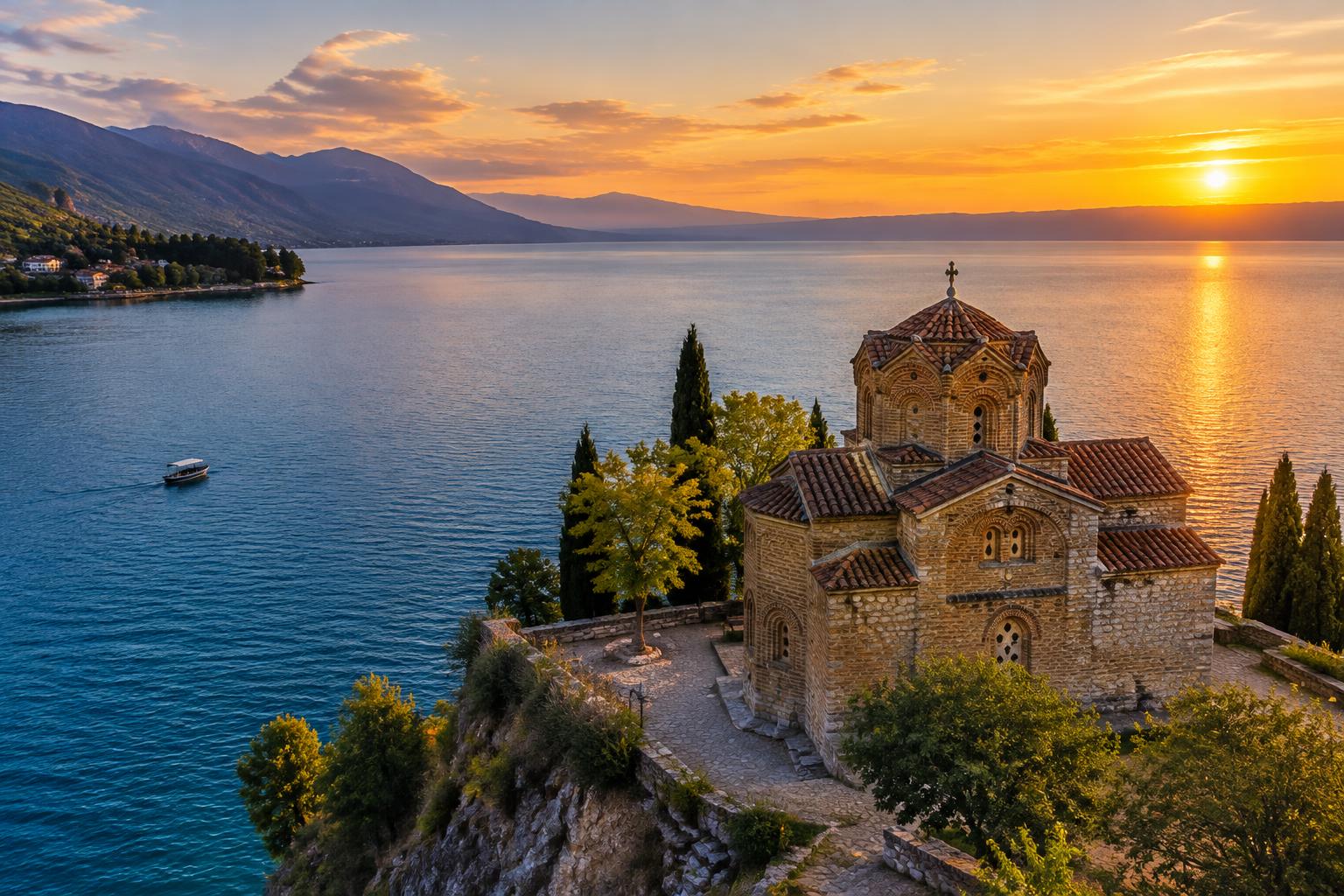
Lake Ohrid is worth the journey because it combines a historic town full of monuments with a distinctive natural landscape: deep waters, mountain slopes and small lakeside settlements. You can spend the morning visiting Byzantine churches, the afternoon walking beside the water and the following day exploring trails or the springs of Saint Naum.
Three full days are enough for the town of Ohrid and the southern shore, without constantly moving from place to place. With four or five days, you can more comfortably fit in Struga, Galičica National Park and, provided you have the right documents, the Albanian side. In summer, allow extra time for swimming; in winter, keep your itinerary more relaxed.
Why go
The lake lies on the border between North Macedonia and Albania, at an altitude of around 693 metres. Most of it belongs to North Macedonia, where Ohrid and Struga are located, while Pogradec is the main town on the southern, Albanian side. It covers around 358 square kilometres and reaches a maximum depth of almost 289 metres. From the waterfront, it feels more like a small sea than a typical Balkan lake, with the mountains on the opposite shore changing colour throughout the day.
It is considered one of Europe's oldest lakes. Its long geological history and relative isolation have allowed many endemic species to evolve, from small invertebrates to fish. It is fed by rivers and springs, and some of its water comes from neighbouring Lake Prespa through underground channels in the limestone. At Struga, its waters flow out to form the Black Drin River. These distinctive features explain why the lake needs care, not just admiration.
The area's natural and cultural heritage is protected by UNESCO. This recognition is not simply about a beautiful view or individual buildings, but about the coexistence of a rare ecosystem and a historic landscape shaped over many centuries. The pressure from construction, pollution and growing visitor numbers is real. For visitors, this means making simple, meaningful choices: leave no litter on the shore, avoid unnecessary driving and respect the rules in protected areas.
Modern Ohrid grew on the site of ancient Lychnidos and was an important religious and intellectual centre. Saint Clement and Saint Naum are associated with the spread of Slavic literature and Christian learning in the region. Later, the Archbishopric of Ohrid retained considerable spiritual authority. The town's monuments span different periods, from antiquity and the Byzantine era to Ottoman times, yet Ohrid has not become merely an open-air museum.
Its character is best appreciated over short distances. From the pedestrian shopping street, you move into narrow lanes lined with old houses, climb towards the fortress and descend to the lake again. The climbs are noticeable, but courtyards, churches and viewpoints offer natural breaks along the way. Beyond the historic centre, the waterfront becomes flatter and has a more everyday feel, ideal for a stroll with no particular destination in mind.
This is not just a destination for keen sightseers. It suits couples, families and travellers who want to combine culture with nature, provided they choose their base to suit the season. Summer brings a lively holiday atmosphere, while outside peak season you gain peace and quiet but lose some seasonal services. For another perspective on the area, see the detailed guide to Lake Ohrid.
How to get there
Ohrid Airport is around 10 kilometres outside the town. Do not assume there will be a direct flight from Athens or Thessaloniki: schedules change, and a connection is often needed. The total journey time for a connecting flight can be around 4 to 8 hours or more, depending on the layover.
Flying into Skopje is a practical alternative. The direct flight from Athens to Skopje, when available, takes around 1 hour and 30 minutes. From there, allow around 3 to 3.5 hours by road to Ohrid, depending on traffic and roadworks. If you are combining the two destinations, consult the guide to areas to stay in Skopje.
From Thessaloniki, driving usually makes more sense, with a journey of around 4 to 5 hours via Niki and Bitola, assuming no lengthy delays at the border. From Athens, allow around 8 to 10 hours, including stops and border checks. If you are hiring a car, you will need prior approval to take it across the border.
From Ohrid Airport, a taxi or pre-booked transfer usually reaches the centre in 15 to 25 minutes. Agree on the fare before getting in, and check whether a bus service runs for your particular flight. Flying into Tirana may also be an option, though it involves a longer onward drive and a border crossing; see the suggestions for where to stay in Tirana if you need a stopover.
What to see
The old town and St Sophia
Start at the waterfront and head towards the old town. St Sophia is one of Ohrid's most important monuments, particularly for its medieval frescoes. Combine your visit with a stroll through the surrounding cobbled lanes, taking in the façades of traditional houses rather than sticking to the main shopping street.
St John at Kaneo
The little church overlooking the water is the lake's most recognisable sight. The walk there, through the old town and the lakeside neighbourhood, is also worthwhile. Visit early for a quieter experience or later for the light. The steps and uneven paths call for sturdy shoes.
Plaošnik and Samuel's Fortress
At Plaošnik, you can visit the Church of Saints Clement and Panteleimon and the surrounding archaeological site. Higher up, Samuel's Fortress offers sweeping views of the city and the lake. In summer, it is best to make the climb in the morning, as the heat and steep slopes can be tiring.
The ancient theatre and the Church of the Virgin Peribleptos
The ancient theatre fits easily into a circular walk around the upper town. The Church of the Virgin Peribleptos stands out for its frescoes, important examples of Palaiologan painting. If you are interested in Byzantine art, allow plenty of time rather than treating it as a quick photo stop.
The Bay of Bones
The museum at the Bay of Bones, near Gradište, features a reconstruction of a prehistoric settlement built on stilts. It makes an interesting stop on the eastern shore, particularly with children. Bear in mind that this is a museum reconstruction based on archaeological finds, not prehistoric houses that have survived intact.
St Naum and the springs
The Monastery of St Naum stands near the Albanian border, around 30 kilometres south of the city. Combine a visit to the church and gardens with the nearby springs. When boat trips are running, a short ride offers a different perspective on the crystal-clear water and surrounding vegetation.
Activities
The simplest activity is walking: follow the lakeside for a flat route, or explore the old town for history and views. Organised boat trips run in summer, but their frequency, duration and departure points vary. Always confirm the return arrangements too, especially if you are heading to St Naum.
For swimming, look for beaches around Lagadin, Peštani, Gradište and Trpejca. Many are pebbly, so water shoes are useful. The lake gets deep and the weather can change; do not venture far out without knowing the conditions.
Galičica National Park offers hiking routes between Lakes Ohrid and Prespa. Choose a waymarked trail suited to your experience and check access, the weather and any restrictions. Do not assume that higher routes are accessible all year round. For shopping after your walk, see which local products and souvenirs are worth buying in Ohrid.
When to visit
Spring
A good time for historic sights, green lakeshores and walks on the lower mountain slopes. The weather remains changeable and the water is cold. Pack a waterproof jacket and check whether seasonal boat trips have started running.
Summer
This is the season for swimming, longer days and a wider choice of activities on the lake. It also brings more traffic, harder-to-find parking and higher prices. Book well in advance and visit popular sights early.
Autumn
The first few weeks often lend themselves to plenty of outdoor activities, though swimming weather is not guaranteed. Later in the season, walks and museums are a better fit. Beach facilities and services gradually wind down.
Winter
The city is quieter, with cold weather, possible fog and a chance of snow. Choose central accommodation and confirm that it has heating. Leave mountain routes out of your main itinerary and check winter opening hours at historic sights.
3-day itinerary
Day 1
Spend the day exploring the town: St Sophia, the old lanes, the ancient theatre and the Church of the Holy Mother of God Peribleptos. After lunch, continue to the fortress and Plaošnik if you still have the energy. Head down to Kaneo and finish with dinner near the waterfront.
Day 2
Follow the eastern shore to the Bay of Bones and St Naum. If you are driving, you can add a stop in Trpejca. In summer, allow time for a swim; in winter, set off earlier and make fewer stops so you can return before dark.
Day 3
Choose between a hike in Galičica, conditions permitting, and a gentler outing to Struga for a walk along the Black Drin. Finish with coffee and shopping in Ohrid. On a longer road trip, you could visit the Albanian side before continuing to the Albanian Riviera, which requires additional days for travel and overnight stays.
What to eat
Look out for tavče gravče, an oven-baked bean dish, ajvar made from peppers, shopska salad and grilled meats. Gjomleze is a distinctive local dish made with thin layers of dough, well worth trying wherever it is available. For a quick breakfast, there is burek and other savoury pastries.
Ohrid trout is associated with the local cuisine, but also raises significant conservation concerns. Ask where it comes from and whether it is legally sold, without taking every claim as a guarantee. Budget around €8-15 per person for a simple meal and around €18-30 for a more substantial dinner, depending on your choice of dishes and drinks.
Where to stay
The old town is convenient for visiting historic sights, but has steep streets and limited car access. The central waterfront area is more practical for level walks. Accommodation around Sveti Stefan and Lagadin is better suited to those with a car. Compare Ohrid's areas and hotels before deciding.
The ranges below are indicative nightly budgets for two people, not confirmed offers. Check the exact address and listing, along with heating, parking, access and cancellation terms.
1. Hotel & Spa Tino Sveti Stefan
Located in the Sveti Stefan area, outside central Ohrid. It suits those who prefer this side of the lake and plan to get around by car.
- Average cost: €70-140 per night (indicative)
2. Vila Bisera
Located in Lagadin, south of the town. Consider it if you would prefer a base for exploring the eastern shore rather than staying in the historic centre.
- Average cost: €70-160 per night (indicative)
3. Villa Sofija
An accommodation option in Ohrid's old town. The area is convenient for exploring cultural sights, but you should arrange access with luggage in advance.
- Average cost: €60-130 per night (indicative)
4. CHATEL - Boutique Suites
Include this property when comparing accommodation options in Ohrid. Check the exact accommodation category before comparing the price with a standard double room.
- Average cost: €60-140 per night (indicative)
5. Boutique Hotel Nika
Another option to consider for your trip to Ohrid. If you are staying outside summer, confirm which services will be available on your dates.
- Average cost: €50-120 per night (indicative)
6. Boutique Villa Arte
Located in Ohrid town and worth comparing with other central options. Check the actual walking routes to the places you plan to visit each day.
- Average cost: €50-110 per night (indicative)
7. AMMOTTI Hotel
Add it to your list of places to check for availability in Ohrid. Compare the specific room type and booking terms, not just the starting price.
- Average cost: €50-120 per night (indicative)
8. Mr.I Boutique Hotel & Bar
Located on the town's waterfront. If you are sensitive to noise, ask about the room's location and the bar's evening opening hours.
- Average cost: €60-140 per night (indicative)
9. Villa Jordan
An option within Ohrid town. Compare it with other properties based on your planned daily journeys, and confirm the practical arrival details.
- Average cost: €45-100 per night (indicative)
10. Villa Klia
Located in the Lagadin area, outside the town centre. It is an option for those planning to spend more time exploring further south along the lake.
- Average cost: €45-110 per night (indicative)
Practical tips
- Currency: North Macedonia uses the denar. Carry cash for small businesses, entrance fees and transport.
- Documents: check the current entry requirements and whether your travel document is accepted. If travelling by car, confirm your insurance cover and whether you need a Green Card.
- Mobile phones: roaming is not automatically covered by EU rules. Check your plan before switching on mobile data.
- Time: local time is one hour behind Greece.
- Getting around: the town is easy to explore on foot, apart from the hills. For villages and sights outside the centre, check return bus times or arrange a taxi in advance.
- Shopping: when buying Ohrid's famous pearls, ask for clear information about how and where they are made. The guide to what to buy in Ohrid will help you plan your shopping stops.
Frequently asked questions
How many days do you need at Lake Ohrid?
Three full days are enough to explore the town and Saint Naum. Add another day or two for hiking, beaches or a visit to the Albanian side.
When is the best time to visit?
Spring and autumn are ideal for walks and sightseeing. Summer is best for swimming, while winter suits those who prefer peace and quiet and a flexible itinerary.
Do you need a car?
Not for the town itself. However, a car is useful for visiting the lakeside villages and Galičica, particularly when seasonal transport services and excursions are limited.
Can you swim in the lake?
Yes, at suitable beaches and when conditions are favourable. Pay attention to the depth, water temperature and local guidance, especially with children.
Is it suitable for families?
Yes, provided you choose a suitable base. The flat lakefront is easy to navigate with a pushchair, while the cobbled streets and steps of the old town require more effort.
Can you also visit the Albanian side?
Yes, by road via a border crossing. Allow time for document checks and, if you have a hire car, make sure you have explicit permission and appropriate insurance cover.
Σύγκριση
Τα καταλύματα με μια ματιά
Τύπος καταλύματος
Τα φίλτρα σας αποθηκεύονται αυτόματα για αυτόν τον προορισμό.
| Κατάλυμα | Περιοχή | Τύπος | Τιμή από | Βαθμολογία | Λίστα |
|---|---|---|---|---|---|
| Hotel & Spa Tino Sveti Stefan | Where to stay | Ξενοδοχείο & Spa | — | — | |
| Vila Bisera | Where to stay | Ξενοδοχείο | — | — | |
| Villa Sofija | Where to stay | Βίλα | — | — | |
| CHATEL - Boutique Suites | Where to stay | Σουίτες | — | — | |
| Boutique Hotel Nika | Where to stay | Boutique | — | — | |
| Boutique Villa Arte | Where to stay | Βίλα | — | — | |
| AMMOTTI Hotel | Where to stay | Ξενοδοχείο | — | — | |
| Mr.I Boutique Hotel & Bar | Where to stay | Boutique | — | — | |
| Villa Jordan | Where to stay | Βίλα | — | — | |
| Villa Klia | Where to stay | Βίλα | — | — |
Οι τιμές είναι ενδεικτικές, όπως αναφέρονται στο άρθρο, και αλλάζουν ανά εποχή. Η λίστα σας αποθηκεύεται τοπικά στη συσκευή σας. Οι σύνδεσμοι είναι affiliate links, χωρίς επιπλέον χρέωση για εσάς.

Η συντακτική ομάδα
Travelo Team
Συντακτική ομάδα του Travelo.gr
Πολυταξιδεμένη συντακτική ομάδα με πάνω από 15 χρόνια στον ταξιδιωτικό δημοσιογραφικό χώρο και περισσότερους από 45 προορισμούς σε Ελλάδα και Ευρώπη. Έχουμε διανυκτερεύσει σε εκατοντάδες καταλύματα — από μικρά οικογενειακά ξενοδοχεία και παραδοσιακούς ξενώνες μέχρι resorts 5 αστέρων — και δοκιμάζουμε προσωπικά περιοχές, μεταφορές και υπηρεσίες πριν προτείνει κάτι.
- 45+ προορισμοί επί τόπου
- 500+ καταλύματα σε αξιολόγηση
- 15 χρόνια ταξιδιωτικής αρθρογραφίας
Πώς δουλεύουμε: κάθε οδηγός βασίζεται σε επιτόπια εμπειρία, διασταύρωση αξιολογήσεων επισκεπτών και έλεγχο διαθεσιμότητας/τοποθεσίας κάθε καταλύματος. Ορισμένοι σύνδεσμοι είναι συνεργατικοί (affiliate) — αν κάνετε κράτηση μέσω αυτών, στηρίζετε το Travelo.gr χωρίς καμία επιπλέον χρέωση για εσάς, και δεν επηρεάζουν τις προτάσεις μας. Τελευταία ενημέρωση οδηγού: 11 Οκτωβρίου 2026.
Πού να μείνω — Επίσης