Rome: Travel guide, what to see, what to do and where to stay
Ancient monuments, Baroque squares and neighbourhoods made for leisurely strolls: Rome easily fills a four-day trip. A practical guide to sights, getting around, food and accommodation at any time of year.
Από Travelo Team
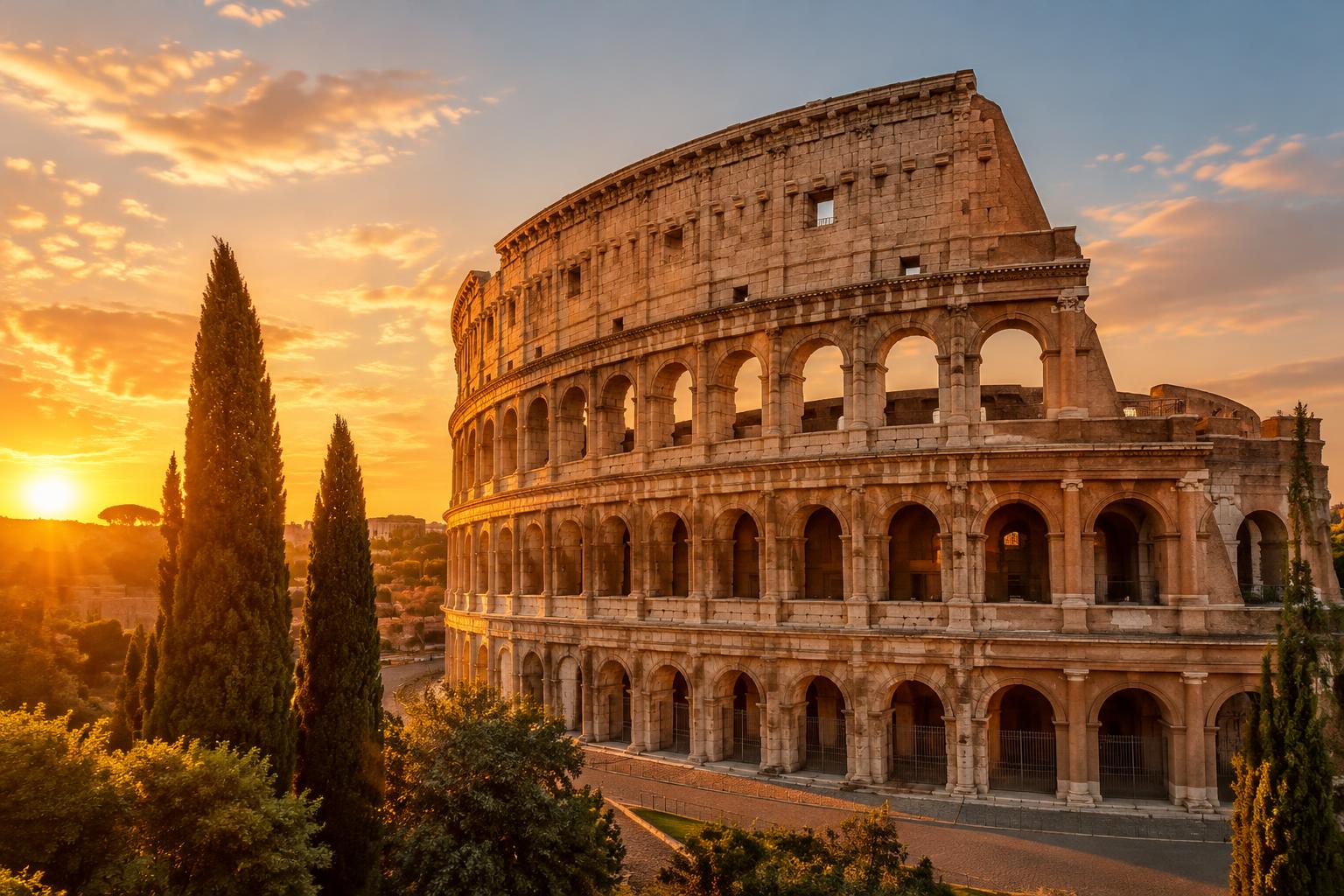
Rome is worth visiting for its rare blend of archaeological sites, major museums and everyday life within the same urban landscape. You can spend the morning at the Colosseum, the afternoon in a square featuring works by Bernini and the evening in a neighbourhood trattoria, without really leaving the area. But this is not a destination you can do justice to with a checklist of photo opportunities.
Allow four to five days for a first visit. Three full days are enough to see the essentials, provided you book ahead and plan a sensible itinerary. A week gives you time for lesser-known neighbourhoods and a trip beyond the centre. You can visit the city all year round, though its pace varies with the heat, rainfall and tourist crowds.
Why go
Italy's capital lies in Lazio, in the west-central part of the country, and spreads out around the River Tiber. The sea is a few dozen kilometres from the historic centre, while the hills make for uphill walks and unexpected views. The seven historic hills are associated with the ancient city, but modern Rome extends far beyond them. Your choice of neighbourhood to stay in therefore makes a real difference to how much time you spend getting around.
Its most distinctive feature is the continuity between historical periods. The Roman Forum, the Palatine Hill and the Colosseum reveal the public life and power structures of antiquity. Elsewhere, ancient buildings such as the Pantheon were adapted for Christian worship, while materials and architectural forms reappear in later buildings. History is not confined to display cases: it is there in the façades, bridges, churches and street layout.
Papal Rome added an equally powerful layer. The Renaissance and, above all, the Baroque transformed squares and churches into showcases of artistic and political power. Bernini and Borromini left works you can encounter on the same walk, without necessarily needing a museum ticket. Churches such as San Luigi dei Francesi house important paintings but remain active places of worship, with opening hours and restrictions that visitors need to respect.
Within the city also lies the Vatican, an independent state and the seat of the Roman Catholic Church. St Peter's Basilica and the Vatican Museums are separate visits, not a single stop. This distinction shows why Rome calls for choices: each major complex can easily take up several hours, particularly if you want to appreciate the art rather than take a quick look around.
The city's character changes noticeably from one neighbourhood to the next. The historic centre brings together monuments, shops and busy streets. Monti combines small shops with nightlife, Prati has a more regular street layout and shopping streets, while Trastevere retains narrow lanes and squares that fill up after sunset. Testaccio offers a different perspective on Rome's culinary traditions and working-class history.
The pleasure often lies between planned visits: having a coffee standing at the counter, browsing a food market or finding a courtyard just off a busy street. Rome is not always a quiet or easy city. There is heavy traffic, there are queues, and the pavements demand care. But if you limit the number of major sights you visit and leave time for walking, the city starts to feel like a coherent whole rather than a succession of attractions. It is equally suited to a trip centred on art and history or a break focused on food and neighbourhood life.
Getting there
A direct flight from Athens usually takes around two hours, while flights from Thessaloniki take about one hour and forty-five minutes to two hours. Availability and frequency vary by season. Check which airport your flight uses and read the information on the flight time from Athens to Rome before planning your first day.
Fiumicino is connected to Termini station by the Leonardo Express, with a journey time of around 32 minutes. Regional trains serve other stations, but not Termini, and buses are also available. The best option depends on your hotel's address; see the detailed guide to getting from Fiumicino to the city centre.
Ciampino is served by buses to Termini, as well as local bus connections to the metro or train. There is no railway station in the airport terminal. The guide to getting from Ciampino to Rome will help you compare the options. For taxis, use an official rank and confirm the fare before setting off.
If you are driving from Greece, taking the ferry from Patras or Igoumenitsa to an Italian port mainly makes sense as part of a longer trip. From Ancona or Bari, you can continue to Rome by road. In the centre, however, a car is more of a hindrance than a help because of parking and restricted traffic zones. Before booking a vehicle, consult the guide to car hire in Rome.
What to see
Colosseum, Roman Forum and Palatine Hill
These sites form the heart of ancient Rome, and you should allow at least half a day to explore them. Book through the official operator and check which areas your ticket includes, as access options vary. The Forum is much easier to understand with a guided tour or a reliable audio guide. Bring water, a hat and shoes suitable for uneven ground.
Pantheon and Piazza Navona
The Pantheon's vast dome and central opening make it worth a visit even if architecture is not a particular interest. A ticket is required for tourist visits, with certain exemptions. Continue to Piazza Navona, built on the footprint of the Stadium of Domitian, to admire the fountains and façades.
Vatican Museums and St Peter's Basilica
The museums house vast collections and the Sistine Chapel: book a timed entry slot and do not try to see everything. St Peter's Basilica has a separate entrance and security check. General admission is free, while there is a charge to climb the dome. Clothing must cover your shoulders and knees.
Trevi Fountain and Spanish Steps
These are easy to combine on a walk through the centre, but both attract large crowds. Go early in the morning for a more relaxed look, without expecting to have them to yourself. Follow the signs on site for access to the fountain, and remember that sitting on the Spanish Steps is not permitted.
Borghese Gallery and park
The collection includes outstanding sculptures by Bernini and important paintings by Caravaggio. Advance booking is essential, as visits are organised into timed slots. The surrounding park is a pleasant place to continue your visit, especially when you need a break from stone buildings and traffic. For more options, see Rome's top attractions.
Things to do
Walk from the Jewish Ghetto to Tiber Island and Trastevere, allowing time for short stops along the way. Head up Janiculum Hill for the views, or try the Orange Garden on the Aventine Hill. Distances often look more manageable on the map than they are in practice, especially in hot weather.
For a taste of local cuisine, a guided food tour in Testaccio or a pasta-making class offers a chance to explore it in more depth. Check the group size and what is included. Suitable stretches of the Appian Way are ideal for walking or cycling, but take care around traffic and on the ancient paving stones.
If you have an extra day, Ostia Antica is a good option for archaeology beyond the city centre. In Tivoli, Villa d’Este and Villa Adriana each require separate transport planning. If you are continuing north, these suggestions for areas to stay in Florence can help you plan the second leg of your trip by train.
When to visit
Spring
A pleasant season for long walks, parks and archaeological sites, though rain is possible and there are plenty of tourists. Wear layers and book popular museums well in advance. Mild temperatures do not mean low accommodation prices.
Summer
The heat can be intense, particularly at archaeological sites with little shade. Start early, set aside the middle of the day for a rest or indoor visits, and head out again in the late afternoon. Check that the specific room you are booking has air conditioning.
Autumn
The early months often still feel like summer, while rain becomes more frequent later on. It is a good time to explore neighbourhoods and local food, but not necessarily a quiet one. Have a museum visit in mind as a backup for days of particularly bad weather.
Winter
The days are shorter and the weather can be damp and chilly, but walks outdoors are still possible with suitable clothing. Make the most of daylight hours outside and save indoor visits for later, where opening hours allow.
3-day itinerary
Day 1
Start with the Colosseum, Roman Forum and Palatine Hill. After lunch, stop by the Capitoline Hill and continue towards the Jewish Ghetto. If you still have energy, cross the Tiber for dinner in Trastevere. Do not add a major museum to the same day's itinerary.
Day 2
Spend the morning at the Vatican Museums and plan a separate visit to St Peter's Basilica, allowing time for queues. Eat in Prati and walk towards Castel Sant’Angelo. If the queues have worn you out, stick to a stroll around the outside and cross the bridge towards the centre.
Day 3
Visit the Trevi Fountain early, continue to the Pantheon and Piazza Navona, and leave the afternoon for the Spanish Steps and Pincio Hill. If you would prefer to visit the Borghese Gallery, drop some stops rather than squeezing it in. You will find more ideas in the three-day Rome itinerary.
What to eat
Try carbonara with egg, pecorino and guanciale, cacio e pepe, amatriciana or gricia. These recipes are simple in terms of ingredients, but not technique. Cucina romana also includes saltimbocca, oxtail cooked as coda alla vaccinara, and offal dishes, which are particularly associated with Testaccio.
Artichokes alla romana and alla giudia are worth trying when in season. For a quick meal, choose pizza al taglio, usually sold by weight, or supplì with rice and melted cheese. For something sweet, there is cream-filled maritozzo and ice cream. Check the price list and any table service charges; coffee served at a table may cost more than coffee at the counter.
Where to stay
The historic centre is convenient for exploring on foot, usually at a higher price. Monti is handy for ancient Rome, Prati for the Vatican and the metro, and Trastevere for nights out, though be mindful of noise. Around Termini, choose your street carefully. Compare the best areas to stay in Rome based on your itinerary.
The price ranges below are a guide for a double room, not current offers. Check the property's exact address, taxes, cancellation terms and precisely what your booking includes.
1. BH Hotel
Compare this particular listing with other options based on its exact address and the room type available. Easy access to the places you plan to visit matters more than a small price difference.
- Average cost: €100-230 per night (indicative)
2. Massimi City Garden
Located in Balduina, away from the main sightseeing routes. It is better suited to those happy to travel each day than to those who want everything within walking distance.
- Average cost: €110-260 per night (indicative)
3. Radisson Collection Hotel, Roma Antica
A central option near Piazza Venezia, making it easy to link different walking routes. It caters to travellers with a higher accommodation budget.
- Average cost: €300-750 per night (indicative)
4. HOTEL DELLE CIVETTE
Located in Nomentano, away from the main concentration of tourist sights. Consider the route to the metro in relation to your daily plans.
- Average cost: €120-280 per night (indicative)
5. Hotel Maximus
Its location on Via Firenze is convenient for the Opera House and Via Nazionale area. It is a practical base for combining walking with public transport.
- Average cost: €140-330 per night (indicative)
6. TB Place Roma
The location near the Spanish Steps makes exploring the centre on foot easy. It mainly appeals to those who prioritise staying in the heart of the city's shopping and historic districts.
- Average cost: €280-650 per night (indicative)
7. CC Palace Hotel
Located on Via delle Quattro Fontane, near Via Nazionale. Its position lets you divide your outings between the centre and the Repubblica area.
- Average cost: €190-450 per night (indicative)
8. Tree Charme Augusto Boutique Hotel
The Campo Marzio area is convenient for walks around the historic centre. It is an option for travellers who want to return to their accommodation without lengthy detours.
- Average cost: €170-420 per night (indicative)
9. Relais Roma Vaticano - METRO station Ottaviano
The Ottaviano area is convenient for visits to the Vatican and travel on metro line A. It is a useful base if you do not want to rely entirely on walking.
- Average cost: €100-250 per night (indicative)
10. Umiltà 36 - Preferred Hotels & Resorts
A luxury option on Via dell’Umiltà, near the Trevi Fountain. Its central location suits a trip focused on comfort and short walks between stops.
- Average cost: €550-1,200 per night (indicative)
11. Hotel Barocco
Located on Piazza Barberini, beside a key landmark for finding your way around the centre. It combines a convenient starting point for walks with access to the metro.
- Average cost: €220-520 per night (indicative)
12. Horti 14 Borgo Trastevere Hotel
Located in the part of Trastevere near the Botanical Garden. It suits those who prefer this particular neighbourhood to being right beside a metro station.
- Average cost: €190-450 per night (indicative)
Practical tips
- Bookings: use official websites to book attractions and check opening hours shortly before your visit.
- Getting around: combine the metro with walking. Buses are useful but can be delayed by traffic.
- Tickets: follow the validation rules for your chosen payment method and keep proof of payment.
- Safety: keep an eye on your phone and wallet at stations, on crowded public transport and around popular landmarks.
- Water: the public nasoni drinking fountains provide safe drinking water unless signs indicate otherwise.
- Budget: allow around €50.90 per person per day for food, local transport and selected attractions, excluding accommodation and flights.
- Accessibility: cobblestones and steps make some routes difficult; check attraction entrances and access to your room in particular.
Frequently asked questions
How many days do you need in Rome?
Four to five days is a good length for a first visit. Three days is enough for a selection of the main sights, provided you book ahead and avoid too many extra journeys.
When is the best time to visit?
Spring and autumn usually make walking more comfortable. Winter is well suited to visiting art galleries and museums, while in summer you need to plan your days around the heat.
Do you need a car?
Not if you are staying within the city. Parking, traffic and access restrictions make a car less useful; only hire one if you need it for onward travel outside Rome.
Which tickets should I book first?
Prioritise the Colosseum, the Vatican Museums and the Borghese Gallery. Your preferred time slots may sell out, especially during periods of high demand.
Is Rome suitable for children?
Yes, with one main attraction a day, breaks and time in parks. Avoid visiting large museums back to back, and bear in mind that a pushchair can be difficult to manoeuvre on some cobbled streets.
Do you need cash?
Cards are widely used, but a small amount of cash is useful. Also check how the local tourist tax must be paid and whether it is included in the final price.
Σύγκριση
Τα καταλύματα με μια ματιά
Τύπος καταλύματος
Τα φίλτρα σας αποθηκεύονται αυτόματα για αυτόν τον προορισμό.
| Κατάλυμα | Περιοχή | Τύπος | Τιμή από | Βαθμολογία | Λίστα |
|---|---|---|---|---|---|
| BH Hotel | Where to stay | Ξενοδοχείο | — | — | |
| Massimi City Garden | Where to stay | Ξενοδοχείο | — | — | |
| Radisson Collection Hotel, Roma Antica | Where to stay | Ξενοδοχείο | — | — | |
| HOTEL DELLE CIVETTE | Where to stay | Ξενοδοχείο | — | — | |
| Hotel Maximus | Where to stay | Ξενοδοχείο | — | — | |
| TB Place Roma | Where to stay | Ξενοδοχείο | — | — | |
| CC Palace Hotel | Where to stay | Ξενοδοχείο | — | — | |
| Tree Charme Augusto Boutique Hotel | Where to stay | Boutique | — | — | |
| Relais Roma Vaticano - METRO station Ottaviano | Where to stay | Ξενοδοχείο | — | — | |
| Umiltà 36 - Preferred Hotels & Resorts | Where to stay | Resort | — | — | |
| Hotel Barocco | Where to stay | Ξενοδοχείο | — | — | |
| Horti 14 Borgo Trastevere Hotel | Where to stay | Ξενοδοχείο | — | — |
Οι τιμές είναι ενδεικτικές, όπως αναφέρονται στο άρθρο, και αλλάζουν ανά εποχή. Η λίστα σας αποθηκεύεται τοπικά στη συσκευή σας. Οι σύνδεσμοι είναι affiliate links, χωρίς επιπλέον χρέωση για εσάς.

Η συντακτική ομάδα
Travelo Team
Συντακτική ομάδα του Travelo.gr
Πολυταξιδεμένη συντακτική ομάδα με πάνω από 15 χρόνια στον ταξιδιωτικό δημοσιογραφικό χώρο και περισσότερους από 45 προορισμούς σε Ελλάδα και Ευρώπη. Έχουμε διανυκτερεύσει σε εκατοντάδες καταλύματα — από μικρά οικογενειακά ξενοδοχεία και παραδοσιακούς ξενώνες μέχρι resorts 5 αστέρων — και δοκιμάζουμε προσωπικά περιοχές, μεταφορές και υπηρεσίες πριν προτείνει κάτι.
- 45+ προορισμοί επί τόπου
- 500+ καταλύματα σε αξιολόγηση
- 15 χρόνια ταξιδιωτικής αρθρογραφίας
Πώς δουλεύουμε: κάθε οδηγός βασίζεται σε επιτόπια εμπειρία, διασταύρωση αξιολογήσεων επισκεπτών και έλεγχο διαθεσιμότητας/τοποθεσίας κάθε καταλύματος. Ορισμένοι σύνδεσμοι είναι συνεργατικοί (affiliate) — αν κάνετε κράτηση μέσω αυτών, στηρίζετε το Travelo.gr χωρίς καμία επιπλέον χρέωση για εσάς, και δεν επηρεάζουν τις προτάσεις μας. Τελευταία ενημέρωση οδηγού: 11 Οκτωβρίου 2026.
Πού να μείνω — Επίσης