Bucharest: A travel guide to sights, activities and accommodation
Bucharest combines historic neighbourhoods, impressive buildings, large parks and a vibrant food scene. A practical guide to planning a three- or four-day trip at any time of year.
Από Travelo Team
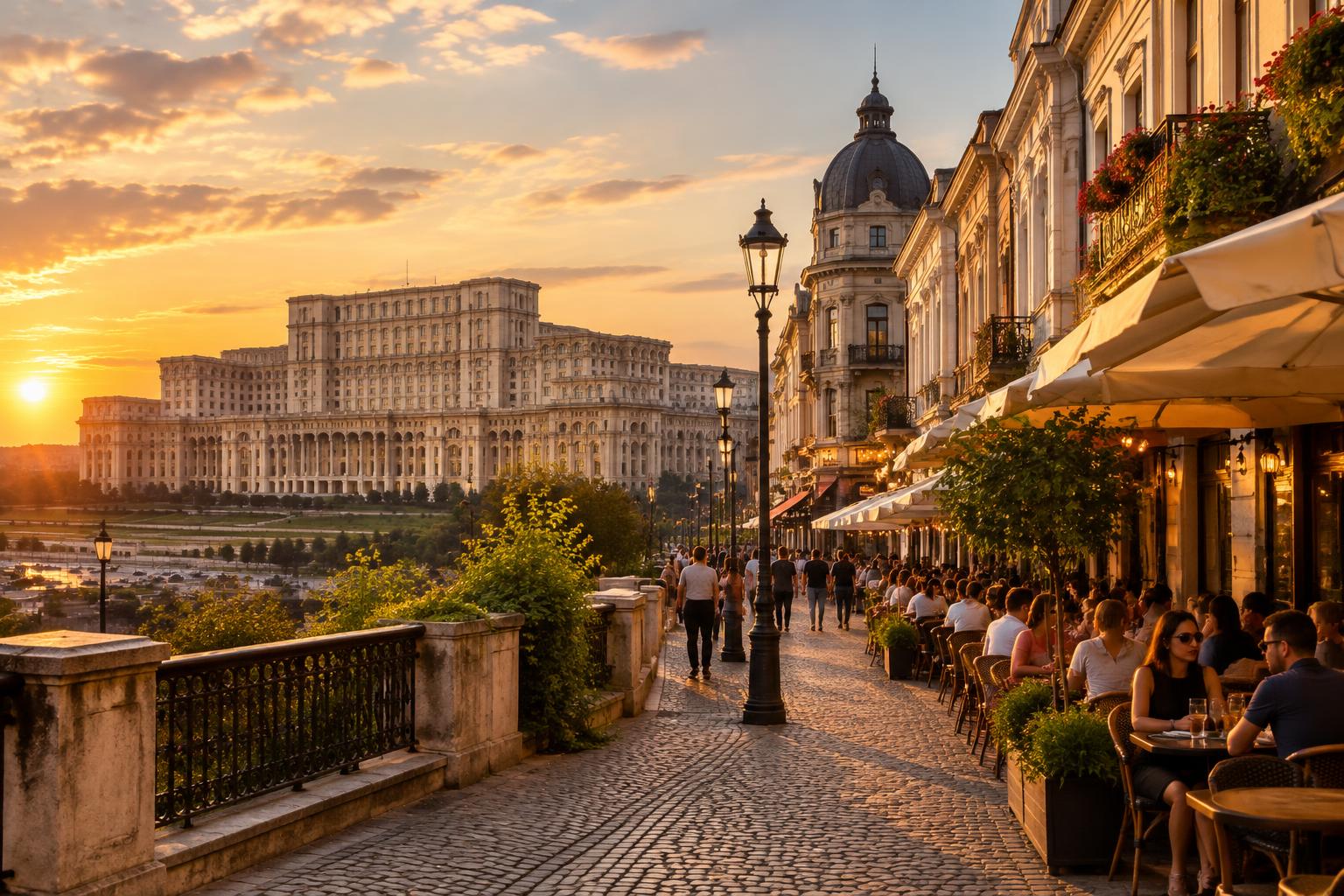
Bucharest is worth visiting for its contrasts: elegant mansions beside socialist-era blocks of flats, small churches tucked between busy streets, historic cafés and contemporary restaurants. The Romanian capital is ideal for exploring on foot, cultural visits and nights out, without the budget required for many Western European cities.
Allow three full days for a first visit, or four if you prefer a more leisurely pace, extra museums and a trip to Therme București. The historic centre is easy to explore on foot, but you will need transport to reach the northern parks and some attractions. You can visit all year round, adjusting your outdoor plans to suit the temperature.
Why visit
Bucharest lies in southern Romania, on the Wallachian Plain, with the Dâmbovița River running through it. It is not on the Danube, although the river and the Bulgarian border are relatively close. The flat terrain makes walking easy, but the distances between the centre, the northern lakes and the outer neighbourhoods are greater than they appear on the map. The Colentina River links a chain of lakes that does much to shape the character of the northern part of the city.
The city is mentioned in a document issued by Vlad III in the 15th century and developed into an important political and commercial centre of Wallachia. In the 19th century, it became the capital of the united Romanian state. Its growth during that period, together with French influences on architecture and social life, explains its nickname, ‘Little Paris’. This does not describe the whole city today, but the influence is still recognisable along certain boulevards and in particular façades and public buildings.
Calea Victoriei is the best street for discovering this history on foot. Palaces, hotels, museums and commercial buildings recall the capital's urban heyday. In the surrounding side streets, you will find houses from different periods, some carefully restored and others showing clear signs of neglect. The appeal is not confined to a uniformly restored old town. It lies precisely in the way these layers coexist.
The 20th century left deeper scars. Wars, earthquakes and the extensive demolitions of the Ceaușescu era transformed large areas. The Palace of Parliament and the monumental avenues around it reflect the scale of the regime's ambitions, while the small churches that survived among them are reminders of what stood here before. Revolution Square is associated with the fall of the communist regime and provides a meaningful starting point for understanding the city's more recent history.
Today, Bucharest is an administrative, university and business centre, not simply a city-break destination. You will encounter morning traffic, everyday markets, crowded public transport and neighbourhoods whose lives do not revolve around tourism. The Old Town is home to much of the nightlife, but the capital's contemporary side is also evident in the cafés of Dorobanți, the restaurants of Floreasca and the cultural venues around the centre.
The large parks are an integral part of everyday life. Residents use them for walks, exercise and meeting friends, giving the city a calmer rhythm away from the boulevards. This combination of history, green space and urban life suits travellers who want more than a list of monuments. If you plan to continue to Transylvania or other regions, the guide to where to stay in Romania will help you organise your next stops without unnecessary backtracking.
Getting there
From Athens, a direct flight to Henri Coandă Airport, also known as Otopeni, takes around 1 hour 35 to 50 minutes. From Thessaloniki, allow around 1 hour 15 to 30 minutes, when direct flights are available on your travel dates. Check the arrival airport, baggage allowances and flight times before comparing fares.
From Henri Coandă, the train reaches Gara de Nord station in around 20 to 30 minutes, and you can continue by metro or taxi. Bus route 100 connects the airport with central locations, running as far as Piața Unirii. The journey by road usually takes around 40 to 70 minutes, depending on traffic. For taxis, use the airport's official booking system or a recognised app.
By road, the usual route from Greece passes through Bulgaria and crosses the Ruse-Giurgiu Bridge, with no ferry required. From Thessaloniki, you will need essentially a full day including stops, while from Athens an overnight stop along the way is advisable. Check vignette requirements, bridge tolls and any roadworks.
For a stopover, consult the guides to areas to stay in Sofia and accommodation in Bulgaria. If you choose a longer route through southern Bulgaria, the guide to Plovdiv, its attractions and how to get there covers an interesting detour rather than the fastest route.
What to see
Palace of Parliament
This enormous building is the most distinctive legacy of the Ceaușescu era. A guided tour reveals monumental halls and an impressive use of marble. Book in advance, confirm which entrance to use for your tour and bring the required original identity document. Access to different areas may vary depending on parliamentary business.
Old Town and Stavropoleos Monastery
The Lipscani district brings together historic shopping streets, restaurants and bars. Visit Stavropoleos Monastery for its small church and courtyard, stop by the Cărturești Carusel bookshop and seek out the Macca-Vilacrosse Passage. A morning stroll is noticeably quieter than an evening visit.
Romanian Athenaeum and Revolution Square
The Romanian Athenaeum is a major concert hall and one of the city's most recognisable buildings. If a concert is on during your visit, it is well worth experiencing it as part of the audience. Nearby are Revolution Square and the former Royal Palace, which houses the National Museum of Art of Romania.
Cișmigiu Gardens
These historic gardens offer shade, benches and pleasant paths close to the centre. They are ideal for a break between museum visits and walks. Their appearance changes dramatically with the seasons, from spring greenery to bare trees and winter mist.
King Michael I Park and the Village Museum
The park, also known as Herăstrău, stretches around a large lake. Next to it, the open-air Dimitrie Gusti National Village Museum showcases traditional homes and buildings from different regions of Romania. Allow at least half a day to visit both, particularly when the weather is good for spending time outdoors.
Things to do
Walk along Calea Victoriei, stopping for coffee and taking short detours down the side streets. An architectural or modern history tour gives context to buildings you might otherwise walk past. For an evening out, compare the lively Old Town with the more scattered dining options in Floreasca.
Therme București, north of the city and close to the airport, is a large thermal pool and wellness complex. Allow half a day or a full day, including travel time. The zones have different access rules and age restrictions, so check which ticket suits your needs, especially if you are visiting with children.
For shopping, focus on bookshops, shops showcasing contemporary Romanian design and carefully chosen local products. For more short-break inspiration, see the guide to a trip to Bucharest, including sights and travel planning.
When to visit
Spring: A good time for parks and long walks, especially once temperatures settle. Rain and cool evenings call for a lightweight waterproof jacket and layers.
Summer: The days are long, but the heat can be intense. Save outdoor sights for the morning or late afternoon and museums for the hottest hours.
Autumn: The early months are good for walking, and the parks take on beautiful colours. Later on, the weather becomes damper and cloudier, so have an alternative plan for indoor activities.
Winter: It can be distinctly cold, with frost and snow possible, although a snowy scene is not guaranteed. Museums, concerts and cafés are best combined with short walks outdoors.
3-day itinerary
Day 1
Start in the Old Town with visits to Stavropoleos Church and Cărturești Carusel. Continue through the Macca-Vilacrosse Passage and head up Calea Victoriei towards Revolution Square and the Romanian Athenaeum. Round off the day with a Romanian dinner, without squeezing in another major museum.
Day 2
Plan a guided tour of the Palace of Parliament, then walk towards the Unirii area. After lunch, choose between the National Museum of Art and a leisurely stroll through Cișmigiu Gardens. In the evening, look for a concert or a restaurant away from the noisiest streets.
Day 3
Spend the morning at the Village Museum and King Michael I Park, stopping by the Arch of Triumph along the way. Stay in the north of the city for a meal afterwards. If you would prefer to visit Therme, set aside most of the day for it rather than trying to fit everything in.
What to eat
Start with sarmale, cabbage rolls filled with meat and rice, often served with smântână, the local soured cream. Mămăligă is similar to polenta and accompanies meat, cheese or eggs. Mici are small grilled minced-meat sausages, usually served with mustard, while ciorbe are sour soups with many variations.
For dessert, try papanași, doughnuts made with fresh cheese and served with soured cream and jam. For a quick breakfast, there are covrigi, ring-shaped breads sold in bakeries. Romanian wines are worth exploring, particularly varieties such as Fetească Neagră and Fetească Albă.
A simple meal can cost around €10.18 per person, while a more substantial dinner may cost around €22.40, depending on the drinks and restaurant. If you avoid animal products, ask about stock, dairy and lard rather than relying solely on the name of the dish.
Where to stay
For a first visit, choose Universitate, Calea Victoriei or the edges of the Old Town. If staying in the bar district, pay particular attention to reviews mentioning noise. Floreasca suits those spending time in the north, while areas further out involve more travel time. See also the detailed guide to where to stay in Bucharest. The price ranges below are a guide for two people sharing a room, not live offers.
1. Ecletico Villa
An option for those who would prefer to stay in a villa rather than a large hotel. Check the specific room type and consider how the location fits your daily plans.
- Average cost: €65-125 per night (indicative)
2. Sir Fundeni Hotel
Located in Fundeni, outside the main tourist area. Best suited to those with a specific reason to stay in the north-east of the city.
- Average cost: €40-75 per night (indicative)
3. La Boheme Boutique Casa Soare
A boutique option in the city centre, close to the Old Town. Worth considering if exploring on foot is your priority.
- Average cost: €85-160 per night (indicative)
4. The Marmorosch Bucharest, Autograph Collection
Housed in the historic Marmorosch Blank bank building in the city centre. Suits travellers looking for a luxurious stay in an architecturally interesting setting.
- Average cost: €170-320 per night (indicative)
5. Vilacrosse Boutique Inn
A central boutique option near the Macca-Vilacrosse Passage. The location is particularly convenient for exploring the Old Town and Calea Victoriei on foot.
- Average cost: €80-150 per night (indicative)
6. Courtyard by Marriott Bucharest Floreasca
Located in the northern business district, close to Floreasca. A practical choice for business commitments in the area, though you will need to travel to the historic sights.
- Average cost: €90-175 per night (indicative)
7. Athina Suites Hotel
Offers suite accommodation in the wider city centre. Consider it for a longer stay, checking the layout of your chosen suite category.
- Average cost: €90-165 per night (indicative)
8. Brater Luxury
Located near Lake Tei, away from the Old Town. An option for those who prefer this part of the city and do not mind travelling each day.
- Average cost: €65-120 per night (indicative)
9. Hilton Garden Inn Bucharest Old Town
Located in the Old Town, close to restaurants and historic sights. Particularly convenient for a first visit focused on exploring on foot.
- Average cost: €100-190 per night (indicative)
10. Bucur Accommodation
A central option for a convenient city stay. Compare room categories based on space, the final price and cancellation terms.
- Average cost: €60-115 per night (indicative)
11. Le Blanc ApartHotel
An aparthotel option on the western side of the city, in Grozăvești. A good fit if you have commitments in the area or prefer an apartment.
- Average cost: €65-125 per night (indicative)
12. The Mansion Boutique Hotel
Housed in a historic Old Town building, with individually themed rooms. Suits those who prefer distinctive decor and a central base.
- Average cost: €100-190 per night (indicative)
Practical tips
- Currency: The currency is the Romanian leu, RON. Cards are widely accepted, but keep some cash handy. When paying, choose to be charged in the local currency.
- Getting around: The metro is useful for longer distances. The metro and surface transport services have different ticket options, so check exactly what each one covers.
- Documents: Greek citizens can travel with a valid identity card accepted for travel or a passport. Check well in advance that your document is accepted and valid.
- Safety: Keep an eye on your belongings in crowds and avoid unofficial offers of transport. At night, use a reputable taxi service or ride-hailing app.
- Everyday essentials: The time zone is the same as in Greece, plug sockets are compatible with Greek plugs, and EU roaming applies subject to your mobile plan's terms.
If you are planning a longer trip through the Balkans, the guide to visiting Sofia will help you combine the two capitals. If you are comparing different city breaks, take a look at the Budapest travel guide, but do not assume that journeys between these cities are short.
Frequently asked questions
How many days do you need in Bucharest?
Three full days are enough to cover the main sights. Four allow you to explore at a more relaxed pace and set aside time for Therme.
When is the best time to visit?
Spring and early autumn usually offer pleasant conditions for walking. Summer and winter are also suitable, provided you plan around the heat or cold.
Is it an expensive destination?
It is often more affordable than many Western European capitals. However, luxury hotels, popular restaurants and frequent taxi journeys can add considerably to the cost.
Do you need a car in the city?
Not for a typical three-day visit. Walking, the metro and an occasional taxi will cover your needs without the hassle of finding parking.
Is it suitable for families?
Yes, thanks to its parks and outdoor attractions. Choose a quiet base away from the bar district and check the age restrictions at Therme.
Can I pay in euros?
Do not count on it. Everyday payments are made in lei or by card, while prices in euros are used here only as a guide.
Σύγκριση
Τα καταλύματα με μια ματιά
Τύπος καταλύματος
Τα φίλτρα σας αποθηκεύονται αυτόματα για αυτόν τον προορισμό.
| Κατάλυμα | Περιοχή | Τύπος | Τιμή από | Βαθμολογία | Λίστα |
|---|---|---|---|---|---|
| Ecletico Villa | Where to stay | Βίλα | — | — | |
| Sir Fundeni Hotel | Where to stay | Ξενοδοχείο | — | — | |
| La Boheme Boutique Casa Soare | Where to stay | Boutique | — | — | |
| The Marmorosch Bucharest, Autograph Collection | Where to stay | Ξενοδοχείο | — | — | |
| Vilacrosse Boutique Inn | Where to stay | Boutique | — | — | |
| Courtyard by Marriott Bucharest Floreasca | Where to stay | Ξενοδοχείο | — | — | |
| Athina Suites Hotel | Where to stay | Σουίτες | — | — | |
| Brater Luxury | Where to stay | Ξενοδοχείο | — | — | |
| Hilton Garden Inn Bucharest Old Town | Where to stay | Ξενοδοχείο | — | — | |
| Bucur Accommodation | Where to stay | Ξενοδοχείο | — | — | |
| Le Blanc ApartHotel | Where to stay | Ξενοδοχείο | — | — | |
| The Mansion Boutique Hotel | Where to stay | Boutique | — | — |
Οι τιμές είναι ενδεικτικές, όπως αναφέρονται στο άρθρο, και αλλάζουν ανά εποχή. Η λίστα σας αποθηκεύεται τοπικά στη συσκευή σας. Οι σύνδεσμοι είναι affiliate links, χωρίς επιπλέον χρέωση για εσάς.

Η συντακτική ομάδα
Travelo Team
Συντακτική ομάδα του Travelo.gr
Πολυταξιδεμένη συντακτική ομάδα με πάνω από 15 χρόνια στον ταξιδιωτικό δημοσιογραφικό χώρο και περισσότερους από 45 προορισμούς σε Ελλάδα και Ευρώπη. Έχουμε διανυκτερεύσει σε εκατοντάδες καταλύματα — από μικρά οικογενειακά ξενοδοχεία και παραδοσιακούς ξενώνες μέχρι resorts 5 αστέρων — και δοκιμάζουμε προσωπικά περιοχές, μεταφορές και υπηρεσίες πριν προτείνει κάτι.
- 45+ προορισμοί επί τόπου
- 500+ καταλύματα σε αξιολόγηση
- 15 χρόνια ταξιδιωτικής αρθρογραφίας
Πώς δουλεύουμε: κάθε οδηγός βασίζεται σε επιτόπια εμπειρία, διασταύρωση αξιολογήσεων επισκεπτών και έλεγχο διαθεσιμότητας/τοποθεσίας κάθε καταλύματος. Ορισμένοι σύνδεσμοι είναι συνεργατικοί (affiliate) — αν κάνετε κράτηση μέσω αυτών, στηρίζετε το Travelo.gr χωρίς καμία επιπλέον χρέωση για εσάς, και δεν επηρεάζουν τις προτάσεις μας. Τελευταία ενημέρωση οδηγού: 11 Οκτωβρίου 2026.
Πού να μείνω — Επίσης