Kalambaka and Meteora: A Travel Guide for All Seasons
A trip to Meteora is a life-changing experience. Discover the otherworldly landscape with its gigantic rocks and gravity-defying monasteries, through a complete guide for every season of the year.
Από Travelo Team
Why visit Kalambaka and Meteora
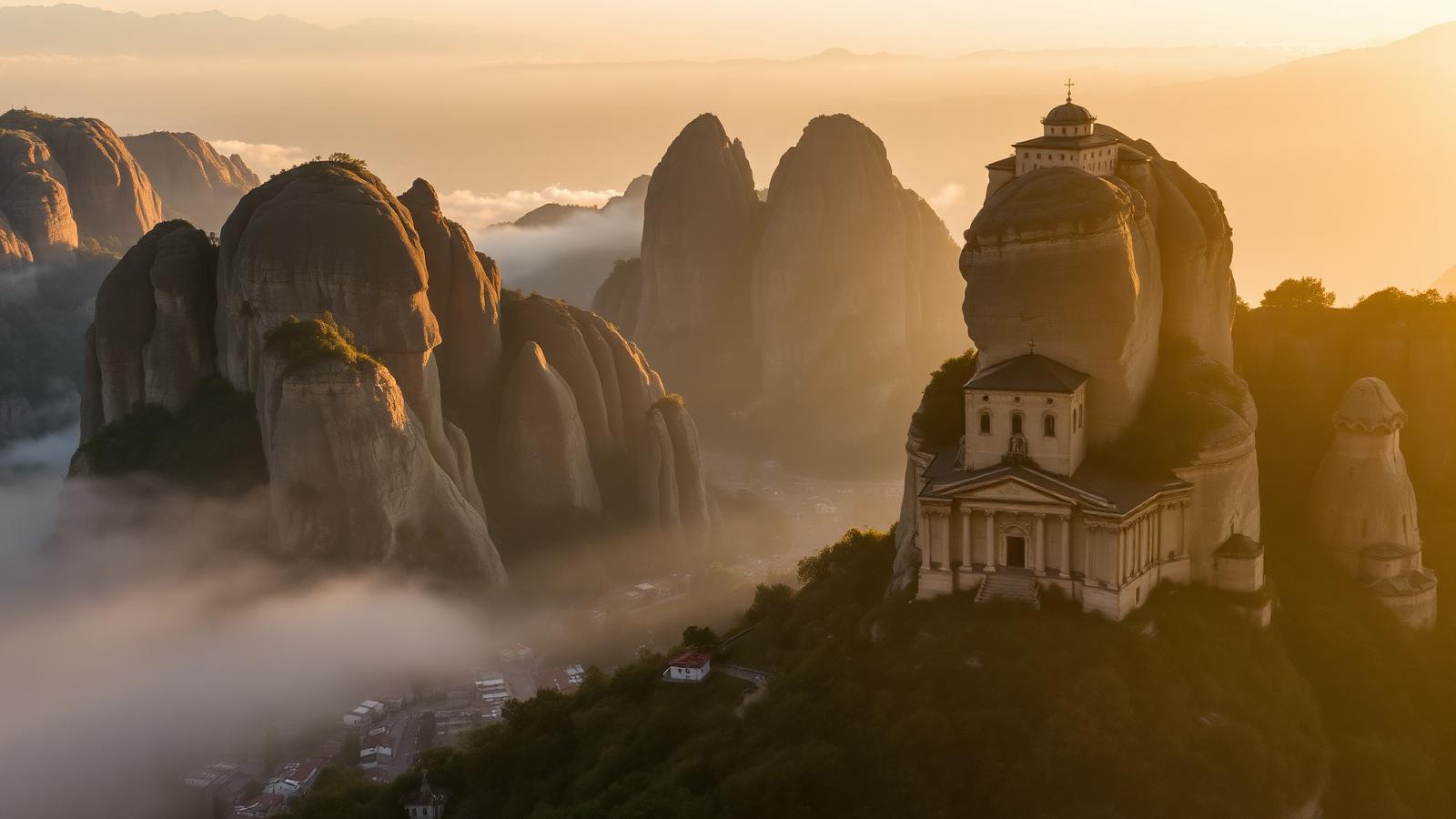
Few places in the world inspire as much awe as Meteora. This unique geological marvel, where gigantic, dark sandstone rocks rise vertically from the Thessaly plain, seems to have sprung from the pages of a fantasy novel. Perched atop these ethereal stone pillars, which appear to hover between heaven and earth, are historic monasteries, creating a breathtaking landscape that soothes the soul. A trip here is not just a getaway, but a plunge into history, faith, and the magnificent power of nature.
To truly appreciate the magic of the region, you’ll ideally need three days. This time allows you to comfortably visit the main monasteries, walk the old paths of the monks, explore the picturesque town of Kalambaka and the traditional village of Kastraki, and unhurriedly enjoy a sunset that will be etched in your memory forever. Meteora is a destination for all seasons, offering a different, yet always equally impressive, perspective of its grandeur.
Why go
The answer to “what makes Meteora famous?” is multifaceted, combining geology, history, and spirituality. The landscape is the first thing that captivates you. These rocks, formed millions of years ago from river deposits in a prehistoric lake, eroded over time to create the smooth, vertical pillars we see today. It is such a rare geological phenomenon that it is an attraction in itself. UNESCO recognised this dual value, natural and cultural, by including Meteora in the World Heritage List in 1988.
Against this surreal backdrop, an incredible story of human faith and perseverance unfolded. From the 11th century, the first ascetics sought isolation and spiritual elevation in the caves of these rocks. In the 14th century, amidst the insecurity and raids plaguing the region, monks began building monasteries on the inaccessible peaks, seeking safety. With incredible effort, using scaffolding, ropes, and nets, they transported materials and constructed these architectural masterpieces. At its peak, the monastic community numbered 24 monasteries. Today, six of them remain active, continuing a centuries-old tradition.
The character of the region is deeply spiritual, even for the non-religious visitor. The atmosphere of serenity, the view from the monasteries stretching to the Pindus mountains and the Thessalian plain, and the very idea of retreating from the world into such an imposing environment, create a sense of awe. It is a place that invites you to slow down, observe, and reflect. Kalambaka, built in the shadow of the rocks, serves as the modern gateway to this world, while Kastraki, nestled amongst them, maintains a more traditional and quiet pace, offering a more direct connection with the natural environment.
How to get there
Access to Kalambaka and Meteora is easy, whether you travel by car or public transport.
By car:
The distance from Athens is approximately 355 kilometres and the journey takes about 4 hours. Follow the Athens-Lamia National Road and then the Central Greece Motorway (E65) towards Trikala/Kalambaka. The route is modern and comfortable. You can see the Athens-Meteora route with details on tolls and kilometres.
From Thessaloniki, the distance is approximately 230 kilometres and the journey takes about 2.5 to 3 hours, following the Egnatia Odos motorway to the exit for Panagia/Kalambaka.
By intercity bus (KTEL):
There are daily, frequent KTEL Trikalon bus services connecting Athens (Liosion Station) and Thessaloniki with Trikala. From Trikala, there are regular local buses that take you to Kalambaka in about 30 minutes. In summer, there are also direct bus routes from Kalambaka to the monasteries.
What to see
The monasteries are, of course, the highlight of any visit. Each has its own distinct history and charm.
Holy Monastery of Great Meteoro (Transfiguration of Christ)
It is the largest, oldest, and most important monastery of Meteora. Founded in the 14th century by Saint Athanasios the Meteorite, it is situated on the most imposing rock. Its main church is impressive, while in the monastery museum you can see rare manuscripts, icons, and historical artefacts. Access is via stairs carved into the rock.
Holy Monastery of Varlaam
The second-largest monastery, directly opposite Great Meteoro, offers stunning views. It was named after the first ascetic who settled on the rock, Varlaam. It impresses with its old tower with the net (vrizoni), which was formerly used for ascent, and its excellent museum-sacristy.
Holy Monastery of Rousanou (Saint Barbara)
At a lower altitude and with easier access via a bridge, this nunnery seems to cover the entire surface of its rock. It is dedicated to the Transfiguration of Christ, but Saint Barbara is also honoured. Its location offers fantastic views both towards the plain and the neighbouring monasteries, making it an ideal spot for photos.
Holy Monastery of Saint Stephen
It is the most easily accessible monastery, as no ascent of stairs is required. A small bridge connects the road directly to the monastery entrance. This is a nunnery with a magnificent view towards the town of Kalambaka and the Thessalian plain. Its main church is dedicated to Saint Charalambos.
Holy Monastery of Holy Trinity
Perhaps the most photographed and dramatic monastery, perched atop a steep and isolated rock. Access requires climbing approximately 140 stairs, but the 360-degree view from the top is the ultimate reward. It became world-famous from the James Bond film “For Your Eyes Only.”
Holy Monastery of Saint Nicholas Anapafsas
It is the first monastery one encounters coming from Kastraki. Due to the small surface area of the rock, the monastery developed over several levels. It is famous for its exceptional 16th-century frescoes painted by the great Cretan iconographer Theophanis Strelitzas.
Kalambaka and Kastraki
Kalambaka is a modern town with all amenities, restaurants, cafes, and shops, built in the shadow of the rocks. A stroll through the old town, below the rock of the Holy Trinity, is worthwhile. Kastraki, on the other hand, is a beautiful, traditional village, designated as a preserved settlement, situated literally among the rocks. It is quieter and offers a more authentic accommodation experience.
Activities
Beyond visiting the monasteries, the area offers a plethora of outdoor activities.
- Hiking: There is an extensive network of trails connecting the monasteries and villages, following the routes of the old monks. Hiking from Kastraki to the Holy Trinity Monastery or from Great Meteoro to Varlaam offers unique perspectives and a sense of adventure.
- Climbing: Meteora is one of the most famous climbing destinations in the world. Hundreds of routes of varying difficulty attract climbers from everywhere. The activity is allowed only on specific rocks and is recommended exclusively for experienced climbers or with the accompaniment of certified guides.
- Rafting and Kayak: Nearby, you can enjoy rafting and kayaking in the waters of the Pineios River or its tributary, Ion. It is an excellent opportunity to combine your visit with a dose of adrenaline.
- Exploring the wider region: Meteora is an ideal base to explore the entire Trikala prefecture, from the beautiful city of Trikala to the mountain villages of Pindus.
The destination by season
Each season dresses Meteora in different colours and offers a unique experience.
Spring (April - June): Nature awakens and the slopes fill with wildflowers and greenery. The weather is ideal for hiking and the days get longer, allowing more time for exploration.
Summer (July - August): The period with the most crowds and highest temperatures. Visits to the monasteries should be made early in the morning. The landscape, bathed in intense light, is impressive, especially at sunset.
Autumn (September - November): For many, the best season. The colours of the trees create a stunning canvas, the weather is mild, and the crowds are noticeably smaller. The atmosphere is melancholic and serene.
Winter (December - March): Winter offers the most dramatic scenery. The mist that often embraces the rocks and the possibility of snow create a magical, almost otherworldly setting. It is the quietest period, ideal for those seeking absolute tranquility.
3-day itinerary
Day 1: Arrival and first contact
Arrive in Kalambaka or Kastraki and settle into your accommodation. In the afternoon, make your first visit to the Holy Monastery of Saint Stephen, which is the most easily accessible and offers panoramic views of the town. End your day with a stroll through Kalambaka and dine at one of its traditional tavernas. If you have time, a visit to the nearby town of Trikala is worthwhile; see where to stay in Trikala if you wish to combine the two destinations.
Day 2: In the heart of Meteora
Dedicate your morning to the two largest monasteries. Start early with the Holy Monastery of Great Meteoro to avoid the crowds, and continue with the Holy Monastery of Varlaam, which is directly opposite. At midday, rest and have lunch in picturesque Kastraki. In the afternoon, visit the Holy Monastery of Rousanou and find a viewpoint to enjoy the magical sunset.
Day 3: The view from above and departure
On the morning of your last day, embrace the challenge of ascending to the Holy Monastery of Holy Trinity. The view will fully reward you. On your way back, stop at the Holy Monastery of Saint Nicholas Anapafsas to admire Theophanis' frescoes. Before heading back, buy local products from Kalambaka. For a longer excursion, Metsovo is an excellent choice; see where to stay in Metsovo.
What to eat
The local cuisine is based on the pure ingredients of the Thessalian land. Don't miss trying the excellent local sausages, handmade pies (hortopita - greens pie, tyropita - cheese pie), trahanas, and dairy products such as Batzos cheese. In the restaurants of Kalambaka and Kastraki, you will also find delicious grilled meats, cooked dishes, and local recipes, such as oven-roasted lamb or rooster in wine sauce. Accompany your meal with local wine or tsipouro.
Where to stay
Your choice of accommodation depends on your preferred style. Kalambaka offers more options for lodging, restaurants, and shops, while Kastraki offers tranquility and direct contact with the rocks. Where to stay in Kalambaka and its surroundings depends on your priorities: a central location or an unparalleled view. There are many excellent options for hotels in Kalambaka and Kastraki for every taste and budget.
1. Hotel Doupiani House
Built directly beneath the rocks, it offers a traditional atmosphere and a direct, unobstructed view of Meteora. It serves as an ideal base for hiking the trails that start from Kastraki.
- Average cost: €80-120 per night (indicative)
2. Tsikeli Boutique Hotel Meteora - Adults Friendly
A stylish boutique hotel in Kastraki, exclusively for adults, offering tranquility and a romantic atmosphere. It stands out for its modern design and attention to detail.
- Average cost: €110-180 per night (indicative)
3. Pyrgos Adrachti
With a unique location beneath the “Adrachti” rock in Kastraki, this hotel offers dramatic views and a feeling of touching the rocks. Its traditional architecture blends perfectly with the landscape.
- Average cost: €80-130 per night (indicative)
4. Dellas Boutique Hotel
Combining modern aesthetics with stone and wood, this hotel is conveniently located between Kalambaka and Kastraki. It features elegant rooms and a beautiful garden with a swimming pool.
- Average cost: €90-150 per night (indicative)
5. Divani Meteora Hotel
A large and luxurious hotel in Kalambaka, ideal for those seeking comprehensive services and comforts. It features a large outdoor pool, an indoor pool, and a spa, making it an excellent choice among hotels with a spa in Meteora.
- Average cost: €120-200 per night (indicative)
6. Konaki of Meteora Boutique Living
Housed in a renovated, historic building in the centre of Kalambaka, offering an authentic experience. It combines traditional architecture with the modern amenities of a boutique accommodation.
- Average cost: €70-110 per night (indicative)
7. Mirabilis Boutique Hotel
A modern boutique hotel in Kalambaka with elegant decor and views of the rocks from some rooms. It offers easy access to the city centre and restaurants.
- Average cost: €80-130 per night (indicative)
8. Epavlis Meteora Suites Hotel
Luxurious suites with panoramic views of Meteora, located in a quiet area just outside Kalambaka. It features a swimming pool and offers a sense of exclusivity, while some suites have a jacuzzi, a good choice for those looking for rooms with a jacuzzi in Kalambaka.
- Average cost: €130-220 per night (indicative)
9. Hotel Kosta Famissi
A central and affordable hotel in the heart of Kalambaka, ideal for those who want to be close to everything. It offers classic accommodation and direct access to cafes, tavernas, and the local market.
- Average cost: €50-80 per night (indicative)
10. Hotel Meteora
Located at the highest point of Kastraki, offering unparalleled panoramic views of the entire rock complex. It is a classic choice for those who want to wake up and go to sleep with the best possible view.
- Average cost: €85-140 per night (indicative)
11. Meteora Living Rooms
An excellent choice for those who prefer independence, as it offers modern and fully equipped apartments in Kalambaka. It is ideal for families or groups who want to feel at home.
- Average cost: €90-150 per night (indicative)
12. Meteora Hotel at Kastraki
A traditional hotel within the picturesque village of Kastraki, offering warm hospitality. It serves as a quiet and authentic base for exploring the monasteries and the surrounding nature.
- Average cost: €60-100 per night (indicative)
Practical tips
- Dress code: Entry to the monasteries requires modest attire. Men must wear long trousers, and women must wear long skirts (not trousers) and have their shoulders covered. At the entrances of most monasteries, free skirts and shawls are available for visitors.
- Opening hours and entrance fees: Each monastery has different opening days and hours (e.g., one monastery is closed every Tuesday, another every Thursday). Check the opening hours online before your visit, as they may change seasonally. Entrance to each monastery usually costs around €3 per person.
- Best time to visit: To avoid the crowds, especially during the summer months, visit the monasteries early in the morning, as soon as they open. The light is also better for photographs early in the morning and late in the afternoon.
- Transportation: Using a car is the most flexible way to explore the area. There are parking spaces near each monastery, but they can fill up quickly. Alternatively, you can use local buses or taxis.
Frequently Asked Questions
How many monasteries can I visit in one day?
Realistically, you can visit 2 to 3 monasteries in one day without feeling rushed. Combining the two largest (Great Meteoro and Varlaam) in the morning and a smaller one (e.g., Rousanou) in the afternoon is a good plan.
Is Meteora suitable for families with small children?
Yes, but with caution. Saint Stephen's Monastery is fully accessible without stairs. Other monasteries require climbing many stairs, which can be tiring for small children. Always supervise your children, especially at viewpoints.
What is the dress code for entering the monasteries?
Modest attire is required. For men, long trousers. For women, long skirts (below the knee) and tops with covered shoulders. Skirts and shawls are usually provided at the entrances.
Do I need a car to explore Meteora?
A car offers the most flexibility. However, you can travel by local KTEL bus connecting Kalambaka to the monasteries (services are more frequent in summer), by taxi, or by joining organised tours.
What is the best time to visit Meteora?
Spring and autumn are considered the ideal seasons due to the mild weather, beautiful natural colours, and fewer crowds. Winter offers a unique, dramatic atmosphere, while summer has the most crowds and heat.
Is the climb to the monasteries difficult?
The difficulty varies. Saint Stephen's Monastery has no stairs at all. Rousanou Monastery has few. The Monasteries of Great Meteoro, Varlaam, and Holy Trinity require climbing from 140 to over 300 stairs. The climb requires moderate physical fitness but can be done comfortably with short breaks.
Σύγκριση
Τα καταλύματα με μια ματιά
Τύπος καταλύματος
Τα φίλτρα σας αποθηκεύονται αυτόματα για αυτόν τον προορισμό.
| Κατάλυμα | Περιοχή | Τύπος | Τιμή από | Βαθμολογία | Λίστα |
|---|---|---|---|---|---|
| Hotel Doupiani House | Where to stay | Ξενοδοχείο | — | — | |
| Tsikeli Boutique Hotel Meteora - Adults Friendly | Where to stay | Boutique | — | — | |
| Pyrgos Adrachti | Where to stay | Ξενοδοχείο | — | — | |
| Dellas Boutique Hotel | Where to stay | Boutique | — | — | |
| Divani Meteora Hotel | Where to stay | Ξενοδοχείο | — | — | |
| Konaki of Meteora Boutique Living | Where to stay | Boutique | — | — | |
| Mirabilis Boutique Hotel | Where to stay | Boutique | — | — | |
| Epavlis Meteora Suites Hotel | Where to stay | Σουίτες | — | — | |
| Hotel Kosta Famissi | Where to stay | Ξενοδοχείο | — | — | |
| Hotel Meteora | Where to stay | Ξενοδοχείο | — | — | |
| Meteora Living Rooms | Where to stay | Ξενοδοχείο | — | — | |
| Meteora Hotel at Kastraki | Where to stay | Ξενοδοχείο | — | — |
Οι τιμές είναι ενδεικτικές, όπως αναφέρονται στο άρθρο, και αλλάζουν ανά εποχή. Η λίστα σας αποθηκεύεται τοπικά στη συσκευή σας. Οι σύνδεσμοι είναι affiliate links, χωρίς επιπλέον χρέωση για εσάς.

Η συντακτική ομάδα
Travelo Team
Συντακτική ομάδα του Travelo.gr
Πολυταξιδεμένη συντακτική ομάδα με πάνω από 15 χρόνια στον ταξιδιωτικό δημοσιογραφικό χώρο και περισσότερους από 45 προορισμούς σε Ελλάδα και Ευρώπη. Έχουμε διανυκτερεύσει σε εκατοντάδες καταλύματα — από μικρά οικογενειακά ξενοδοχεία και παραδοσιακούς ξενώνες μέχρι resorts 5 αστέρων — και δοκιμάζουμε προσωπικά περιοχές, μεταφορές και υπηρεσίες πριν προτείνει κάτι.
- 45+ προορισμοί επί τόπου
- 500+ καταλύματα σε αξιολόγηση
- 15 χρόνια ταξιδιωτικής αρθρογραφίας
Πώς δουλεύουμε: κάθε οδηγός βασίζεται σε επιτόπια εμπειρία, διασταύρωση αξιολογήσεων επισκεπτών και έλεγχο διαθεσιμότητας/τοποθεσίας κάθε καταλύματος. Ορισμένοι σύνδεσμοι είναι συνεργατικοί (affiliate) — αν κάνετε κράτηση μέσω αυτών, στηρίζετε το Travelo.gr χωρίς καμία επιπλέον χρέωση για εσάς, και δεν επηρεάζουν τις προτάσεις μας. Τελευταία ενημέρωση οδηγού: 11 Οκτωβρίου 2026.
Πού να μείνω — Επίσης
- Zagreb: An accommodation guide to experience the authentic charm of the Croatian capital
- Belgrade: The vibrant heart of the Balkans , Where to stay to discover its authentic charm
- Bratislava: Accommodation Guide to the Danube's Most Charming Capital
- Discover Lemnos and see the best accommodation options!