Halkidiki: Sea, mountains, excursions, and pilgrimage!
Kassandra, Sithonia, Mount Athos. Three shapely peninsulas plunge into the North Aegean. Like pincers vying to unite, they form the Toronean Gulf and the Gulf of Mount Athos. [lwptoc numeration=”romannested”] Holomontas. The mountain. On the northern side of the region. The University Forest of Taxiarchis and its fir trees. The cultivated ones. Christmas trees are grown here, adorned with all the beauty of nature around them…
Από Travelo Team
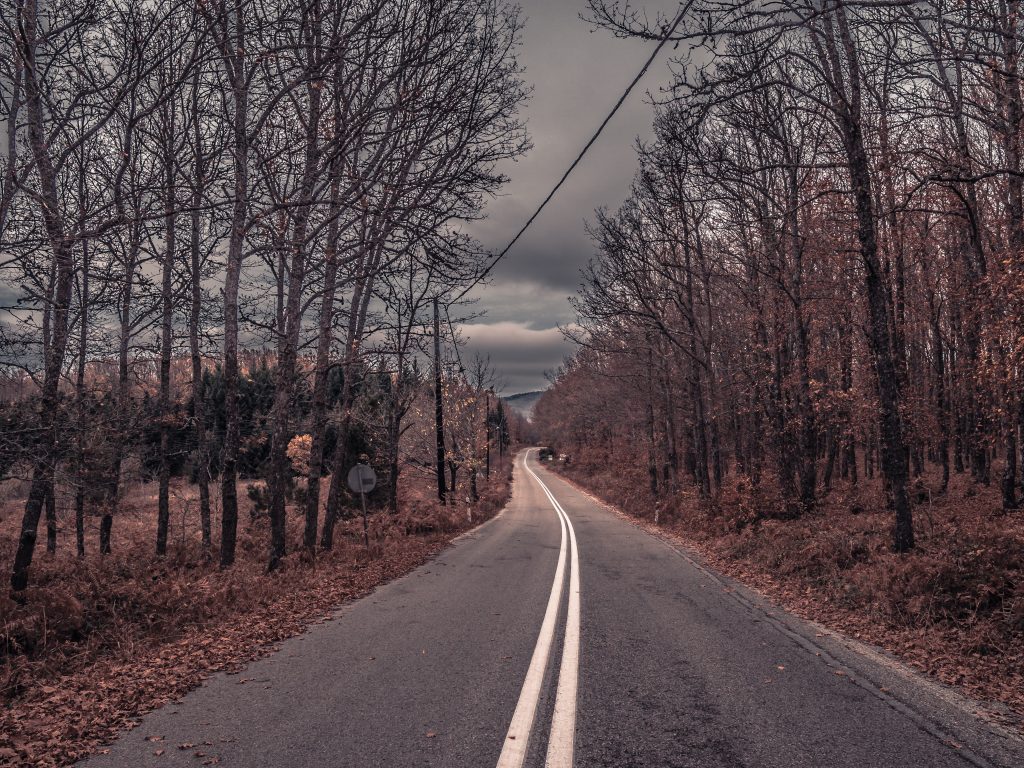
Kassandra, Sithonia, Mount Athos. Three shapely peninsulas plunge into the North Aegean. Like pincers vying to unite, they form the Toronean Gulf and the Gulf of Mount Athos.
[lwptoc numeration=”romannested”]
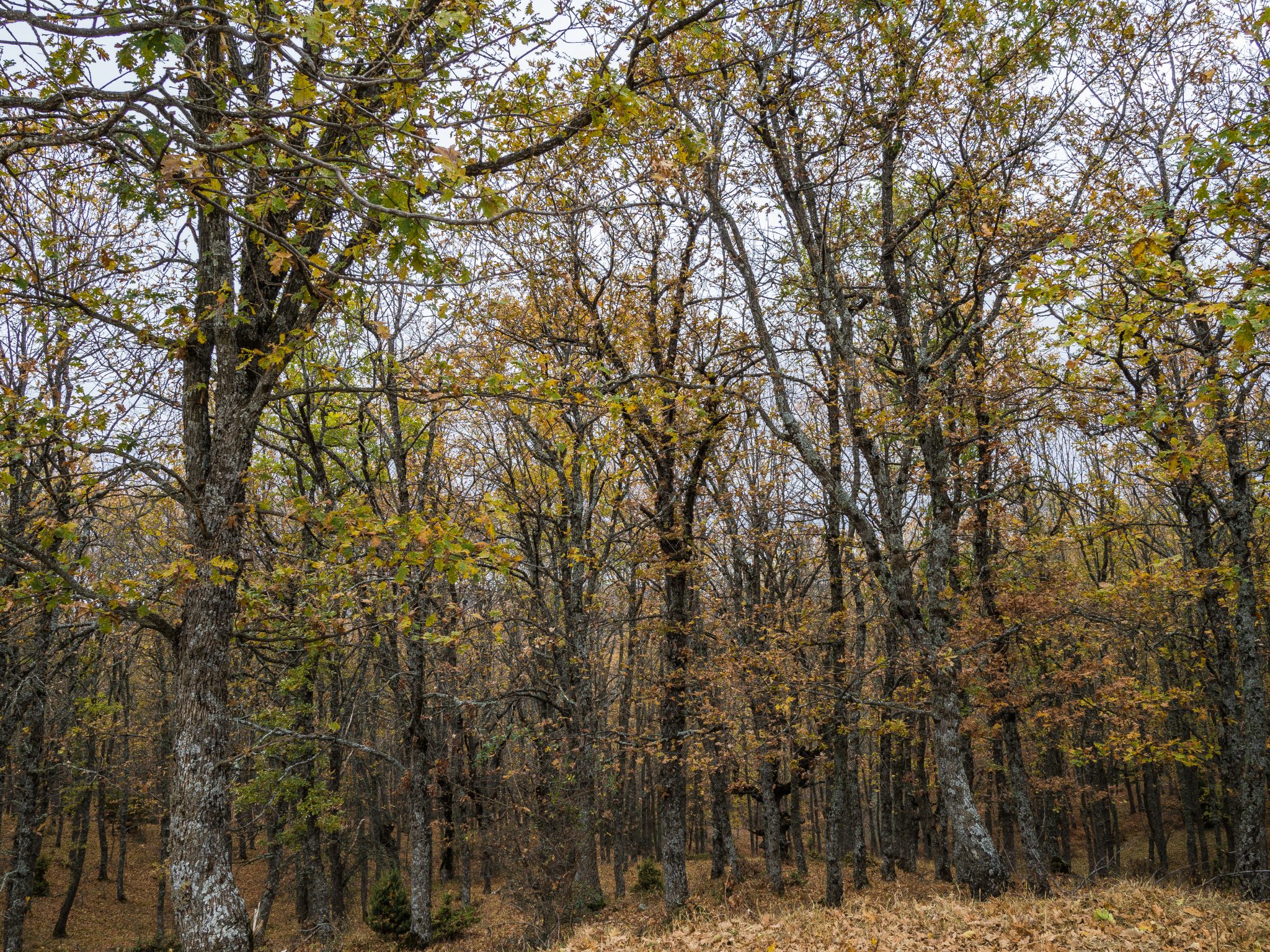
Holomontas. The mountain. On the northern side of the region. The University Forest of Taxiarchis and its fir trees. The cultivated ones. Christmas trees are grown here, adorned with all the beauty of nature around them.
Stratoniko is nearby. The mountain that has tantalised people since antiquity. Gold, silver, copper, and manganese deposits and a coastline defined by its loading jetties.
Around it, for decades now, magnificent cities of the past have been excavated, such as Stagira, the birthplace of Aristotle. Loyal to God, loyal to luxury, loyal to nature.
Such types keep coming back to Halkidiki. And they might be Russians, Bulgarians, or Germans, Athenians or Southern Greeks in general.
But most of them will definitely be Northerners. Thessalonians. Who will have their caravan permanently moored on the sand, a permanent key to a rented room, or a country house in some mountain or non-mountain village.
They'll come for a day trip from Thessaloniki, it's nearby, or for the whole summer. Others will come once, twice, maybe even three times in their lives. Some will come every year.
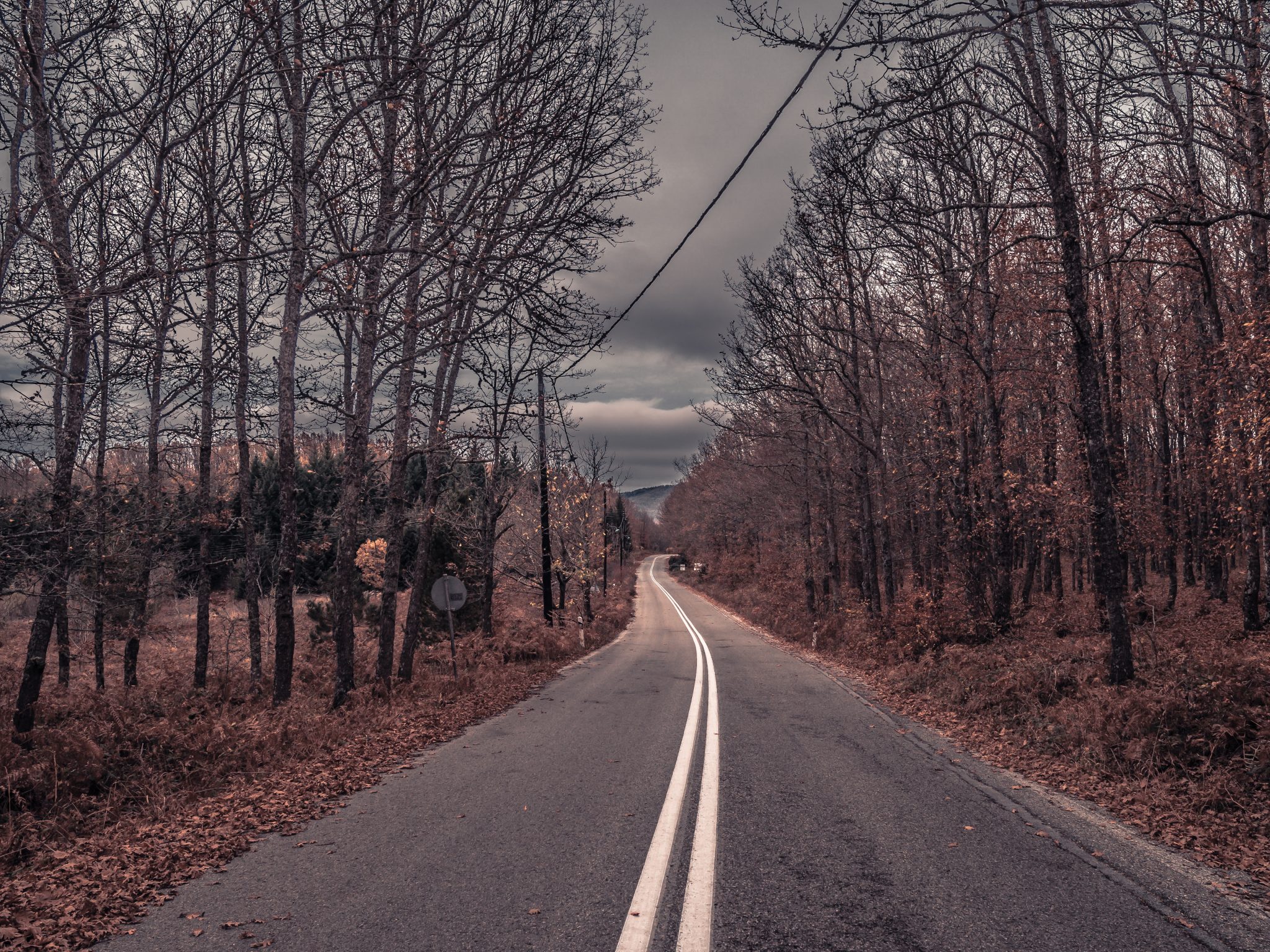
To pay homage to the grandeur of Athos, to the beaches of Sithonia, to the forests of Holomontas, or to be revered in Kassandra. Each peninsula, a different vow, you see.
The locals are here and welcome them warmly. They keep the villages and the land alive. Fishermen, farmers, livestock breeders, beekeepers, fir tree growers, miners, monks. And the entrepreneurs, of course. The tourism professionals, whose industry started here many decades ago.
When Germans began discovering the beauties of the Greek North and when Karras laid foundations in Neos Marmaras.
And so now you find here some of Greece's most luxurious facilities, gourmet restaurants with the signatures of top, award-winning chefs, royal amenities that are hard to find elsewhere. But you also find tavernas and humble ouzeri by the sea.
Famous for their fish, for instance, are Nea Moudania and Ierissos, while Agios Taxiarchis in Holomontas is renowned for its pork souvlaki and meat dishes in general. Nikiti, on the other hand, is one of Europe's most famous beekeeping villages.
Halkidiki, in general, actually produces the largest quantity of honey in Greece. Gourmet and all-inclusive hotels are mainly in Kassandra, the opulent peninsula.
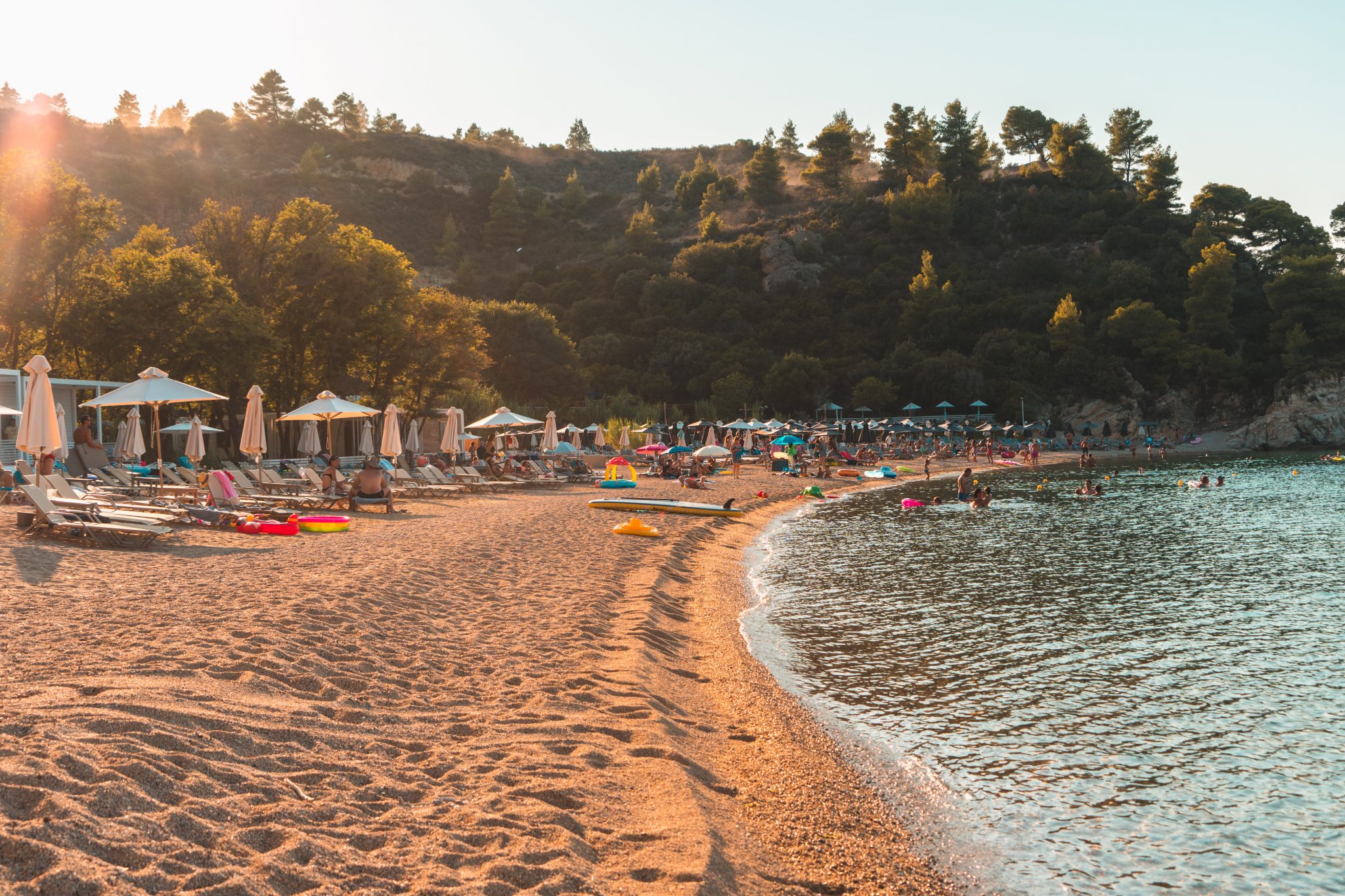
Sithonia is more… Greek. With hotels from past decades and rented rooms lining the sea.
And with campsites. The countless organised campsites along the coast, with Armenistis being the most famous, but also with hidden spots where, although officially forbidden, 'free' campers pitch their tents.
In general, however, you'll find everything in Halkidiki, as you've understood. Well, what? Is it by chance that Northern Greeks loudly exclaim, “There’s nothing like Halkidiki”?
Anarchy on the coasts
The refugees of '22 and tourism defined Halkidiki's architecture. Rows of newly built houses on the coast, where Asia Minor Greeks, Pontians, and Thracians established their new homelands. And then came the earthquake of '32. Nothing was left standing.
Only the famous Halkidikian towers, those that protected the Athonite monastic dependencies (metochia). Metochia; almost every village you see, every area, was once a dependency of a Mount Athos monastery.
Around the towers were the other monastic facilities and those of the land cultivators, and they usually also had a boatyard.
The most beautiful towers still standing are those of Agios Pavlos in Nea Fokaia, Kassandra, of Mariana in the Olynthos area, and naturally, Ouranoupoli.
You'll see another one in Zografou village, the Stavronikita Tower in Sani, the Krouna Tower in Ierissos, and the distinctive architectural tower in Galatista.
The coastal settlements developed chaotically to accommodate the onslaught of tourism. As everywhere in Greece, the logic of concrete prevailed.
The villages that preserve some old stone houses are few and far between, and the only genuine architectural brilliance is essentially found in Arnaia, where Macedonian craftsmanship puts on a recital.
Endless excursion
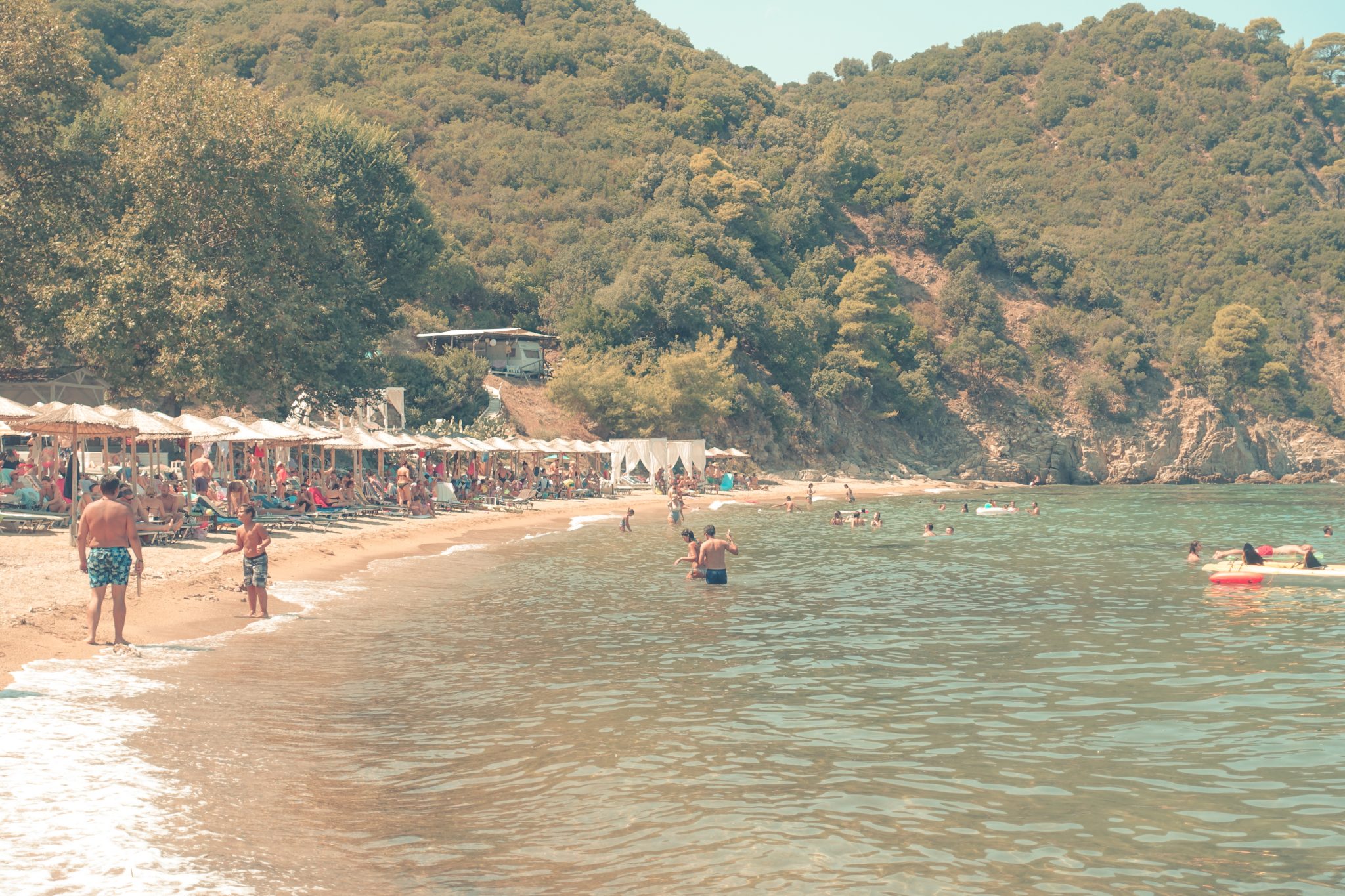
A relatively good road network takes you around Halkidiki. Macedonia Airport is next to Halkidiki - so you can book your flights, rent a car and immediately find yourself in beautiful Halkidiki! In Kassandra, the one-way system on the main network is particularly well-conceived, and now you'll find good road surfaces thanks to the new motorway, all the way to Potidaia.
In Sithonia, the enchanting drive around the peninsula is on a wide, good asphalt road.
In both Sithonia and Kassandra, you will find endless choices of hotels. Generally, you can easily find cheap rooms in Halkidiki on the second leg and also on the first, as the supply is quite large – only during August might you struggle, as demand is quite high!
However, be prepared for heavy traffic, especially on weekends. And prepare for countless kilometres. Consider, for example, that Olympiada, the easternmost village of Halkidiki, is 70 km from Polygyros, the capital in the centre of the region, while Neos Marmaras, Sithonia, is about 60 km away. But this way, you'll get to know every corner of it.
However, under no circumstances should you miss a visit to the spectacular Petralona Cave in the Nea Propontida area. The human skull discovered there attracted global interest thanks to the information it provided about the evolution of the human species.
Halkidiki has, moreover, been inhabited since ancient times, and it is well known that modern settlements cover ancient cities. Currently, ancient Olynthos and Stagira are excavated and organised as archaeological sites.
The Sanctuary of Ammon Zeus in Kallithea, Kassandra, is wonderfully organised, in contrast to the Sanctuary of Poseidon found in Possidi, also in Kassandra, which lies fenced and 'invisible' beside the sand.
In an even worse state is the covered sanctuary of ancient Ouranoupoli found in Nea Roda.
By all means, do not miss a stroll around the Sophronius Basilica in Nikiti, Sithonia, the Roman farmhouse on Megali Kypsa beach in Kassandra, where basilica ruins are also visible, in Potidaea where the ancient city's fortification along the canal is preserved, and the Likythos castle in Toroni, Sithonia.
Nearby, another basilica of Agios Athanasios was discovered, though there isn't much to see there. There is an archaeological museum in Polygyros, which is currently undergoing renovation. Once it reopens to the public, it will display significant finds from across the region.

Η συντακτική ομάδα
Travelo Team
Συντακτική ομάδα του Travelo.gr
Πολυταξιδεμένη συντακτική ομάδα με πάνω από 15 χρόνια στον ταξιδιωτικό δημοσιογραφικό χώρο και περισσότερους από 45 προορισμούς σε Ελλάδα και Ευρώπη. Έχουμε διανυκτερεύσει σε εκατοντάδες καταλύματα — από μικρά οικογενειακά ξενοδοχεία και παραδοσιακούς ξενώνες μέχρι resorts 5 αστέρων — και δοκιμάζουμε προσωπικά περιοχές, μεταφορές και υπηρεσίες πριν προτείνει κάτι.
- 45+ προορισμοί επί τόπου
- 500+ καταλύματα σε αξιολόγηση
- 15 χρόνια ταξιδιωτικής αρθρογραφίας
Πώς δουλεύουμε: κάθε οδηγός βασίζεται σε επιτόπια εμπειρία, διασταύρωση αξιολογήσεων επισκεπτών και έλεγχο διαθεσιμότητας/τοποθεσίας κάθε καταλύματος. Ορισμένοι σύνδεσμοι είναι συνεργατικοί (affiliate) — αν κάνετε κράτηση μέσω αυτών, στηρίζετε το Travelo.gr χωρίς καμία επιπλέον χρέωση για εσάς, και δεν επηρεάζουν τις προτάσεις μας. Τελευταία ενημέρωση οδηγού: 22 Σεπτεμβρίου 2026.