Road trip to the Peloponnese: a unique blend of history and beaches!
How about an impressive journey through ancient Greece? With stunning landscapes, pristine turquoise waters, delicious dishes and plenty to do and see, a road trip to the Peloponnese is ideal! A road trip to the Peloponnese is an unforgettable experience combining history, nature and unique beaches, perfect for any traveller seeking an original summer destination…
Από Travelo Team
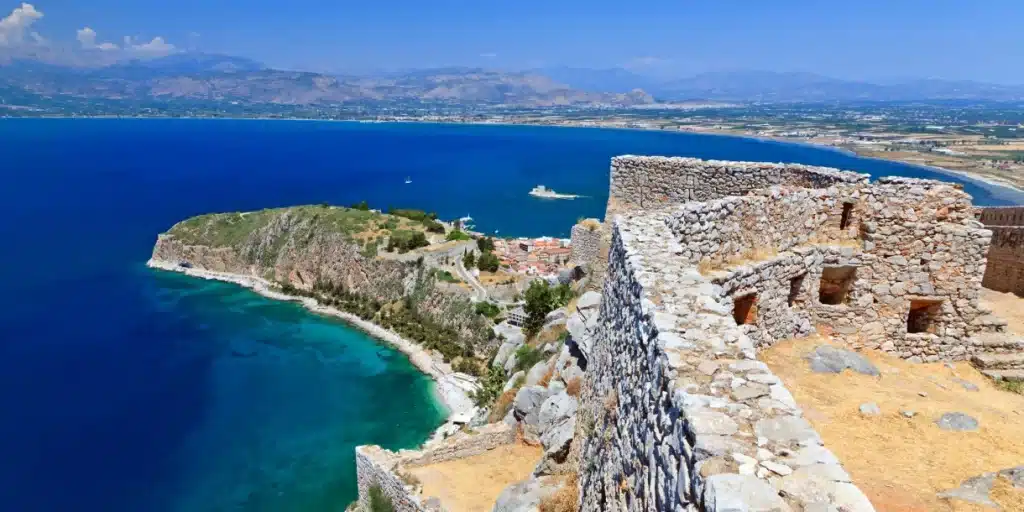
How about an impressive journey through ancient Greece? With stunning landscapes, pristine turquoise waters, delicious dishes and plenty to do and see, a road trip to the Peloponnese is ideal!
A road trip to the Peloponnese is an unforgettable experience combining history, nature, and unique beaches, perfect for any traveller seeking an original summer destination. The Peloponnese, this mythical peninsula, is a place surrounded by the Ionian Sea to the west, the Patras Gulf and the Corinthian Gulf to the north, and the Aegean Sea to the east and south, offering a plethora of options for every visitor.
Driving through its rich cultural tapestry, you will encounter ancient cities such as Mycenae, Olympia, Epidaurus and Nafplio, which are globally recognised monuments of immense historical significance. These archaeological findings and monuments showcase the wealth and importance of this region in antiquity, offering a captivating experience to every visitor.
Beyond its history, the Peloponnese also boasts amazing beaches with crystal-clear waters and golden sands stretching along its coasts. From Voidokilia beach in Messinia to the famous beaches of Mani, the options for swimming, sunbathing or even water sports are countless. Summer, when the sun shines brightly over the Greek landscape, is the ideal time to explore these beaches and enjoy the freshness of the Aegean and Ionian Seas.
Another reason that makes the Peloponnese ideal for a road trip is the diversity of its landscape. From its hills and mountains, such as Taygetus and Parnon, to its fertile valleys, every visitor can enjoy unique routes that offer unparalleled views at every turn. Driving through these landscapes provides a sense of freedom, making every moment of the journey unique.
Planning a trip to the Peloponnese in summer guarantees a combination of carefree relaxation on its wonderful beaches, invigorating excursions into nature, and a deep understanding of its rich history.
Where to stay
While there are some resort-style options in the larger towns and along certain coastal areas, most accommodations on the Peloponnese peninsula are small, boutique hotels, often family-run.
What you should prioritise on a road trip is also the ease of parking your vehicle, so your choices should probably be outside the historic city centres or at hotels with their own parking facilities.
Here are all the places worth visiting in the Peloponnese!
Towns of the Peloponnese
There aren't really any large cities in the Peloponnese. In this part of Greece, spending time in cities isn't really the goal, but some of them are quite charming. Here's a brief overview of what you have to choose from.
# Patras
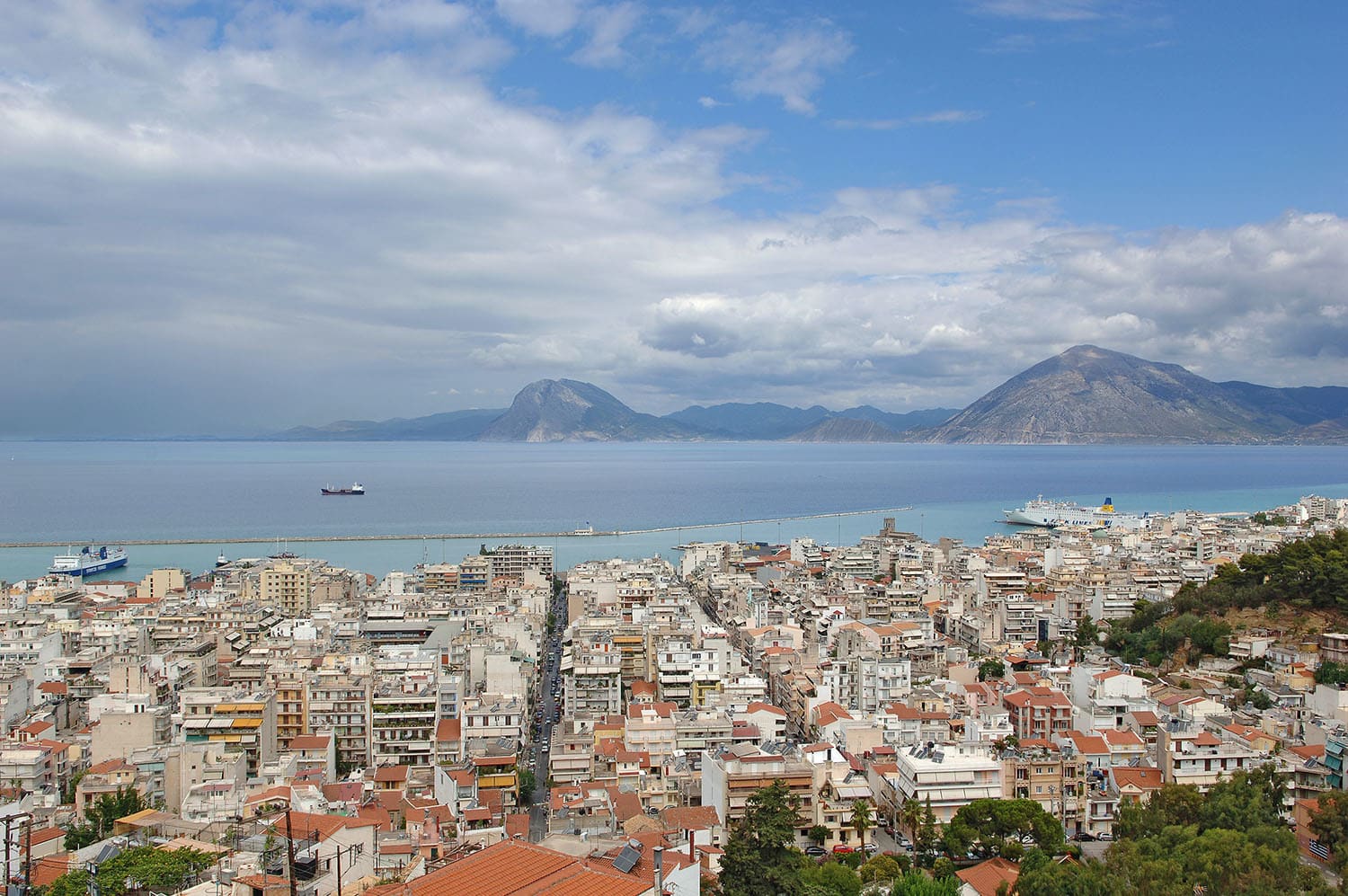
Patras, the third-largest city in Greece, is located on the northern coast of the Peloponnese, facing the Gulf of Patras. It is a city with a rich history dating back to antiquity and a very dynamic character with a vibrant student life and cultural activity.
In the city centre, the magnificent Saint Andrew stands out, the patron saint of the city, with its impressive church serving as a landmark for both residents and visitors. The Roman Odeon and the Ancient Conservatory are monuments that reflect the historical importance of the area from Roman times.
The city's promenade and commercial pedestrian street are ideal for strolls and enjoyable moments of relaxation, while the port of Patras connects mainland Greece with the Ionian Islands and Italy, making the city a significant hub for shipping and tourism.
# Kalamata
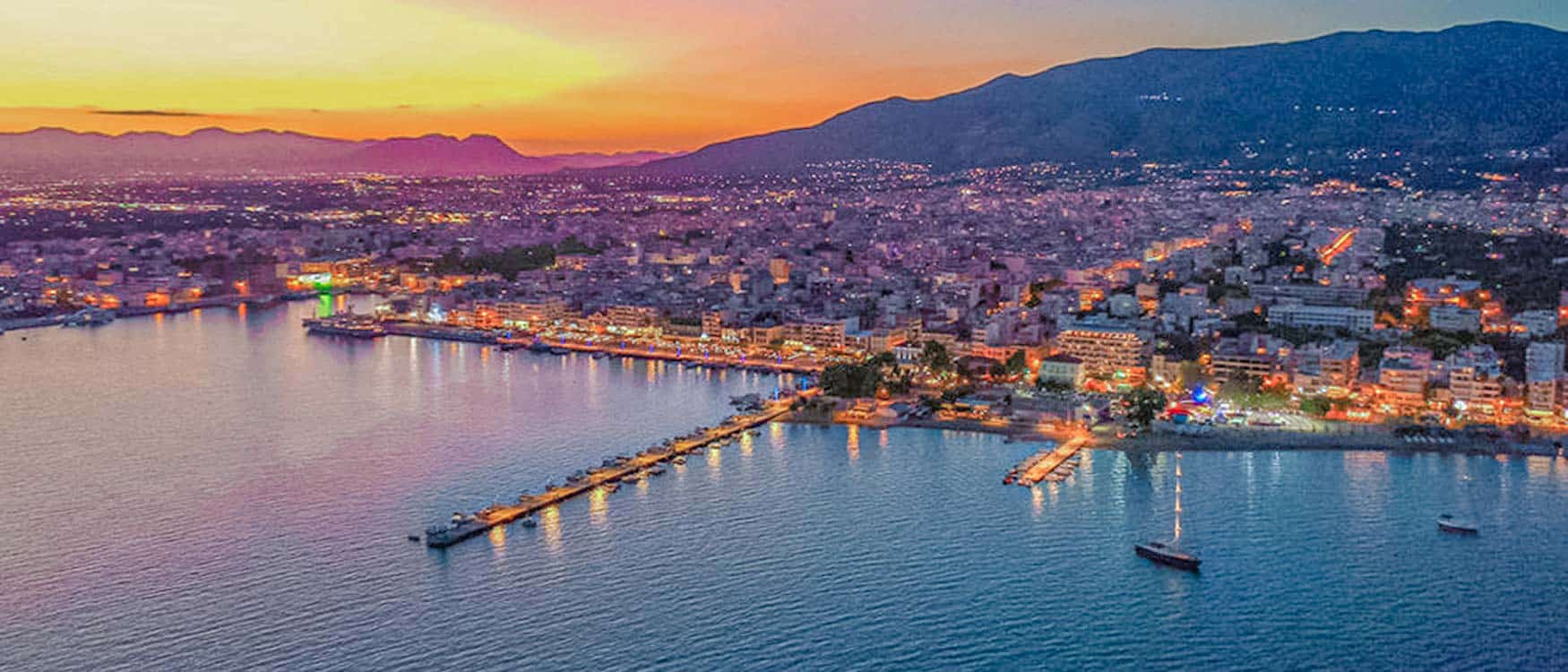
Kalamata, the capital of Messinia, is a multifaceted destination that perfectly combines mountains with the sea. Located in the south of the Peloponnese, it is known for its sandy beaches, olive oil, and interesting cultural activities.
The centre of Kalamata is filled with cafes, restaurants, and bars, offering a wealth of gastronomic options focused on Mediterranean cuisine. The historic market, traditional alleys, and old squares add to its charm.
From a cultural perspective, Kalamata boasts notable museums such as the Archaeological Museum of Kalamata and the Museum of Messinian Folk Art. Furthermore, the International Dance Festival, held every summer, has established itself as one of the most important cultural events in the region, attracting dancers and artists from around the world.
Beaches like Kalamata beach, Verga, and Santova are wonderful choices for swimming, sunbathing, and relaxing by the sea. Kalamata is also known for its mountainous side, with Taygetus offering magnificent hiking trails that provide panoramic views of the Messinian Gulf.
Kalamata is a good choice to start your Peloponnese road trip! Easily and quickly book your flights to Kalamata airport through travelo.gr and find cheap rental rooms in Kalamata with one click online!
# Sparta
Sparta, one of Greece's most historic cities, is located in the heart of the Peloponnese, surrounded by the majestic Taygetus mountain range. Modern and tranquil, today's Sparta has little in common with the ancient military superpower, but it maintains a distinct character that attracts visitors.
Archaeological finds, such as those at the Archaeological Museum of Sparta, showcase discoveries that highlight its historical and cultural significance. The ancient theatre and Menelaion palace are some of the attractions available for visiting, offering a glimpse into ancient grandeur.
In addition to its ancient monuments, Sparta offers beautiful parks and squares, such as the central city square, which is an excellent place to enjoy coffee and local cuisine. The area also offers superb hiking trails, particularly on Taygetus, where visitors can explore the paths and enjoy the region's impressive nature.
Sparta, despite being a relatively small city, boasts a lively atmosphere with many small shops, cafes, and tavernas serving traditional dishes, offering a genuine taste of Greek hospitality.
# Corinth
Corinth, a city with deep historical roots, is located near the Isthmus of Corinth, which connects the Peloponnese with the rest of Greece and separates the Corinthian Gulf from the Saronic Gulf. Its geographical position gave it historical importance and established it as a significant commercial and strategic centre since antiquity.
In Corinth, the ancient port of Lechaio stands out, as do the remains of the ancient wall that once encircled the city. The ancient forum, the Temple of Apollo, and the Roman Odeon are also important attractions that reflect the rich history of the area.
Corinth is also known for the Corinth Canal, an artificial waterway opened in 1893 and one of the most impressive engineering feats, attracting hundreds of visitors for its delightful views of ships passing through.
The modern city of Corinth offers a pleasant atmosphere with many cafes, restaurants, and bars, as well as commercial opportunities within the framework of traditional Greek hospitality. Corinth's beach, with its beautiful sandy shore and crystal-clear waters, offers ideal conditions for swimming and sunbathing, making it a popular destination for sea lovers.
# Nafplio
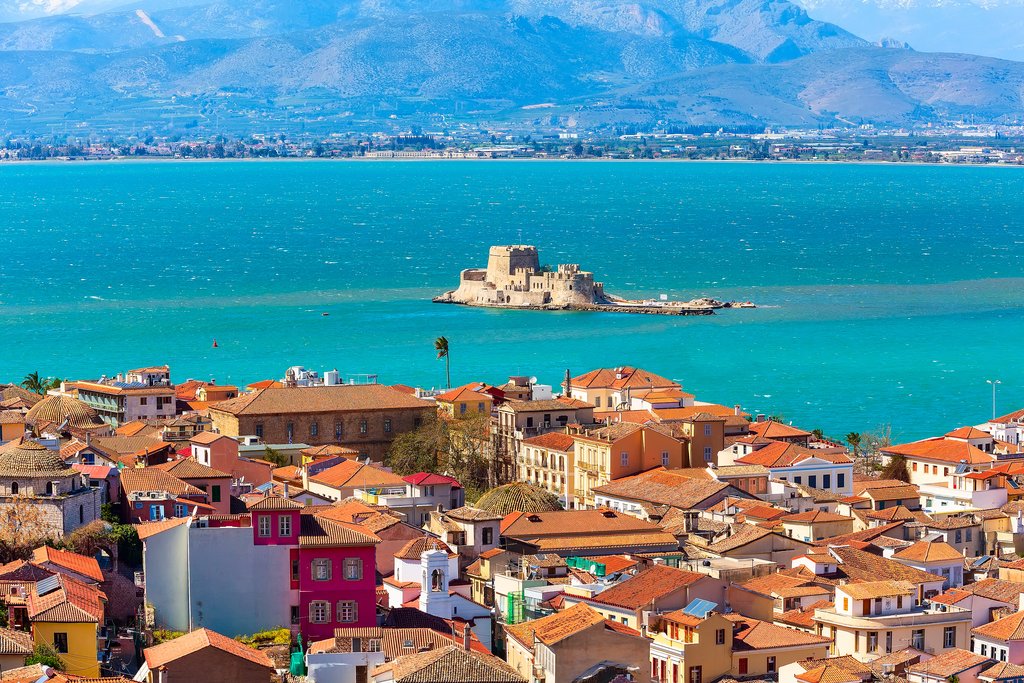
Nafplio, one of the most picturesque cities in Greece, is nestled in the Argolic Gulf of the Peloponnese. This historic city served as the first capital of modern Greece in the early 19th century and is famous for its wealth of neoclassical buildings, narrow charming alleys, and its historical heritage.
One of Nafplio's most iconic landmarks is the Venetian castle of Palamidi, majestically towering above the city. Climbing the 999 steps to the castle offers unique views of the city and the surrounding gulf. Other historic buildings include the Church of Saint Spyridon, where Kapodistrias was assassinated, and the Vouleftiko, the first parliament of independent Greece.
Nafplio is also known for its small and charming museums, such as the Archaeological Museum and the Komboloi Museum, which add to the city's cultural atmosphere. Arvanitia beach, a small but picturesque stretch of coast near the city centre, offers a tranquil option for swimming and sunbathing.
Nafplio, with its beautiful neoclassical buildings, historical monuments, excellent tavernas, and lively Syntagma Square, offers a unique visitor experience, making it an ideal destination for those seeking a blend of history, culture, and natural beauty.
Other notable places in the Peloponnese
# Corinth Canal
An engineering feat constructed in the late 1800s, the Corinth Canal. One of the best things to do there is to visit the information centre which will give you all sorts of ideas for what to do in the Peloponnese peninsula.
# Palamidi Castle
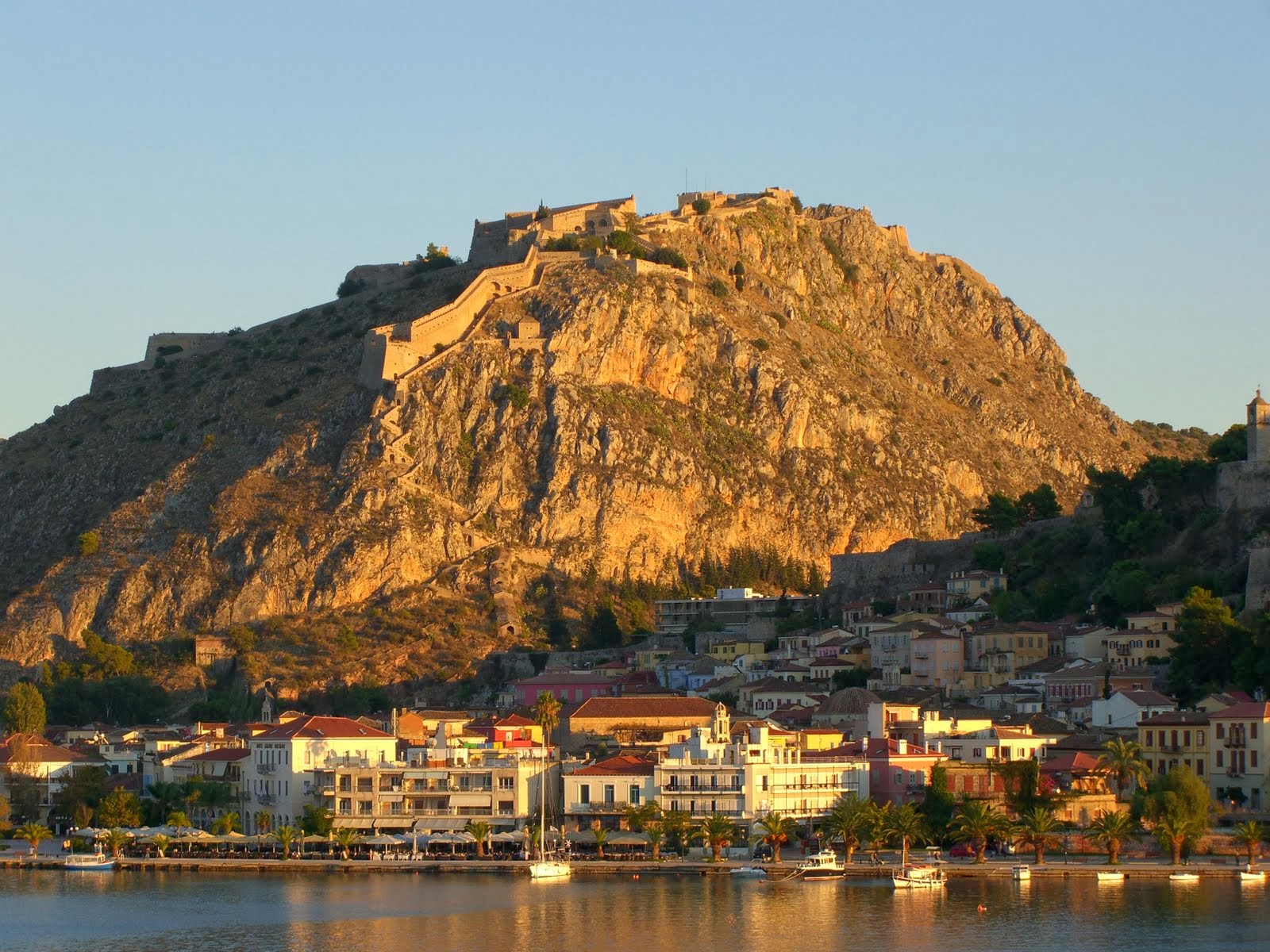
Palamidi Fortress sits high above the town of Nafplio. It's a massive monument that takes at least a few hours to truly explore. Not only do you get amazing views of the gulf and the town below, but there are also many buildings inside to wander through.
Palamidi Castle is one of many structures on the peninsula that date back to the Venetians and their tireless construction of amazing buildings, such as castles and fortresses. It's easy to recognise this, as the structure will always have an imprint of a lion somewhere on a wall or above an arch. It's their trademark.
# Mystras
Perched on the high slopes of Taygetus, overlooking the Laconian plain, stands the Byzantine fortress of Mystras. It is impressive!
The sprawling site involves lots of ups and downs as it clings to the side of a mountain. There are many spots with breathtaking views, and plenty to visit within the site itself. Enjoy the Byzantine church, the museum, and of course, the castle's surroundings.
# Diros Caves
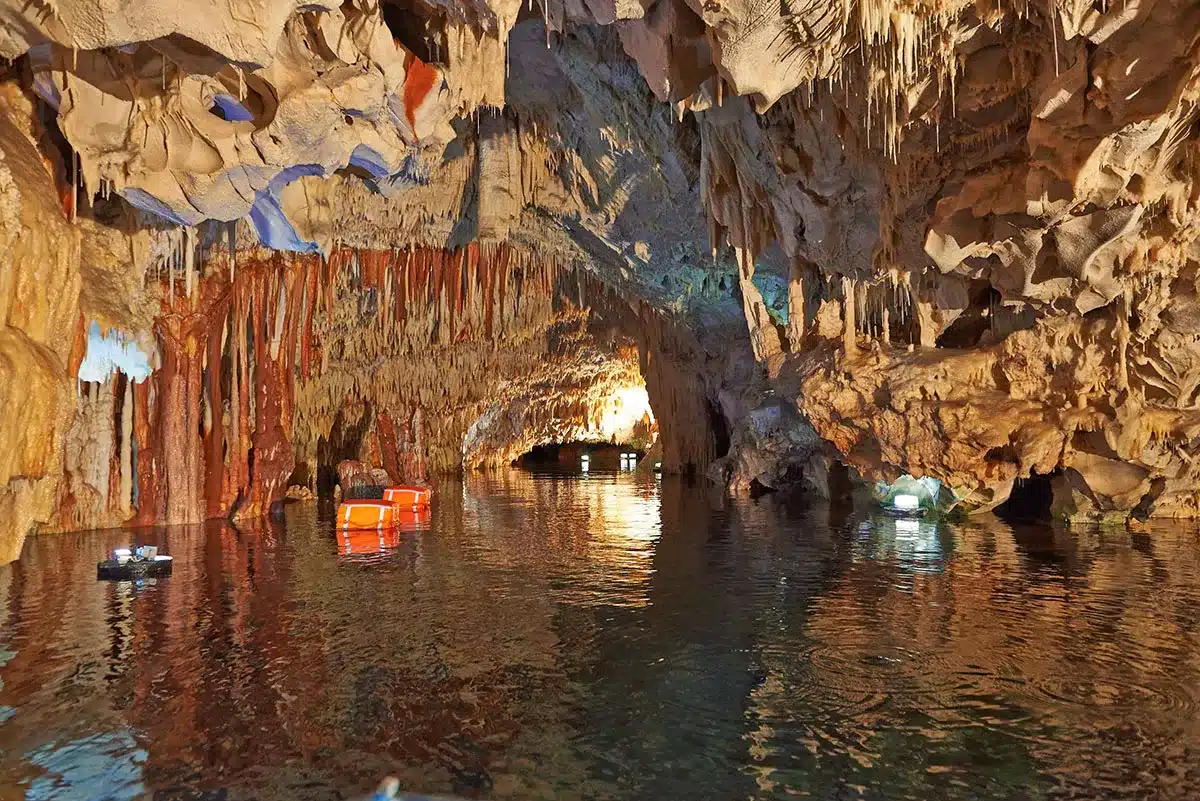
The Diros Caves are an impressive natural phenomenon on the west coast. It's worth taking a boat ride inside the caves, with their abundance of stalagmites and stalactites glowing with colourful lights. The whole boat trip lasted about an hour, and boy, it was nice to get out of the scorching sun and into a milder atmosphere.
# Kardamyli
It is a beautiful stop with the Ottoman fortress towering over the town and one of the most beautiful bays on the peninsula.
# Limeni
This is a tiny village on the coast bursting with Greek seaside charm. There are only a few places to stay in the village, but they range from small guesthouses to luxury hotels. The waters in the bay are beautiful, even on a cloudy day.
There are limited places to eat, but there are plenty of dining options nearby in the town of Areopolis. An overnight stay in Limeni should be seriously considered on any road trip to the Peloponnese.
# Vathia
Vathia is an abandoned town at the southernmost tip of the Mani peninsula. It's small and easy to wander through in 20 minutes. You can even step inside the old houses and see what people left behind when they abandoned their homes.
What makes this village special are its tower houses. The architectural style of the village is very cool. It's a bit out of the way, but definitely worth a visit if you manage to make it down to the Mani peninsula.
Archaeological Sites of the Peloponnese
Greece has an epic history, and the Peloponnese is filled with historical archaeological sites. Most of these sites are very close to inhabited areas, and you can easily see them without straying too far from the main roads.
# Acrocorinth
Acrocorinth (and Ancient Corinth) are the remains of an ancient hill-top fortress used by the ancient Corinthians. It's an easy hike to the top of the mountain. Ancient Corinth is the ruins of the old city at the bottom of the mountain.
Many people visit Acrocorinth as a day trip from Athens, as it's so close to the city. During your road trip, the site is easy to see in an hour or two by driving south on National Road 2 towards the other destinations on this list.
# Ancient Sparta
This is Sparta! Literally, this is Sparta. Unfortunately, not much remains of Ancient Sparta today. The ruins aren't as impressive as many other monuments in Greece. Although it was nice for me personally to see the land of my ancestors, if you were to skip any of the ancient sites, this is probably the one to omit.
# Messene
Messene is an expansive ancient village that is less visited than some of the peninsula's other archaeological sites, due to its more remote location. It is best known for its large amphitheatre. As far as archaeological sites in Greece go, this is one of the less crowded. Here you'll certainly have room to stretch your legs.
# Ancient Epidaurus
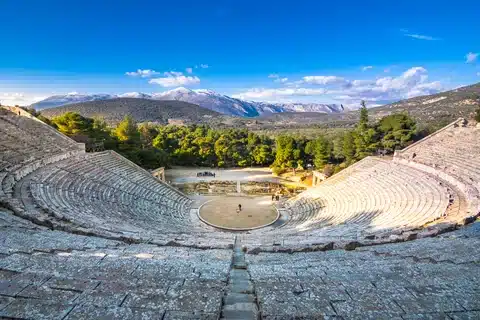
The ancient theatre of the Sanctuary of Asclepius in Epidaurus is one of the most visited ancient sites in Greece, due to its relatively close proximity to Athens. The site of Epidaurus is essentially an ancient sanctuary dedicated to the Greek god of medicine.
It features a massive amphitheatre built in 340 BC, as well as temples, stadia, and a museum. But most importantly, Epidaurus boasts a huge amphitheatre that is still in excellent condition for being built 2400 years ago. In fact, it still hosts concerts. If you don't have much time, you can stay only at the amphitheatre. It is truly special.
# The Ancient Theatre of Epidaurus
One of the many gems of the Peloponnese, the Ancient Theatre of Epidaurus is such a great place to experience exceptional acoustics. The theatre is located within a larger site, filled with ruins, informative signs, and of course, a small museum. Two hours are enough to explore the entire landscape.
# Mycenae
Mycenae comprises the ruins of another expansive ancient city on the peninsula. Unlike some of the other sites mentioned above, this one receives many visitors. The ancient city dates back to the second millennium BC and even had a population of around 30,000 at one point, around 1350 BC. Mycenae will take at least a few hours to properly explore and truly get a sense of what life was like 3500 years ago!
# Pylos Castle
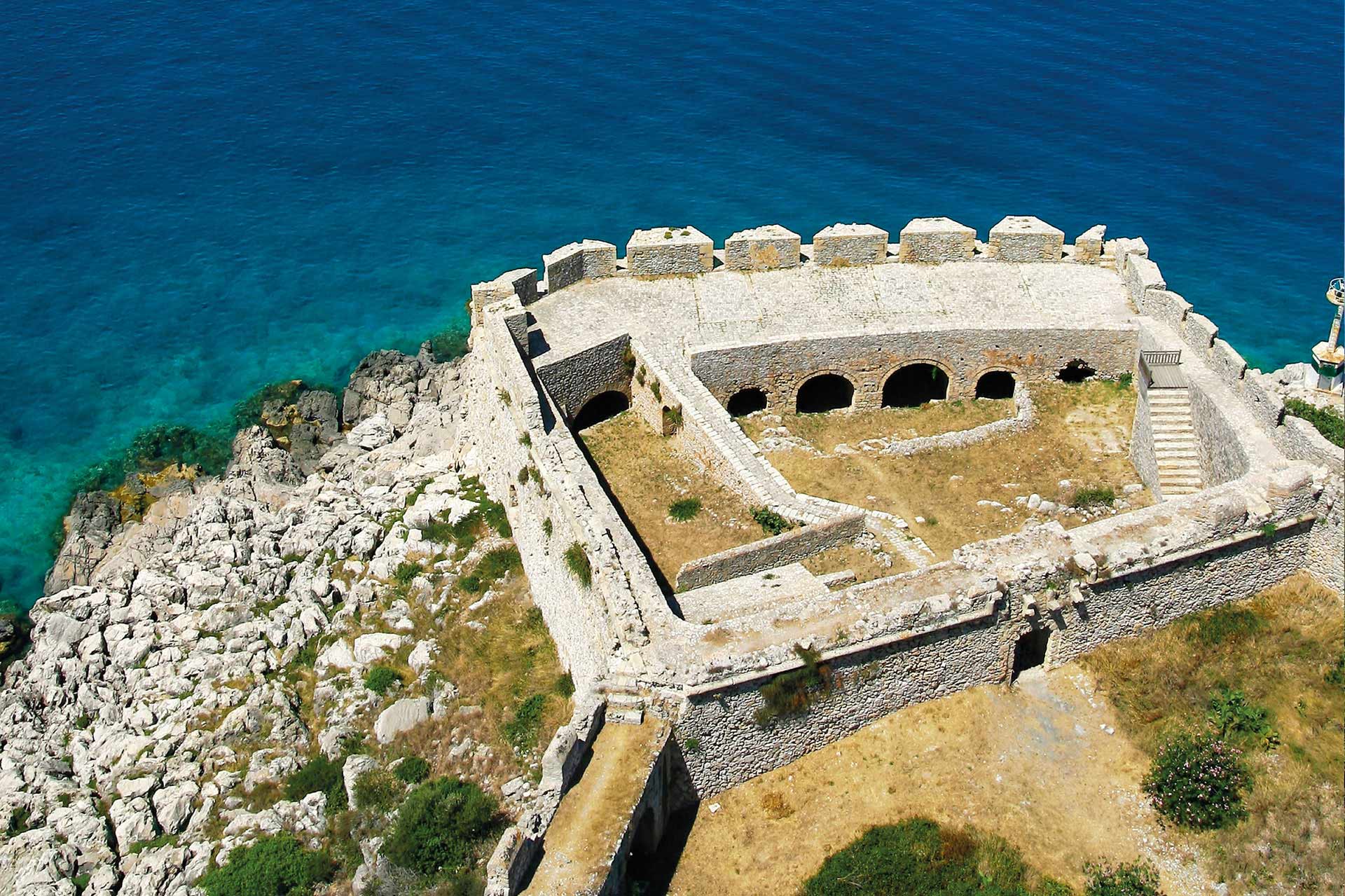
Pylos Castle, in the southern part of the peninsula, is an impressive fortress and museum. Built by the Ottomans, it offers commanding views, which I'm sure was the strategic reason for its existence. You can climb the ramparts, visit the museum exhibits, and enjoy the scenery.
# Methoni Castle
The castle grounds are extensive, but the absolute best part is the fortress itself. It's located on a small island, which you have to cross a bridge to enter, and then you can climb the tower for a magnificent view.
# Palace of Nestor
A small site, the Palace of Nestor is a ruin of a Mycenaean palace located near Chora. The main area is covered, and you can walk up to the viewing platforms to read the signs and get a good understanding of life 3000 years ago.
# Archaeological site of Mycenae
Located right at the top of an impressive Peloponnesian mountain, the archaeological site of Mycenae features impressive ruins, which have strong roots in Greek mythology. For example, scholars believe that this is where Helen, famous from the Trojan War, made her home.
One of the most interesting parts of the site is the burial grounds. It is likely that many kings were buried in the area, and it is rumoured that even King Agamemnon was also interred there. It's a very busy and popular site, but despite the crowds, Mycenae has a lot to offer. From climbing the path and entering through the famous Lion Gate to wandering through the artists' quarter and much more, it's well worth a trip.
# Ancient Messene
One of the most impressive areas is where the old gymnasium and stadium are located. Looking at the stadium now is awe-inspiring, so I can't imagine what it would have been like for people a few thousand years ago. It was enormous.
# Olympia
You can learn all about it here. Make sure to run in the Olympic Stadium, which dates back over 1300 BC. It might not look like much, but the knowledge that the original Olympic Games were held on this piece of rough ground should be enough to get your heart racing.
# Archaeological site of Olympia
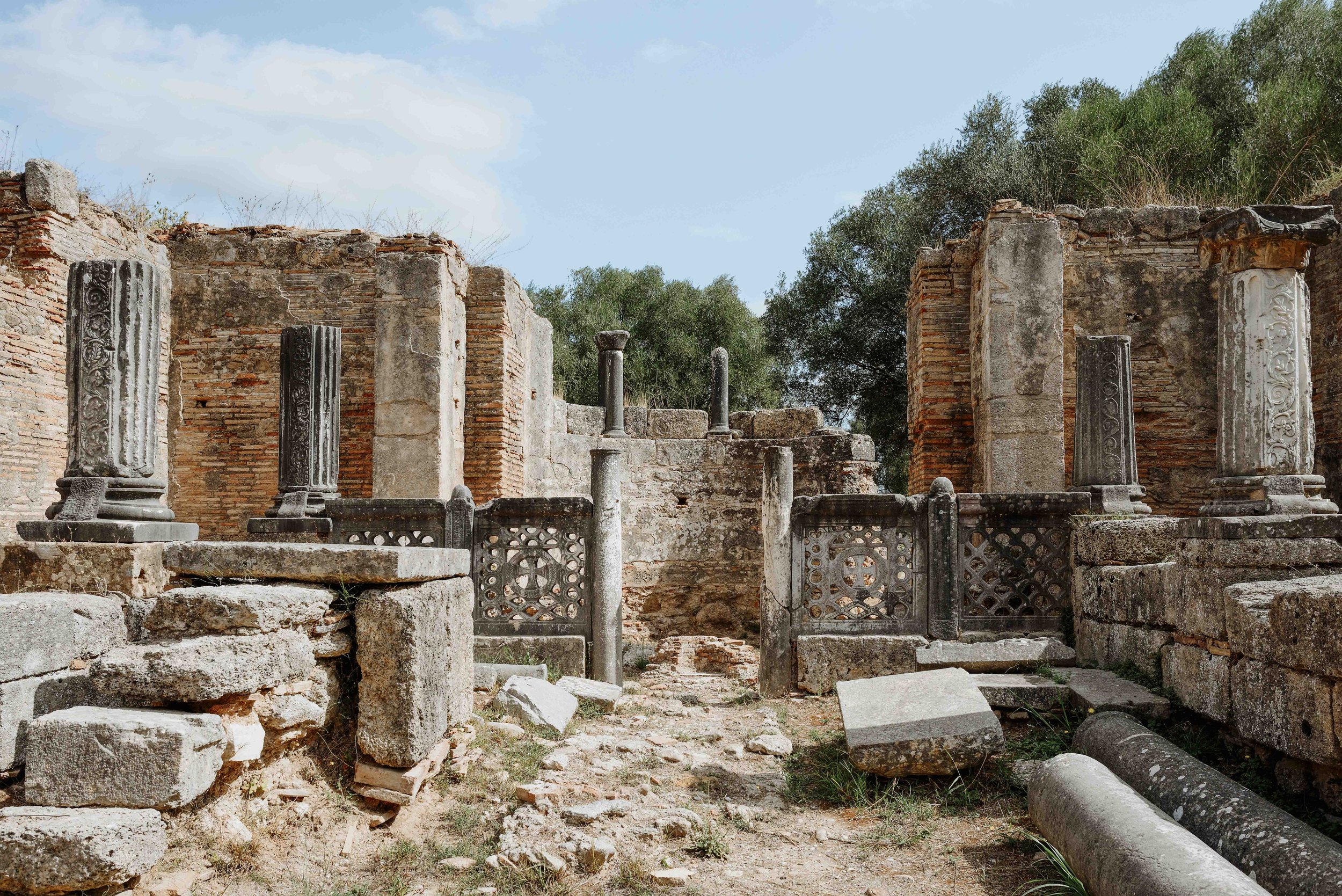
An expansive site, ancient Olympia is famous for being the birthplace of the Olympic Games. Having hosted games in the area as early as 775 BC, they took place there every four years for approximately 12 centuries...
Wander through the ruins and visit the Temple of Zeus. It's easy to spend a day here, as there's a lot of walking and reading to do.
# Delphi
Although not located in the Peloponnese, we will also include Delphi. Delphi is one of the most famous archaeological sites in the world and is located on the other side of the Corinthian Gulf.
Home to the Oracle of Delphi, the ancient Greeks believed that Delphi was the centre of the universe. It's a bit out of the way to get there from the Peloponnese, but you could incorporate it into the last few days of a road trip on your way back to Athens. It's situated on a mountainside in a beautiful valley. There is also a modern town of Delphi where you can spend a night.
The list of archaeological sites in this part of Greece goes on and on. You probably won't even be able to fit all of the above into your schedule, so pick and choose. You now understand why a road trip to the Peloponnese is a paradise for history lovers!
Beaches of the Peloponnese
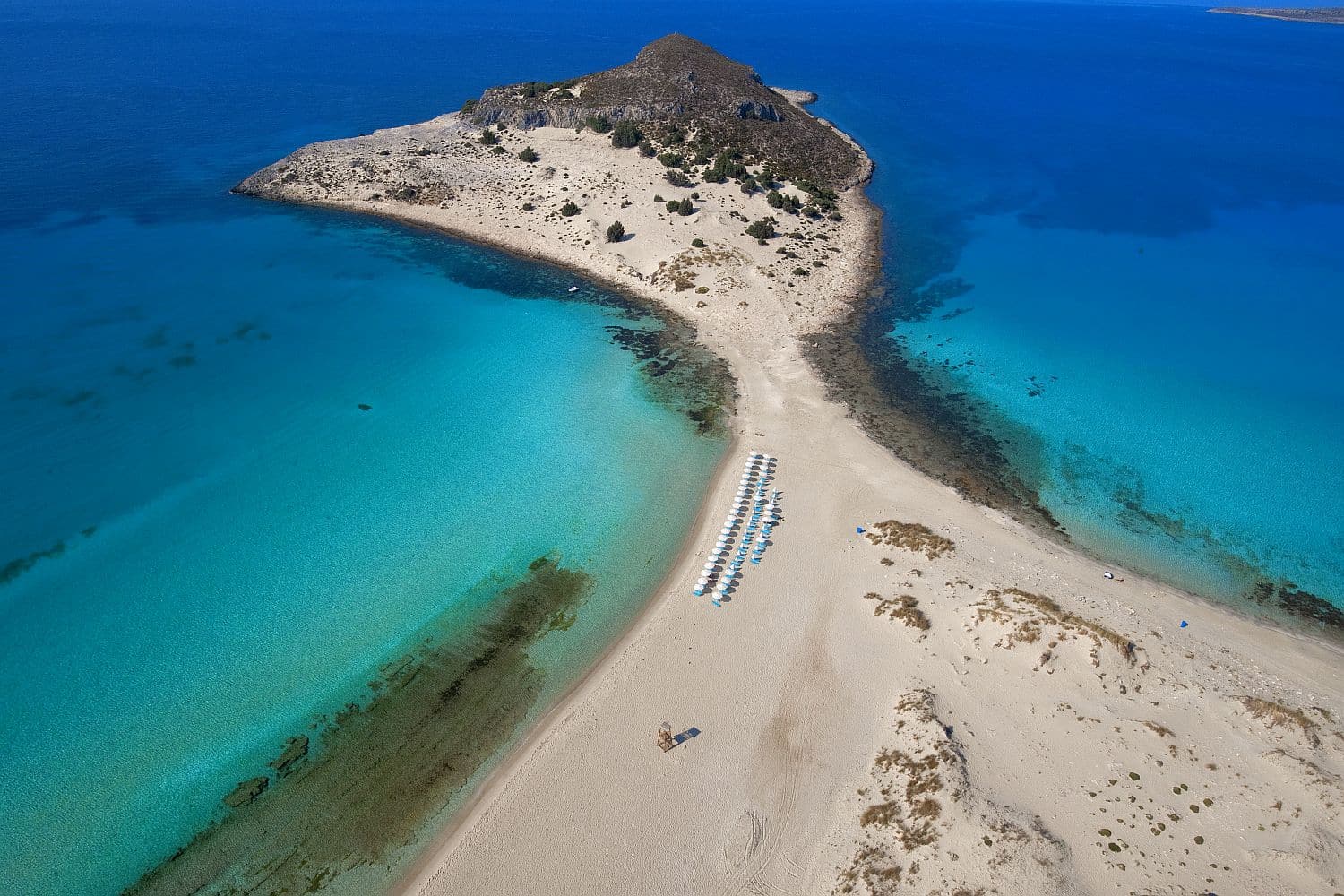
Although the Peloponnese is better known for its historical monuments, there is no shortage of beautiful beaches to relax on between visits to ancient ruins. Below you'll find a list of some of the best and most beautiful beaches in the Peloponnese that I've compiled.
- Voidokilia Beach: One of the most popular beaches in the Peloponnese, Voidokilia is known for its wild nature. The beach is always busy, mainly because it is such a beautiful spot.
- Simos Beach: You'll need to take a small ferry to the island of Elafonisos, but this beach boasts those shallow, clear Mediterranean waters that dreams are made of. You could spend your entire week here and leave completely satisfied.
- Limeni: There isn't really a beach in Limeni, but the waters are so nice that you'll want to jump straight in from the rocks.
- Dimitrios Shipwreck Beach: Not as beautiful as the others, but the cool thing here is that you can swim inside an old rusted shipwreck.
- Lepitza Beach: A quiet little beach hidden in a cove not far south of Nafplio.
- Tolo Beach: Near Nafplio, the waters here are wonderful. It's more commercial, but you'll never be too far from somewhere to grab a cocktail.
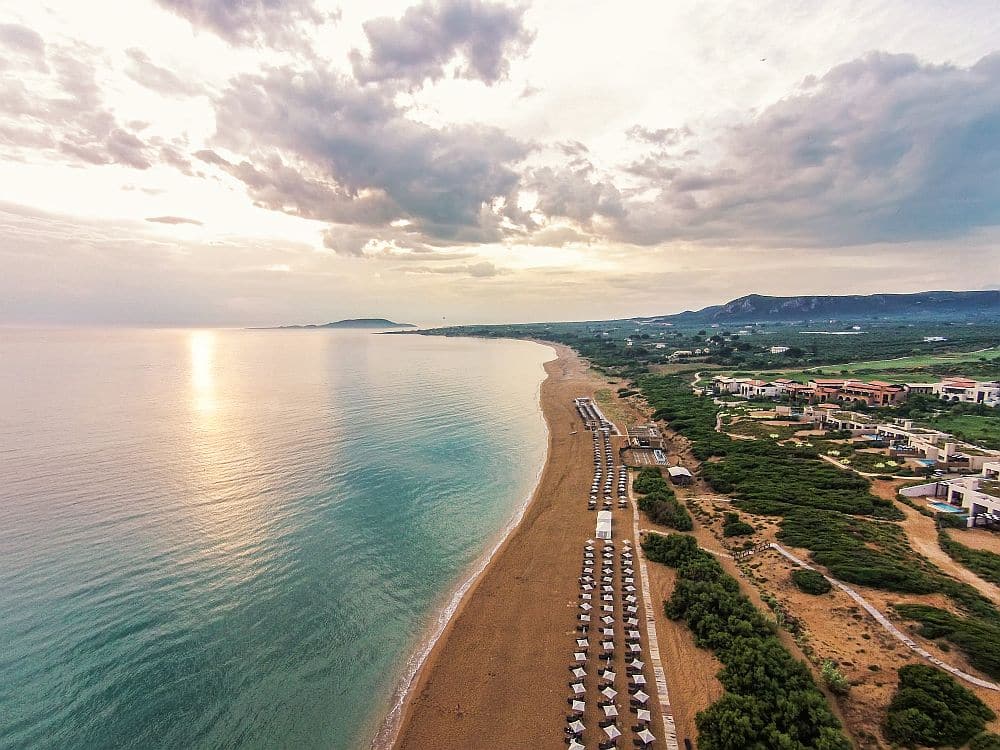
Of course, there are hundreds more beautiful beaches in the Peloponnese, but these will get you started. If I had to pick one beach to go to, it would probably be Simos.
As you drive from one corner of the Peloponnese to another, your journey reveals the rich palette of colours, sounds, and flavours that define this enchanting part of Greece. From the golden shores of Kalamata to the historic ruins of Sparta, and from cosmopolitan Patras to picturesque and historic Nafplio, the Peloponnese offers a travel experience that surpasses all expectations.
Every stop on this road trip is an opportunity to get acquainted with the culture, history, and traditions that make the Peloponnese a unique place. Here, ancient monuments coexist harmoniously with modern life, where markets thrive next to Byzantine churches and mediaeval castles. Every route between towns and villages unfolds unique landscapes, from olive groves and vineyards to mountainous scenery and azure coasts.
The Peloponnese is not just a destination; it's an experience that will captivate, educate, and inspire you. Your journey may come to an end, but the memories, flavours, and images you collect along the way will stay with you forever.

Η συντακτική ομάδα
Travelo Team
Συντακτική ομάδα του Travelo.gr
Πολυταξιδεμένη συντακτική ομάδα με πάνω από 15 χρόνια στον ταξιδιωτικό δημοσιογραφικό χώρο και περισσότερους από 45 προορισμούς σε Ελλάδα και Ευρώπη. Έχουμε διανυκτερεύσει σε εκατοντάδες καταλύματα — από μικρά οικογενειακά ξενοδοχεία και παραδοσιακούς ξενώνες μέχρι resorts 5 αστέρων — και δοκιμάζουμε προσωπικά περιοχές, μεταφορές και υπηρεσίες πριν προτείνει κάτι.
- 45+ προορισμοί επί τόπου
- 500+ καταλύματα σε αξιολόγηση
- 15 χρόνια ταξιδιωτικής αρθρογραφίας
Πώς δουλεύουμε: κάθε οδηγός βασίζεται σε επιτόπια εμπειρία, διασταύρωση αξιολογήσεων επισκεπτών και έλεγχο διαθεσιμότητας/τοποθεσίας κάθε καταλύματος. Ορισμένοι σύνδεσμοι είναι συνεργατικοί (affiliate) — αν κάνετε κράτηση μέσω αυτών, στηρίζετε το Travelo.gr χωρίς καμία επιπλέον χρέωση για εσάς, και δεν επηρεάζουν τις προτάσεις μας. Τελευταία ενημέρωση οδηγού: 22 Σεπτεμβρίου 2026.