Where to Stay in Kyoto: Areas and Hotels
The best areas to stay in Kyoto, from Gion to the station, with suggestions for every budget.
Από Travelo Team
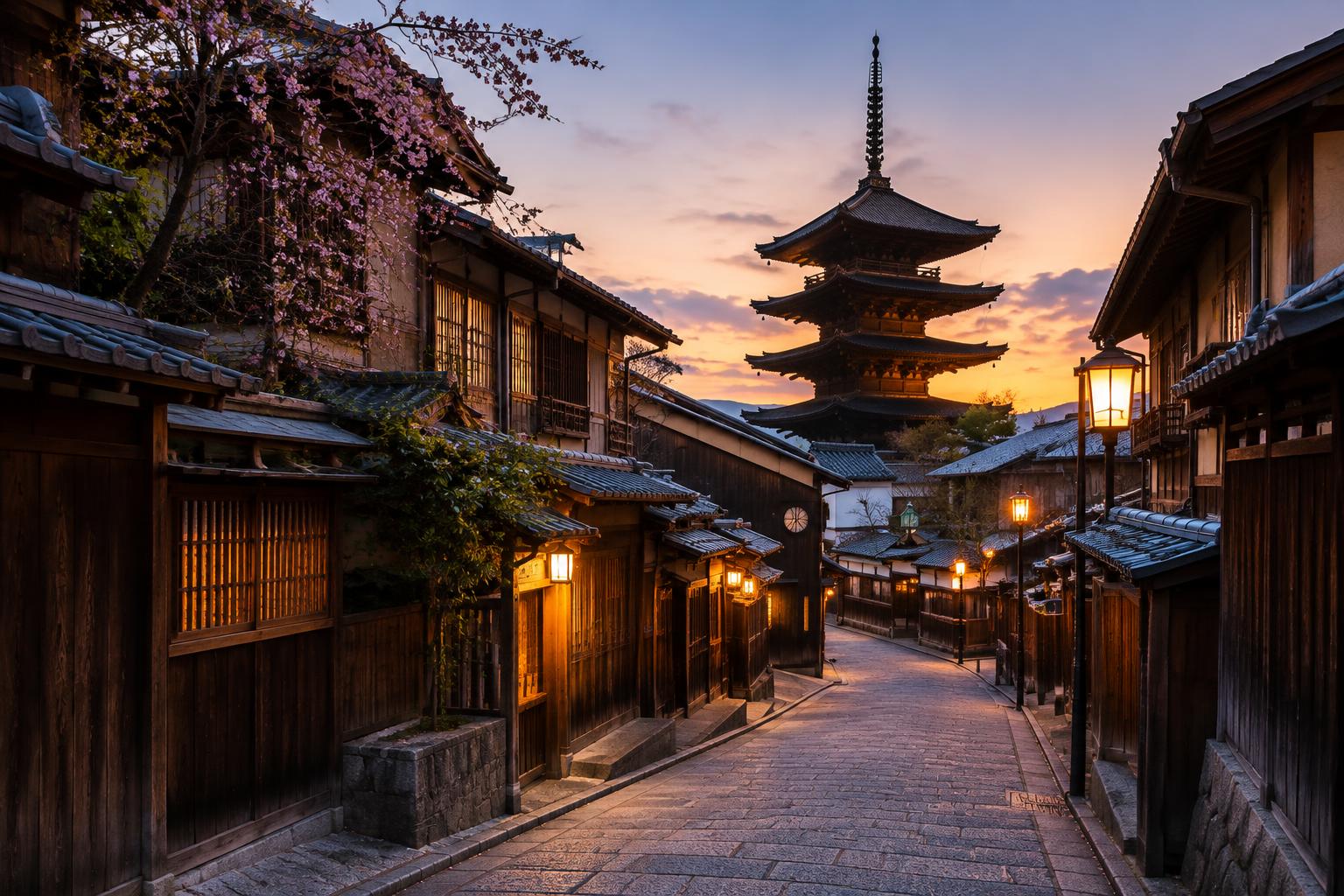
If it's your first time in Kyoto, the best base is around the station or in the Kawaramachi area, in the city centre, because it keeps you close to trains, buses, and most attractions, with only a few minutes' travel. If you're travelling on a tighter budget, Kyoto Station has the most affordable accommodation options, which are clean and practical, without sacrificing comfort.
For couples seeking atmosphere, Gion and Higashiyama offer the charm of the old town, with narrow streets, traditional houses, and guesthouses with character. Families usually prefer the centre, around Kawaramachi, where there are rooms with more space, supermarkets, and easy access to public transport without many changes.
Arashiyama, to the west, is only worthwhile if you want to wake up amidst the bamboo forest and the river, but it's further from other points of interest. Below, we analyse each area, with advantages, disadvantages, and specific hotels you can book.
Why Kyoto is a different journey
Kyoto was the capital of Japan for over a thousand years, from 794 to 1868, and this long history is evident everywhere, from the thousands of temples and shrines to the traditional wooden houses called machiya. Unlike Tokyo, which is a city oriented towards the future, Kyoto built its identity around preservation. The city escaped the bombings of World War II, so many buildings and neighbourhoods retain their authentic form, something rare for a major Japanese city.
Well-known attractions include the golden Kinkaku-ji temple, the Fushimi Inari shrine with its thousands of red torii gates, the Kiyomizu temple with its wooden scaffolding overlooking the city, and the bamboo forest in Arashiyama. The Gion district remains the most famous spot to see geisha and maiko walking in the evening, while Nishiki Market, also known as 'Kyoto's Kitchen', is ideal for sampling local products.
The best time to visit is spring, from late March to mid-April, when the cherry blossoms are in bloom, and autumn, from mid-November to early December, when the red and orange maple leaves adorn the temples. During these periods, accommodation prices rise significantly, and you should book a room several months in advance. Summer is hot and humid, while winter is mild but with a chance of snow, which gives the temples a distinctive appearance.
Getting around Kyoto is mainly by bus, as the metro covers a limited area. A day bus pass is convenient if you plan to visit many spots in one day. Taxis are available but significantly more expensive than in Greece. Many visitors combine Kyoto with Tokyo and Osaka within the same trip, as the Shinkansen connects the cities in a short time, so it's worth reading our guide on where to stay in Tokyo if you're adding the capital to your itinerary.
Most visitors arrive in Kyoto via Kansai International Airport, near Osaka, or Itami Airport. From there, the city is about seventy to ninety minutes away by train. If your trip also includes a stop in nearby Osaka, check out our suggestions for accommodation in Osaka, a city with a very different, more vibrant character than Kyoto.
Gion and Higashiyama: the old town
Gion is Kyoto's most photographed neighbourhood, with its traditional wooden buildings on Hanamikoji Street and the narrow canals of Shirakawa. It's the area where geisha and maiko are still active, and in the evening, when the numerous daytime tourists leave, it acquires a quiet, almost mysterious atmosphere. Neighbouring Higashiyama, with its cobbled streets leading to Kiyomizu Temple, has a similar character, full of traditional shops, tea houses, and guesthouses in old houses.
This unique area is ideal for couples and those who want to experience the atmosphere of old Kyoto without compromise, as well as for visitors returning to the city who want something more specialised. However, it's not the most practical choice for a first visit, as it's far from the main station and the streets are narrow, which can be difficult if you're carrying large suitcases. In the evening, dining and entertainment options are more limited compared to the city centre.
1. APA Hotel Kyoto Gion Excellent
A modern hotel next to Yasaka Shrine, with easy walking access to all of Gion. It stands out for its clean, functional room design and buffet breakfast.
- Average cost: 90 to 140 € per night
- Ideal for: couples, first visit
2. AKARI Kyoto Gion
A small, welcoming accommodation in Gion, a stone's throw from the alleys with traditional buildings. The breakfast is rich, and the staff are particularly helpful.
- Average cost: 100 to 160 € per night
- Ideal for: couples
3. Yoin Hotel Kyoto Gion
A hotel with modern Japanese design and spacious rooms, which is rare for the area. It's within walking distance of most of the old town's attractions.
- Average cost: 140 to 210 € per night
- Ideal for: couples, families with teenagers
4. Kyoto Higashiyamaso
A traditional ryokan-style accommodation near Kiyomizu Temple, with a private onsen and tatami rooms. A more authentic accommodation experience, away from standardised chain hotels.
- Average cost: 180 to 260 € per night
- Ideal for: couples seeking a traditional experience
5. M's Inn Higashiyama
An affordable but clean accommodation, next to three temples, with easy access to metro and buses. A good option for those who want to stay in the neighbourhood without paying ryokan prices.
- Average cost: 70 to 110 € per night
- Ideal for: travellers on a moderate budget
Kyoto Station: the practical base
The area around Kyoto Station is the most practical choice for a first visit. The station is a huge building with shopping centres, restaurants, and supermarkets, and from there most buses depart that take you to the main attractions, as well as the Shinkansen for Tokyo and Osaka. The neighbourhood doesn't have much character, but it gains in practicality and price.
It is ideal for travellers with a tight schedule, for those travelling with large luggage, or who want easy access to early morning trains. The downside is that you don't immediately get the feel of traditional Kyoto around you, so a short journey is always required to reach the temples.
6. ibis Styles Kyoto Station
A modern hotel right opposite the station, with comfortable rooms and a good breakfast. A practical choice for those who want to start and end their day near transport links.
- Average cost: 80 to 120 € per night
- Ideal for: first visit, families
7. Hotel Keihan Kyoto Grande
A large hotel with an internal Japanese garden, a few minutes' walk from the station. The rooms are spacious by Japanese standards, which is useful for families.
- Average cost: 100 to 150 € per night
- Ideal for: families
8. Kyoto Century Hotel
A classic hotel right outside the station, with an impeccable breakfast buffet and affordable prices for its service level. A good base for those who want comfort without excessive cost.
- Average cost: 90 to 140 € per night
- Ideal for: couples, business travellers
Kawaramachi and the centre: easy access everywhere
Kawaramachi is Kyoto's central shopping district, with Nishiki Market, dozens of restaurants and shops, and direct access to buses in all directions. It's the most balanced option between the old town atmosphere and the practicality of the station, which has made it quite popular in recent years.
It suits families, travellers who want food and shopping nearby in the evening, and those who want a base with easy access to both Gion and western Kyoto. The only caveat is that on Saturday evenings the area becomes quite busy, which might not suit those seeking quiet.
9. Mitsui Garden Hotel Kyoto Kawaramachi Jokyoji
A hotel with a distinctive design, a public bath on the rooftop, and city views. It's within walking distance of Nishiki Market and the central shops.
- Average cost: 130 to 190 € per night
- Ideal for: couples
10. Len Kyoto Kawaramachi
A stylish guesthouse with private rooms and dormitories, next to the Kamo River, with a lively communal area and a café on the ground floor. A good option for younger travellers on a smaller budget.
- Average cost: 50 to 90 € per night
- Ideal for: solo travellers, small budget
Arashiyama: nature and tranquillity
Arashiyama, in Kyoto's western suburbs, is famous for its bamboo forest, Togetsukyo Bridge, and the Hozugawa River. It's an area with a slower pace, ideal for those who want to wake up away from the noise and enjoy the sunset over the river without the crowds of day-trippers who visit the area for a few hours.
It suits couples looking for romance and travellers who have already visited Kyoto and want something more peaceful. The downside is the distance, about twenty-five to thirty minutes by train from the centre, which means more travel time if you plan to visit Gion or the station daily.
11. Hotel Binario Saga Arashiyama
A hotel next to Saga railway station, with good breakfast and a public bath. A few minutes' walk from the bamboo forest and Togetsukyo Bridge.
- Average cost: 90 to 130 € per night
- Ideal for: couples
12. Hotel Arashiyama
A hotel with views of the Hozugawa River, free bicycles, and traditional Japanese breakfast. One of the area's most popular choices thanks to its views and quiet location.
- Average cost: 140 to 220 € per night
- Ideal for: couples, romantic getaway
Area Comparison
| Area | Ideal for | Price range/night | Distance from centre |
|---|---|---|---|
| Gion | Couples, old town atmosphere | 90 to 210 € | In the centre |
| Higashiyama | Traditional experience, couples | 70 to 260 € | 10 minutes' walk |
| Kyoto Station | First visit, families | 80 to 150 € | 15 minutes by bus |
| Kawaramachi | Families, practicality | 50 to 190 € | In the centre |
| Arashiyama | Quiet, romance | 90 to 220 € | 25 to 30 minutes by train |
Practical information for your stay
The nearest major airport is Kansai, south of Osaka, from where you can reach Kyoto by train in about seventy-five minutes. Alternatively, many domestic flights land at Itami Airport, closer to Osaka, with a similar total transfer time to Kyoto. If you are flying from Greece, you will almost always have at least one stopover, usually in a European or Middle Eastern city, so the total travel duration usually exceeds fifteen hours.
Within the city, buses cover most of your needs, with frequent routes to the main attractions. The two metro lines mainly serve north-south and east-west travel in the centre but do not cover all points of interest. Many visitors buy an IC card for easy payment on buses and trains without needing to look for change every time.
Accommodation prices vary significantly depending on the season. In spring, during cherry blossom season, and in autumn, with the colours of the leaves, rooms can cost double that of winter, while in summer, due to the humidity, prices remain lower. Generally, a decent double room costs from 70 to 150 euros in winter and 130 to 250 euros in spring or autumn in central areas.
Before you leave, make sure you have organised your luggage properly, especially if you will also be travelling to other Japanese cities by Shinkansen, where space for large suitcases is limited. See our tips for packing your bags before your trip. It's also a good idea to check what applies in case of a flight delay or cancellation, as connections are crucial on such long journeys, and remember how much time in advance you need to be at the airport before your flight.
It is also worth arranging your insurance before such a long journey. Medical care in Japan is expensive for non-residents, so it's worth reading why private health insurance is more essential than ever before travelling so far. In case an airline denies you boarding due to overbooking, also inform yourself about your rights regarding denied boarding on a flight.
If you plan to combine Kyoto with other cities, Tokyo is about two and a half hours away by Shinkansen, while Osaka is just fifteen minutes. Many travellers choose to stay in both cities, so if you are looking for more details about the capital, see the travel guide to Tokyo with suggestions for attractions and transportation.
Frequently Asked Questions
Which is the best area for a first visit to Kyoto?
The area around Kyoto Station or Kawaramachi in the centre are the most practical choices, as they put you close to buses, trains, and most attractions.
Where do couples stay in Kyoto?
Gion and Higashiyama offer the most romantic atmosphere, with traditional buildings and quiet alleys, while Arashiyama suits those who want to wake up close to nature.
Which area is the most affordable for accommodation?
The station area and the eastern edge of Kawaramachi have the most affordable prices, with rooms starting from approximately 50 to 90 euros in winter.
How many days are needed for Kyoto?
Three to four days are enough for the main attractions, but if you want to see Arashiyama and lesser-known temples at a more relaxed pace, five days are ideal.
Is a car needed in Kyoto?
No, buses and trains cover all transportation needs, and driving within the city is difficult due to narrow streets and limited parking.
When is the best time to stay in Kyoto?
Spring, with the cherry blossoms, and autumn, with the colours of the leaves, are the most popular periods, although accommodation prices rise significantly then.
How far is Kyoto from Osaka and Tokyo?
Osaka is about fifteen minutes away by Shinkansen, while Tokyo is about two and a half hours, making it easy to combine the cities in the same trip.

Η συντακτική ομάδα
Travelo Team
Συντακτική ομάδα του Travelo.gr
Πολυταξιδεμένη συντακτική ομάδα με πάνω από 15 χρόνια στον ταξιδιωτικό δημοσιογραφικό χώρο και περισσότερους από 45 προορισμούς σε Ελλάδα και Ευρώπη. Έχουμε διανυκτερεύσει σε εκατοντάδες καταλύματα — από μικρά οικογενειακά ξενοδοχεία και παραδοσιακούς ξενώνες μέχρι resorts 5 αστέρων — και δοκιμάζουμε προσωπικά περιοχές, μεταφορές και υπηρεσίες πριν προτείνει κάτι.
- 45+ προορισμοί επί τόπου
- 500+ καταλύματα σε αξιολόγηση
- 15 χρόνια ταξιδιωτικής αρθρογραφίας
Πώς δουλεύουμε: κάθε οδηγός βασίζεται σε επιτόπια εμπειρία, διασταύρωση αξιολογήσεων επισκεπτών και έλεγχο διαθεσιμότητας/τοποθεσίας κάθε καταλύματος. Ορισμένοι σύνδεσμοι είναι συνεργατικοί (affiliate) — αν κάνετε κράτηση μέσω αυτών, στηρίζετε το Travelo.gr χωρίς καμία επιπλέον χρέωση για εσάς, και δεν επηρεάζουν τις προτάσεις μας. Τελευταία ενημέρωση οδηγού: 10 Σεπτεμβρίου 2026.
Πού να μείνω — Επίσης