Where to stay in Tokyo: areas and hotels
Shinjuku, Shibuya, Asakusa or Ginza? A guide to the best areas to stay in Tokyo.
Από Travelo Team
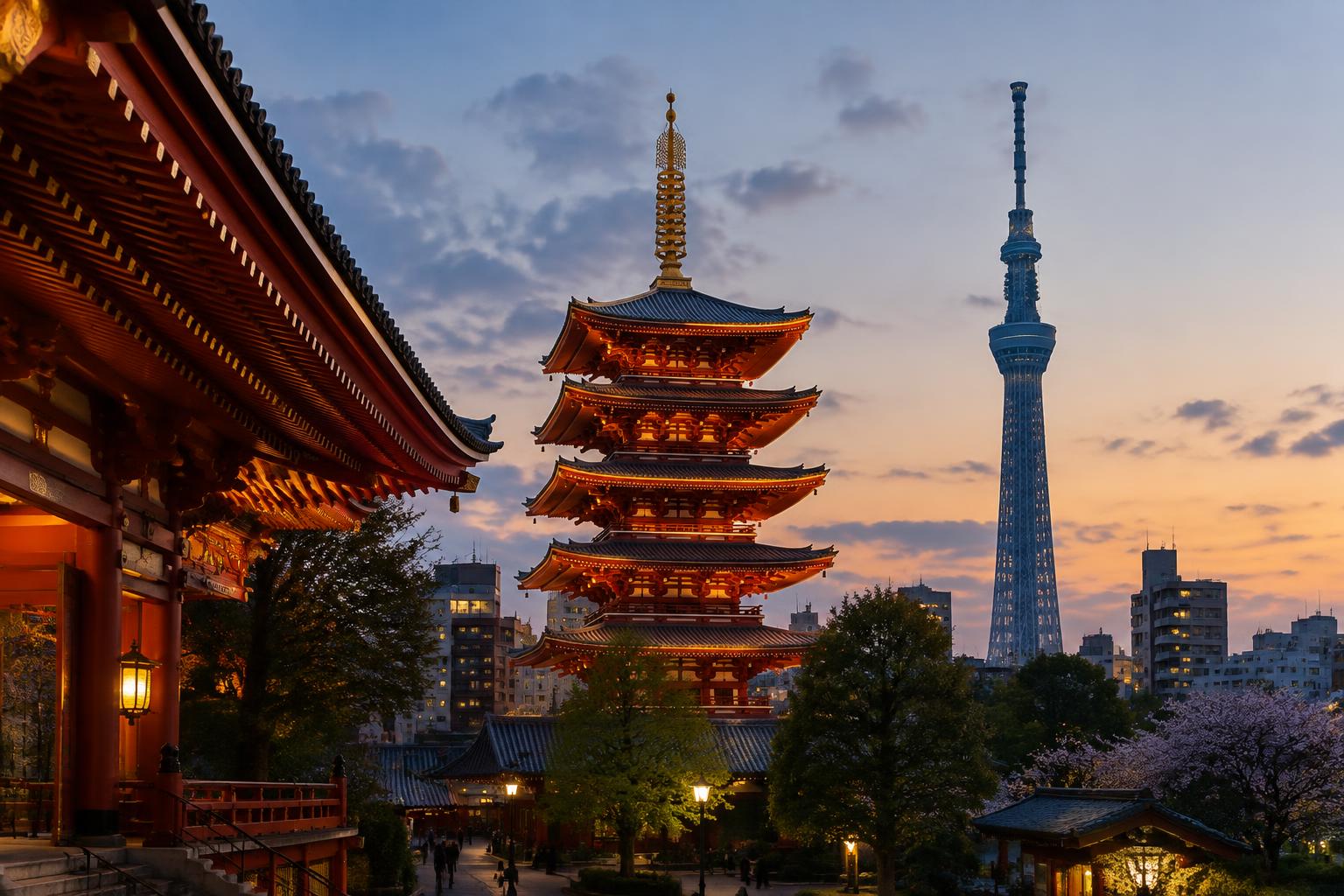
If you're visiting Tokyo for the first time, the most practical option is to stay in Shinjuku or Shibuya, as they are directly connected to most of the city's train and metro lines, offering easy access everywhere without many changes. If you're travelling on a budget, Asakusa offers cheaper rooms in a neighbourhood with character, close to temples and traditional alleyways.
For couples looking for something more elegant, Ginza combines luxury hotels with high-end restaurants and department stores, while those travelling with children will be more comfortable in Ueno, home to the eponymous park, a zoo, and many museums within easy reach.
Tokyo is vast, but the train network is so dense that choosing an area is more about the neighbourhood's character than its distance from the centre. Below, we analyse five areas, what each offers, and which hotels are worth checking out.
A few words about Tokyo
Tokyo began as the small fishing village of Edo and was transformed into Japan's capital in 1868 when Emperor Meiji moved his seat there. Within a few decades, the city transitioned from a feudal society to an industrial power, survived the devastating 1923 earthquake, and was almost entirely rebuilt after the bombings of World War II. This explains why you'll rarely see very old buildings in the city centre, with the exception of some temples and gardens faithfully restored to their original form. The current image of Tokyo, with skyscrapers next to wooden houses and neon signs above Shinto shrines, is a result of this rapid but careful reconstruction. It's worth visiting the Senso-ji temple in Asakusa, the Imperial Palace near Tokyo Station, and the Yanaka district, which escaped the bombings and still retains streets from the 1920s. The best time to visit is spring, in March and April, when the cherry blossoms are out, and autumn, in November, when the maple leaves turn red in the gardens. Summer is humid and very hot, while winter remains mild but with fewer daylight hours. Getting around is almost exclusively by train. Suica or Pasmo cards are easily topped up at any station machine and can be used on metros, buses and even in vending machines. Taxis are expensive and only useful late at night when the lines have closed. From Narita Airport to the city centre takes about sixty to ninety minutes by train, while from the closer Haneda Airport, the journey is usually under forty minutes.
The best areas to stay
Shinjuku: for a first-time visit to Tokyo
Shinjuku is the city's busiest transport hub and simultaneously a neighbourhood with everything, from office skyscrapers to the narrow Omoide Yokocho alley with its tiny izakayas. It's ideal for those who want easy access to every part of Tokyo without many train changes. The downside is the traffic and noise, especially near the east exit of the station.
1. APA Hotel Shinjuku Gyoemmae
Located near Gyoen Park, a few minutes' walk from Shinjuku Station, it offers small but functional rooms with city views.
- Average cost: 75 to 110 € per night
- Ideal for: couples and solo travellers
2. Kadoya Hotel
In the heart of Nishi Shinjuku, next to shops and restaurants, with comfortable rooms and English-speaking staff.
- Average cost: 70 to 100 € per night
- Ideal for: first-time visitors to Tokyo
3. JR Kyushu Hotel Blossom Shinjuku
A few minutes from the station, with comfortable rooms and excellent service, ideal as a base for daily excursions in the city.
- Average cost: 90 to 130 € per night
- Ideal for: families and couples
Shibuya: for youthful energy
Shibuya is synonymous with the famous pedestrian crossing and youth fashion, but it also hides quieter alleys around Yoyogi Park. It suits those who want nightlife, shopping centres and easy connections to Harajuku and Ebisu. It can be quite a noisy area at night.
4. Hotel Indigo Tokyo Shibuya
A modern hotel with a rooftop terrace and city views, a few minutes' walk from Shibuya Crossing.
- Average cost: 140 to 190 € per night
- Ideal for: couples seeking style
5. Shibuya Excel Hotel Tokyu
Directly connected to Shibuya Station, with restaurants on the 25th floor and panoramic views of the intersection.
- Average cost: 130 to 175 € per night
- Ideal for: travellers who want a convenient location
6. Shibuya Tokyu REI Hotel
A few minutes from Shibuya's shopping centre, with simple but clean rooms and a good breakfast.
- Average cost: 95 to 130 € per night
- Ideal for: travellers on a moderate budget
Asakusa: for budget holidays
Asakusa retains the most traditional image of Tokyo, with Senso-ji temple, the Nakamise shopping street, and cheaper hotels compared to the city centre. It suits budget travellers who don't mind a slightly longer journey to Shibuya or Ginza.
7. APA Hotel Asakusa Kaminarimon
Right next to the famous Kaminarimon Gate, with comfortable rooms and views of the Sumida River from the upper floors.
- Average cost: 65 to 95 € per night
- Ideal for: families and couples
8. Richmond Hotel Asakusa
A clean and comfortable hotel near Nakamise Dori, with spacious rooms by Japanese standards.
- Average cost: 80 to 110 € per night
- Ideal for: families
9. Super Hotel Asakusa
A few minutes from Senso-ji temple, offering simple but quality accommodation and a very good breakfast.
- Average cost: 60 to 85 € per night
- Ideal for: budget travellers
Ginza: for couples
Ginza is the city's most elegant shopping district, with luxury stores, galleries, and Michelin-starred restaurants. It's central, quiet at night compared to Shibuya, and convenient for those seeking comfort without fuss.
10. Hotel Gracery Ginza
In the heart of Ginza, next to major department stores, with comfortable rooms and easy access to the metro and train.
- Average cost: 110 to 150 € per night
- Ideal for: couples
11. Mitsui Garden Hotel Ginza-gochome
A modern hotel with a rooftop bath with a view, a few minutes from the area's shops and restaurants.
- Average cost: 120 to 165 € per night
- Ideal for: couples seeking relaxation
12. Solaria Nishitetsu Hotel Ginza
A central hotel with a good breakfast and easy walking access to Tokyo Station.
- Average cost: 100 to 140 € per night
- Ideal for: couples and business travellers
Ueno: for families
Ueno is known for its eponymous park, zoo, and many of the country's largest museums. It's a quieter area compared to Shibuya, with good connections to Narita Airport via Ueno Station.
13. NOHGA HOTEL UENO TOKYO
A boutique hotel with comfortable rooms and a calm atmosphere, a few minutes from Ueno Station.
- Average cost: 110 to 150 € per night
- Ideal for: couples and families
14. Hotel Sardonyx Ueno
A simple and clean hotel near Ueno Park, with easy access to the train and metro.
- Average cost: 70 to 100 € per night
- Ideal for: families with children
| Area | Ideal for | Price range/night | Distance from city centre |
|---|---|---|---|
| Shinjuku | first visit | 70 to 130 € | central |
| Shibuya | youthful energy, nightlife | 95 to 190 € | central |
| Asakusa | budget accommodation, tradition | 60 to 110 € | 15 minutes by train |
| Ginza | couples, luxury | 100 to 165 € | central |
| Ueno | families, museums | 70 to 150 € | 10 minutes by train |
History and character of the city
Tokyo was not always the capital of Japan. Until the mid-nineteenth century, it was called Edo and was the seat of the shoguns, while the imperial court was in Kyoto. In 1868, with the Meiji Restoration, the city was renamed Tokyo, meaning eastern capital, and became the country's political centre. Since then, it has endured two major catastrophes, the Great Kanto Earthquake in 1923 and the bombings of World War II, and was rebuilt each time in a more modern form. This history explains why you will hardly see any old buildings in the city centre, with the exception of some temples and gardens that were preserved or carefully restored.
Senso-ji temple in Asakusa is the city's oldest Buddhist temple and a good place to understand what old Edo was like, with its narrow streets around it full of shops selling traditional goods. If you stay in Asakusa, it will literally be in your neighbourhood. In contrast, the area around Tokyo Tower and Shiba Park shows the more modern side, with skyscrapers and views of Mount Fuji on clear days.
The seasons in Tokyo are very important for your travel itinerary. Spring, from late March to early April, brings the cherry blossom season, with parks like Ueno and Shinjuku Gyoen filled with people picnicking under the blossoms. In autumn, in November, the maple leaves turn red and orange, especially in gardens like Rikugien. Summer is humid and hot, with festivals and fireworks in many neighbourhoods, while winter is cold but with little rain and clear skies, ideal for those who want to avoid the crowds.
Beyond the well-known spots, it's worth seeing Tsukiji Market, where you can try fresh sushi early in the morning, and the Kiyosumi area with its eponymous garden, which is quieter and less touristy. If you like pop culture, Akihabara with its electronics and manga shops is a must-visit, while Harajuku showcases the more subversive youth fashion. Getting around all these points is easy with the extensive train and metro network, which, despite seeming complex at first, is one of the most reliable in the world.
Practical information
From Narita Airport, the most convenient option is the Narita Express train, which reaches Shinjuku or Tokyo in about sixty minutes. Also, check out the complete Tokyo travel guide for more details before planning your trip. From Haneda, which is closer to the centre, the monorail or the Keikyu line will get you to the centre in about thirty minutes.
Within the city, a Suica card is essential, as it covers trains, metros, and buses without needing to buy a ticket every time. Before you leave, take a look at these practical tips for packing your bags and how much time before you need to be at the airport, especially for long-haul flights with a layover.
Accommodation prices rise significantly in spring during cherry blossom season and in autumn for the red leaves, while winter, outside of holidays, offers the most affordable rates. Summer is cheaper than spring but with high humidity. To find a better flight price, check out tips for cheap flights and compare dates before booking. If you're travelling with a lot of luggage, it's useful to know what applies in case of lost luggage, while for general planning, these tips for perfect holidays can also help. Finally, if you plan to use a credit card for miles, get informed about cards that help with mile collection.
Frequently Asked Questions
Where should I stay in Tokyo for the first time?
Shinjuku is the most convenient option because it's connected to most train lines and is close to many attractions.
What is the cheapest area to stay in Tokyo?
Asakusa generally offers lower prices compared to Shinjuku or Ginza, while still maintaining good metro connections.
How many days do you need to see Tokyo?
Four to six days are enough to cover the main neighbourhoods without rushing.
Which area is best for families with children?
Ueno, due to its park, zoo, and many museums, all within walking distance.
Do I need to rent a car in Tokyo?
No, the train and metro network is so dense that a car is unnecessary and difficult to use within the city.
When is the best time to visit Tokyo?
Spring, in March and April for cherry blossoms, and autumn, in November for the autumn colours.
Which airport is closer to central Tokyo?
Haneda is closer to the city centre, with a journey of about thirty minutes, while Narita is further away.

Η συντακτική ομάδα
Travelo Team
Συντακτική ομάδα του Travelo.gr
Πολυταξιδεμένη συντακτική ομάδα με πάνω από 15 χρόνια στον ταξιδιωτικό δημοσιογραφικό χώρο και περισσότερους από 45 προορισμούς σε Ελλάδα και Ευρώπη. Έχουμε διανυκτερεύσει σε εκατοντάδες καταλύματα — από μικρά οικογενειακά ξενοδοχεία και παραδοσιακούς ξενώνες μέχρι resorts 5 αστέρων — και δοκιμάζουμε προσωπικά περιοχές, μεταφορές και υπηρεσίες πριν προτείνει κάτι.
- 45+ προορισμοί επί τόπου
- 500+ καταλύματα σε αξιολόγηση
- 15 χρόνια ταξιδιωτικής αρθρογραφίας
Πώς δουλεύουμε: κάθε οδηγός βασίζεται σε επιτόπια εμπειρία, διασταύρωση αξιολογήσεων επισκεπτών και έλεγχο διαθεσιμότητας/τοποθεσίας κάθε καταλύματος. Ορισμένοι σύνδεσμοι είναι συνεργατικοί (affiliate) — αν κάνετε κράτηση μέσω αυτών, στηρίζετε το Travelo.gr χωρίς καμία επιπλέον χρέωση για εσάς, και δεν επηρεάζουν τις προτάσεις μας. Τελευταία ενημέρωση οδηγού: 20 Σεπτεμβρίου 2026.