The most impressive castles in Europe!
Whether you seek adventure in the Amazon jungles or enjoy carefree moments on the beach, one thing is certain: the experience of a journey is unparalleled. When our list includes a visit to medieval castles – from the mighty feudal strongholds of Scotland to the fairytale creations…
Από Travelo Team
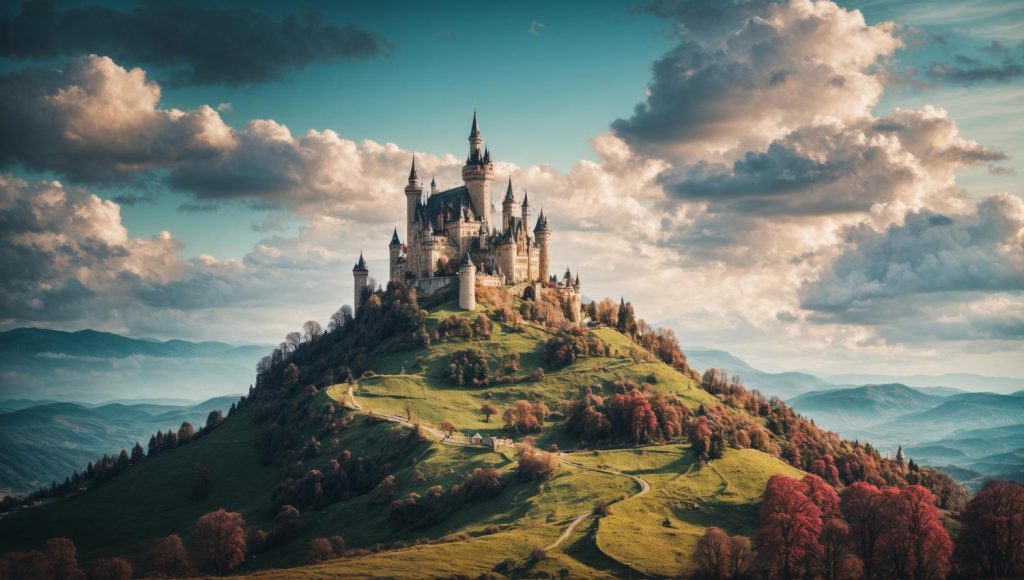
Whether you seek adventure in the Amazon jungles or enjoy carefree moments on the beach, one thing is certain: the experience of a journey is unparalleled. When our list includes a visit to medieval castles – from the mighty feudal strongholds of Scotland to the fairytale creations of Germany – our imagination crafts new worlds. Visiting one of these castles will make you appreciate the comforts of modern 21st-century life.
In some countries, there are countless castles; Wales has more than 600 castles (the most per square mile). Many European castles are now ruins, but many have survived intact. They were built to endure. So, while there is no shortage of castles to explore, some are certainly more interesting than others. The following 14 castles illustrate the variety of architecture you can behold. All began during the Middle Ages, roughly from 500 to 1450 AD.
Bellver Castle
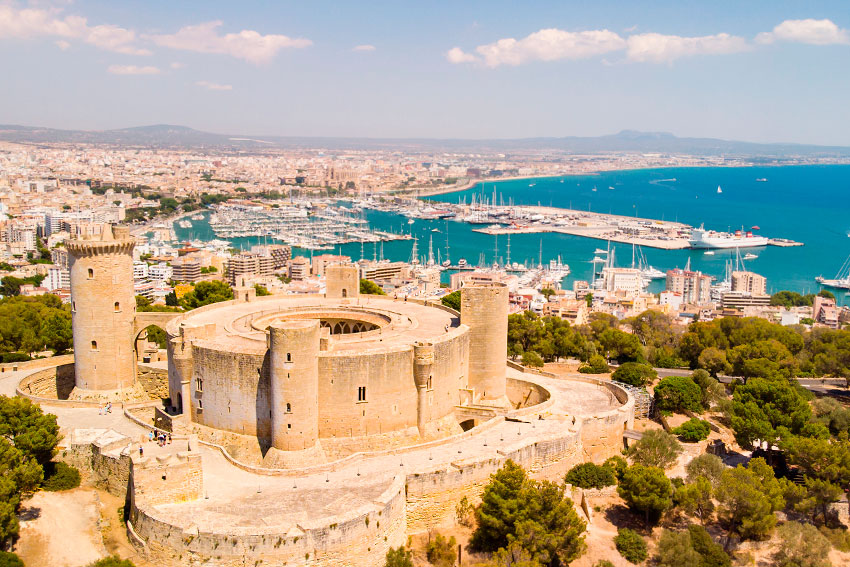
Bellver Castle is an impressive 14th-century Gothic-style building, located on a hill overlooking beautiful Palma de Mallorca. Built between 1300 and 1311, by order of King James II of Mallorca, it is one of the few circular castles, featuring an impressive square courtyard inside. A moat was later added for protection. Its sophisticated two-story interior, with columns and arcades, proves that it served as a royal residence and not merely as a fortress. However, from the early 18th century, it was converted into a military prison. The City History Museum, located on the ground floor, will give you an insight into the building's history.
How to get to Bellver Castle: The castle is approximately 3.5 km west of Palma city centre. You can get there by car via the Camilo José Cela road or by local bus. It is open to visitors from Tuesday to Sunday and offers free guided tours in English from Tuesday to Saturday.
Château de Chillon
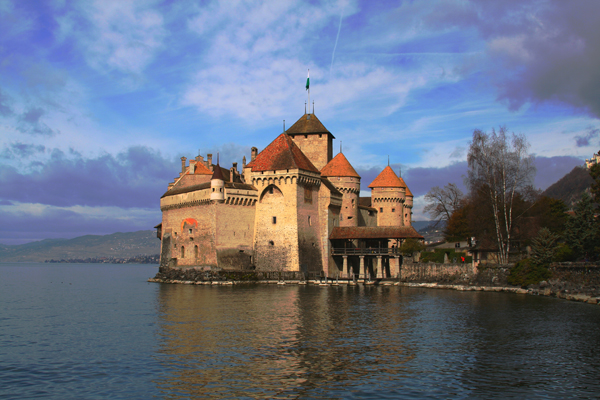
Château de Chillon is not only Switzerland's most popular castle but also the country's most visited historic building. Part of its charm lies in its location on an island in Lake Geneva, which acts as a natural fortress. Like many other castles, extensions were made here and it was used beyond the medieval era, but its construction began in the mid-13th century.
Part of this castle's allure is its connection to Lord Byron. His visit there in 1816 inspired him to write the epic poem "The Prisoner of Chillon", based on the story of Francois Bonivard, a political prisoner.
How to get to Château de Chillon: Your options include a 75-minute train journey from Geneva and a direct ferry from Lausanne which takes 90 minutes. By car, the castle is approximately 4 km from Montreux and is open all year round, except for the last week of December. Among the various guided tour options, you can finish with a glass of Clos de Chillon wine.
Muiden Castle
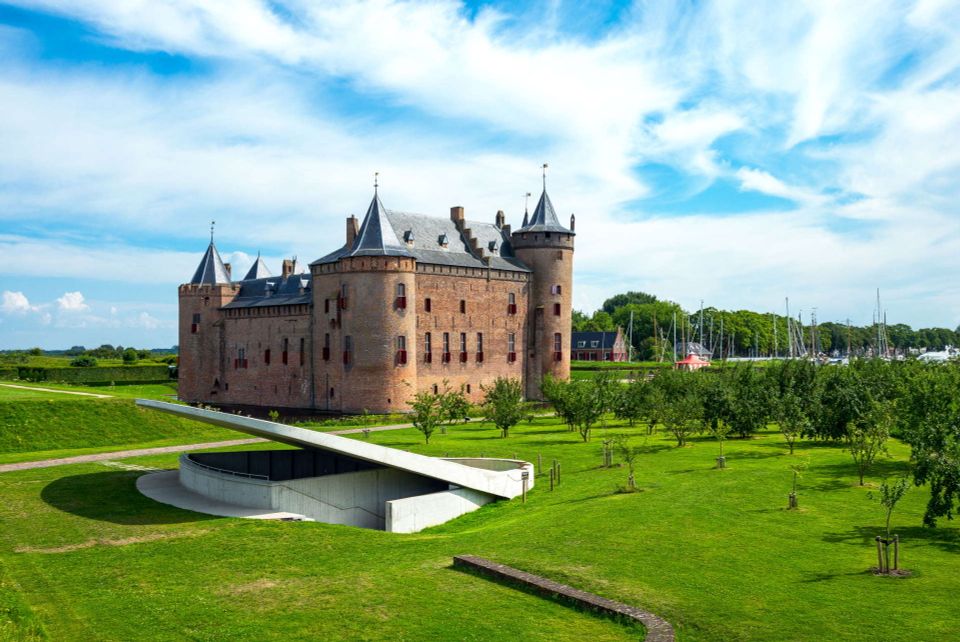
Just fifteen kilometres southeast of Amsterdam, the impressive 13th-century Muiderslot Castle dominates the banks of the River Vecht, where you can explore its magnificent round towers, dungeon, armory, and knight's hall on your own – with the help of audio guides, as guided tours are not conducted. It is particularly interesting for children, who can dress up as knights and practice jousting.
How to get to Muiderslot: Public buses run from Amsterdam to Muiden, although you will need to change buses at various stops. If you visit the castle from April to October, you can take the daily ferry from Amsterdam's IJburg marina and travel to the castle via Lake IJmeer. Another option is to hire a bicycle: an easy, scenic, and signposted cycle route from the city takes about 45 minutes.
Eilean Donan Castle
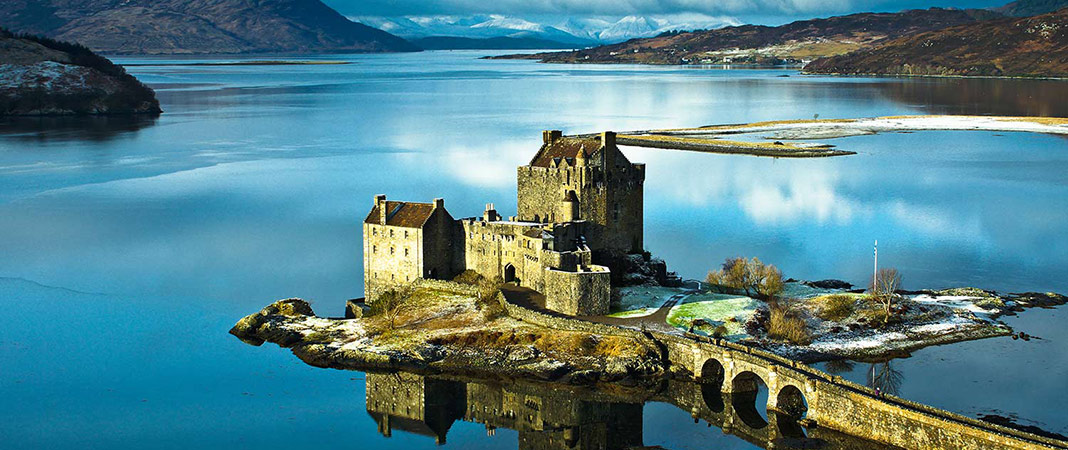
Off the coast of the Scottish Highlands, the charming 13th-century Eilean Donan Castle sits on a small island enclosed by three sea lochs and is only accessible via a stone bridge. Originally constructed in the 13th century, Eilean Donan was a multi-purpose site used as a fortress, residence, and observatory throughout its complex history. It was almost completely destroyed during the Jacobite rising of 1719 and lay in ruins for about 200 years. It was restored from 1911 and today, you can visit and explore its interior (using an audio guide), which showcases its rich 18th-century decor and atmosphere.
How to get to Eilean Donan Castle: Please note that Eilean Donan is closed in January. From Inverness, which is about two hours away, day trips and public buses provide direct access to the castle.
Bran Castle
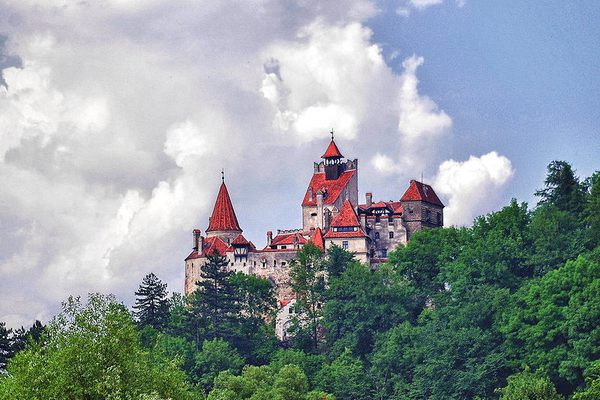
Known as "Dracula's Castle", the 57-room medieval fortress of Bran was the inspiration for the mythical character of Count Dracula, based on the real 15th-century leader, Vlad the Impaler. Although it is doubtful whether Vlad ever visited Bran Castle, its mystery and atmosphere have been preserved, especially during the late-night Halloween parties organised there. Built on a steep rock in the Carpathian Mountains of rural Transylvania, the impressive castle with its red towers is full of Gothic details. You can explore the interior with an audio tour, searching for hidden winding staircases, underground passages, and chambers filled with medieval weapons and armour.
How to get to Bran Castle: A bus from the city of Brasov, which is about 29 km away, runs regularly during peak season. Brasov is approximately a three-hour train journey from Bucharest.
Eltz Castle
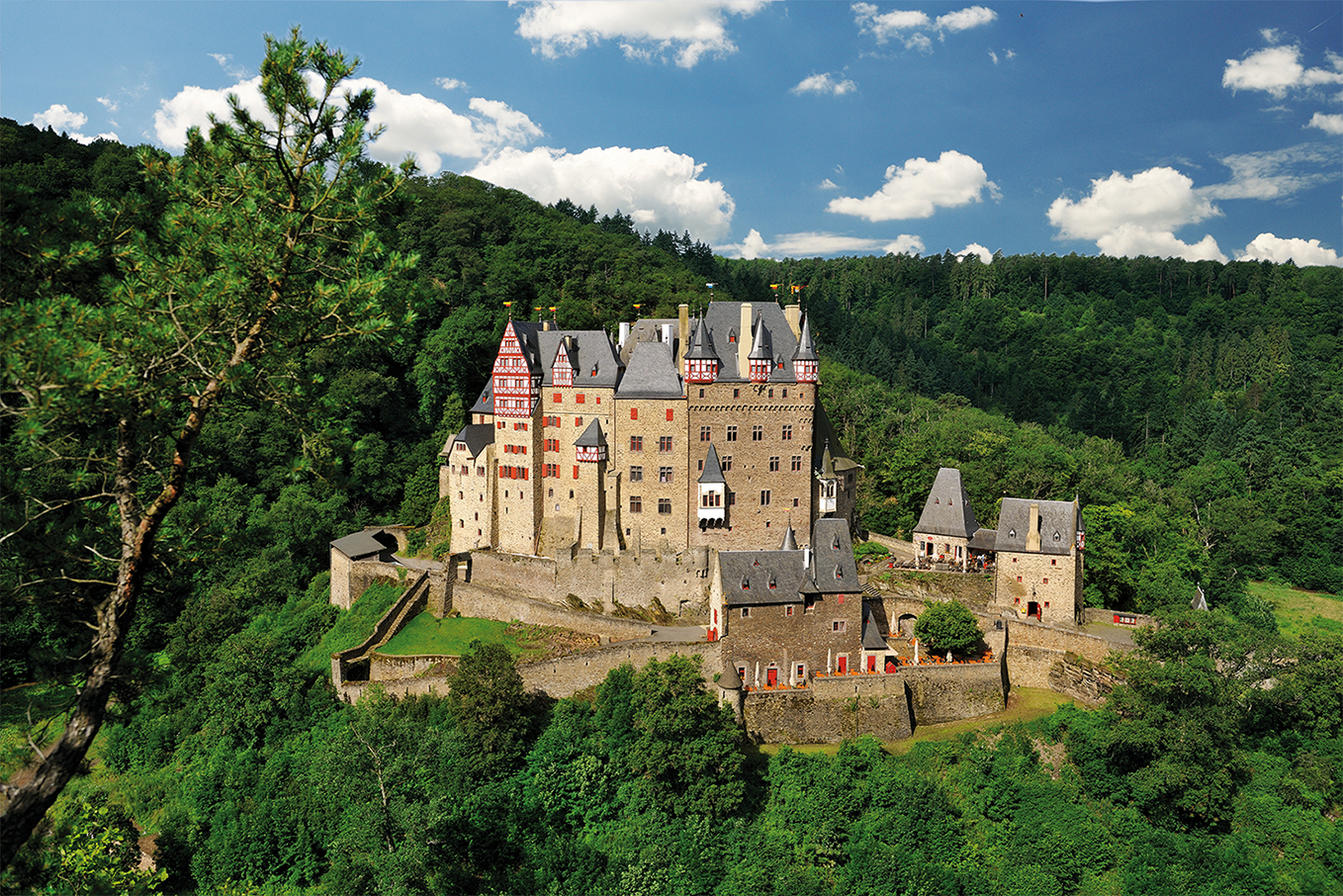
In the village of Wierschem, Germany, lies the impressively preserved Eltz Castle, which has belonged to the same family for approximately 900 years. With its eight tall towers, windows, gables, and timber frames, it looks like something out of a fairytale. Built on a 90-metre high rock, surrounded by forest, Eltz Castle is isolated in a side valley of the Moselle River. A 40-minute guided tour, in English, leads visitors through period rooms, featuring original 15th-century frescoes, tapestries, and furniture, as well as halls filled with medieval weapons.
How to get to Eltz Castle: Eltz Castle is open from April to November. A seasonal bus, the Burgenbus (castle bus), departs from various regional train stations on weekends and public holidays – the closest being Hatzenport, about 20 minutes away. You can reach Hatzenport from Cologne in less than 90 minutes by train (changing at Koblenz). There are also many hikes to the castle from nearby towns – the most popular is from Moselkern, which is less than 2.5 hours by train from Cologne, and a 45-minute moderate uphill walk.
Château de Beynac
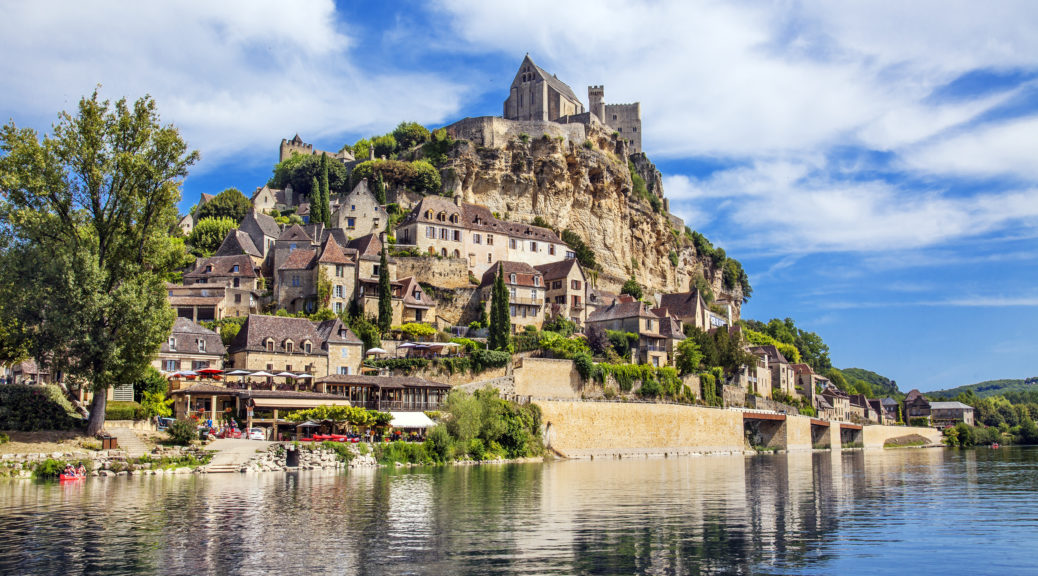
In Beynac-et-Cazenac, France, stands the 12th-century fortress, Château de Beynac. While it may not be considered one of France's most beautiful castles, its elevated position on a steep cliff, 150 metres above the Dordogne River, makes it unique. Château de Beynac is one of the best-preserved castles in the Dordogne River valley. With a double wall and twin moat, it was protected during the Hundred Years' War. An audio tour leads us through 12th-century rooms, 13th-century kitchens, and 15th-century oratories, as well as later 17th-century rooms with ornate tapestries.
How to get to Château de Beynac: To reach Château de Beynac you will need a car – there is parking next to the castle, or you can walk about 15 minutes from the beautiful village of Beynac-et-Cazenac, approximately 2.5 hours drive east of Bordeaux.
Guimarães Castle
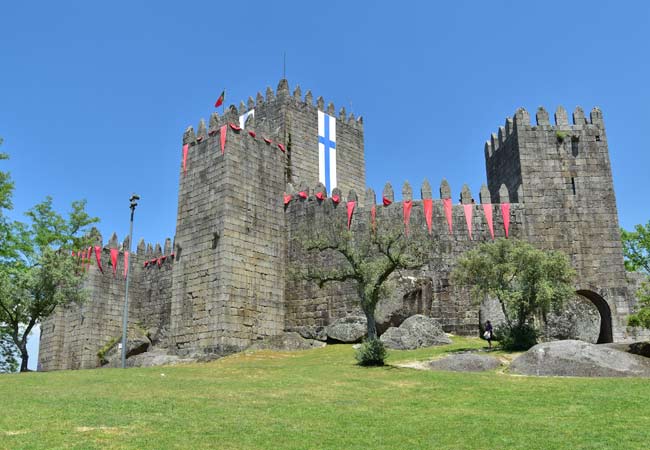
In the heart of the city of Guimarães in Portugal lies the impressive Guimarães Castle, the birthplace of the country's first king, Afonso Henriques, in 1109. The castle, built on a hill above the city, offers breathtaking views of the country's first capital. For centuries, its square towers and mighty fortifications withstood Moorish, Nordic, and Spanish invaders. In the 16th century, the castle was primarily used as a prison. It was recognised as a national monument in 1881 and later renovated. Many of its interiors are not preserved today, but entering the ramparts and visiting the permanent exhibition in the central keep offer a glimpse into the history of Guimarães and its castle.
How to get to Guimarães Castle: Guimarães Castle is approximately a 10-minute walk from the centre of Guimarães city. You can reach the city by train from Porto in about 1.5 hours, and there is also parking directly behind the castle.
Český Krumlov Castle
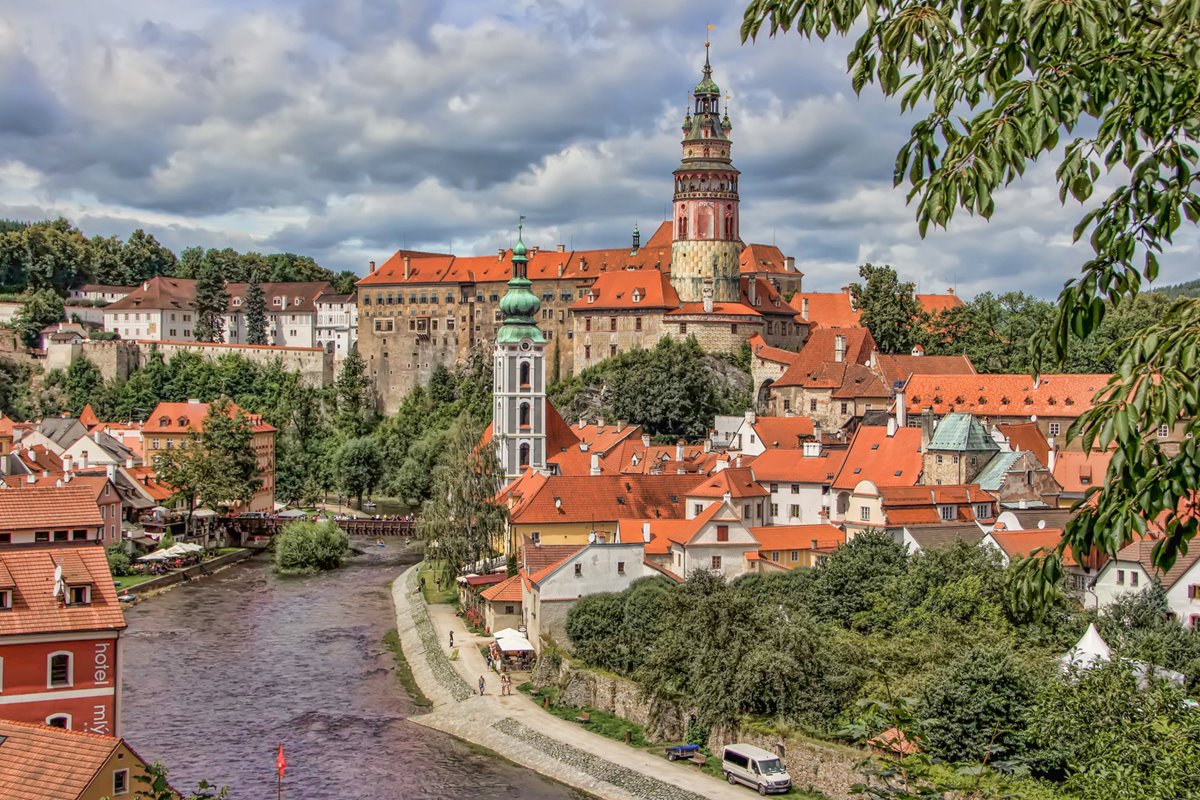
In the Czech Republic, in the city of Český Krumlov, stands the imposing Český Krumlov Castle, built on a promontory above the Vltava River. Visiting this epic castle requires a short hike as it's about a 15-minute walk from Český Krumlov town and features over 40 palaces and buildings, 5 courtyards, and a 17-acre park. This UNESCO World Heritage site includes architectural elements from the 13th to the 18th century.
There are two main guided tours inside the castle interiors (a ticket is required): one focuses on the castle's original interiors from the Renaissance period and includes the ornate Rococo chapel of St. George. The second focuses on the history of the noble Schwarzenberg family, who were former owners of the castle.
Notable features include an elaborately painted, six-story bell tower – climb the 162 steps for panoramic views – and, for children, the bear moat, an area housing a family of four playful bears. Access to the gardens and the bear area is free.
How to get to Český Krumlov Castle: Český Krumlov Castle is open from April to October. The town of Český Krumlov is located near the Austrian border and is a three-hour bus journey from Prague. From the town, the castle is accessible on foot, by taxi, or by car.
Conwy Castle
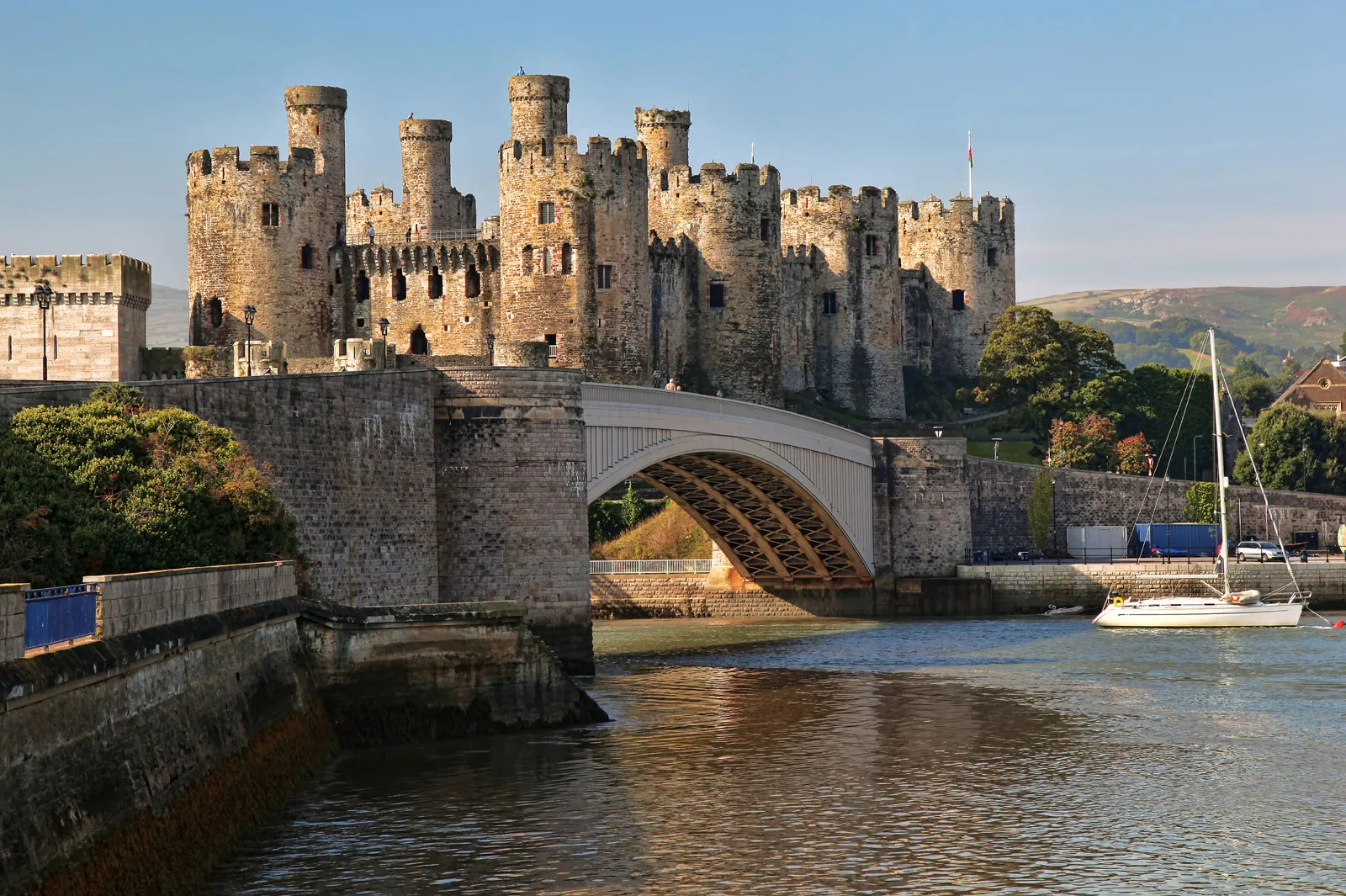
In Conwy, Wales, Conwy Castle is an imposing stone fortress, one of four built by Edward I of England during his conquest of Wales. With its eight towers, the castle strategically overlooks the walled town of Conwy and the surrounding landscapes, offering impressive views of the rivers and harbour. Although many parts have disappeared, the royal chambers remain well-preserved, offering a glimpse into medieval life. Without guided tours, information boards provide historical insights, while visitors can enjoy the breathtaking views from the tops of the towers.
How to get to Conwy Castle: The castle is accessible along the Wales Coast Path and is only 800 metres from Conwy train station. Additionally, there is parking available at the castle site.
Rochester Castle
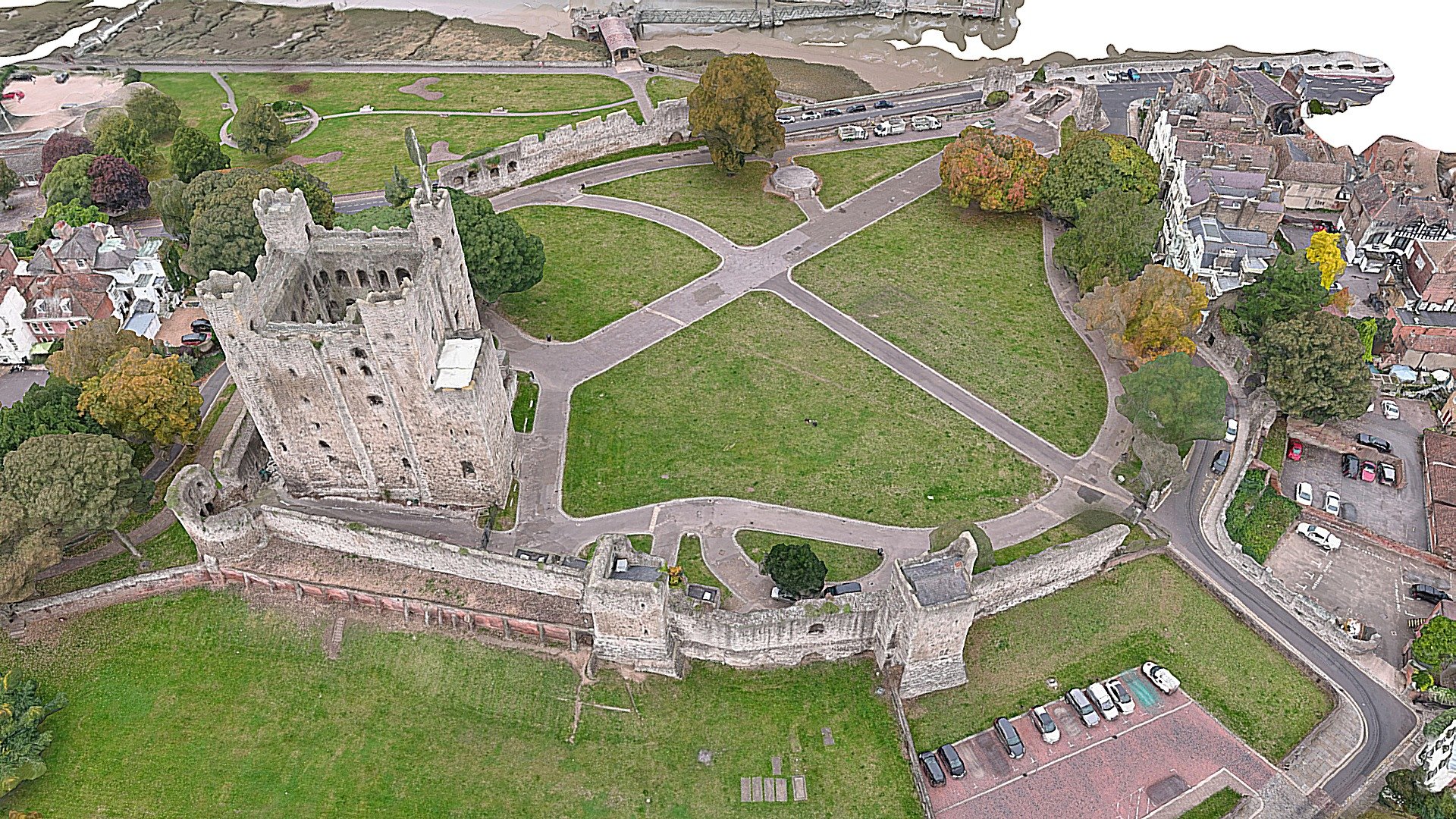
In Rochester, England, Rochester Castle, although largely ruined, remains a significant historical treasure. Its original gatehouse still stands as an impressive feature, while ancient battlements offer views of the city and the River Medway. With an audio tour, visitors can explore the castle's history and soak in the atmosphere of a bygone era.
How to get to Rochester Castle: Rochester is a short train journey from London and is a convenient 10-minute walk from Rochester train station.
Malbork Castle
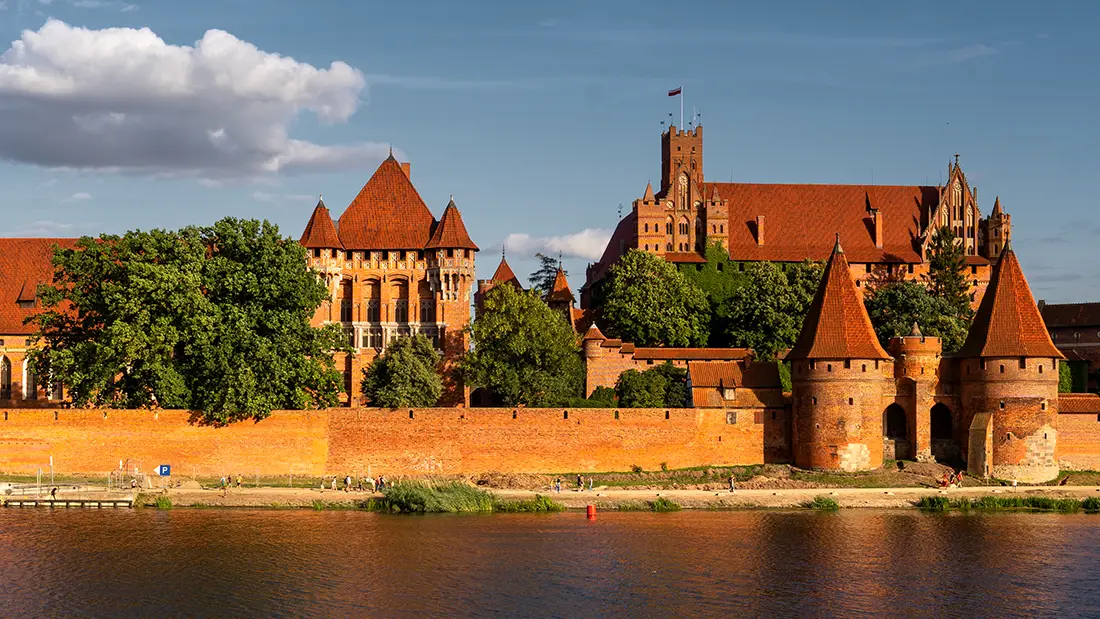
In Malbork, Poland, the Teutonic Castle, built of brick, spans a large area along the banks of the River Nogat. Construction began in 1309 and evolved into a complex of impressive military structures. Although almost completely destroyed during World War II, it was rebuilt with such detail that it is now a museum and a UNESCO World Heritage site. The castle's exhibits, such as its amber collections and medieval furnishings, are equally interesting.
How to get to Malbork Castle: Malbork is accessible after a 30-minute train journey from Gdansk or approximately 2.5 hours from Warsaw. From the train station, it's about a 15-minute walk (or you can get there quicker by taxi) to the castle.
Malahide Castle
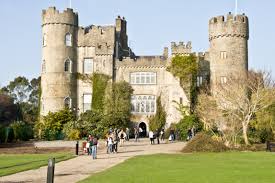
On the outskirts of Dublin, Malahide Castle stands as a unique building with a history stretching back to the 12th century. From its initial construction to its expansions, the castle offers a stunning sense of its history. With beautifully decorated rooms and a Gothic style in the Great Hall, the castle showcases its rich heritage. Furthermore, its charming park with various plant species and a butterfly house offer a delightful experience. Guided tours of the castle are available daily.
How to get to Malahide Castle: The castle is a 25-minute drive from Dublin city centre (also accessible by train and bus) or 10 minutes from Dublin Airport.
Hohenwerfen Castle
In Werfen, Austria, Burg Hohenwerfen is a popular excursion from nearby Salzburg, offering a captivating day filled with medieval grandeur. With magnificent views of the Salzach Valley and surrounded by the towering peaks of the Tennen mountain range, the fortress stands 150 metres atop a rock. While a cable car ride will ease your ascent, the view from the top is unforgettable. The castle, dating back to 1077, is impressive, with multiple towers and beautiful timber-beamed rooms. There you will discover a grand knights' hall with frescoes, a hidden stone staircase, an armory, and even a torture chamber. The castle also houses the State Falconry Centre, featuring demonstrations of indigenous birds of prey.
How to get to Burg Hohenwerfen: The castle is open from April to November. It is easily accessible from Salzburg by train to Werfen, taking approximately 45 minutes. From the train station, the castle's cable car is just a 20-minute walk away. If you prefer to drive, you can reach it from Salzburg in about 25 minutes.
From the mysterious Château de Chambord in the French countryside to the imposing tower of the Alhambra Castle in Spain, each of these castles transports us to a world of rich history and cultural heritage. As visitors wander among the castle fortifications and admire their architectural details, they also discover the variety of cultures and personalities that shaped European history. Each castle is an open book that teaches us about the past and inspires us for the future.

Η συντακτική ομάδα
Travelo Team
Συντακτική ομάδα του Travelo.gr
Πολυταξιδεμένη συντακτική ομάδα με πάνω από 15 χρόνια στον ταξιδιωτικό δημοσιογραφικό χώρο και περισσότερους από 45 προορισμούς σε Ελλάδα και Ευρώπη. Έχουμε διανυκτερεύσει σε εκατοντάδες καταλύματα — από μικρά οικογενειακά ξενοδοχεία και παραδοσιακούς ξενώνες μέχρι resorts 5 αστέρων — και δοκιμάζουμε προσωπικά περιοχές, μεταφορές και υπηρεσίες πριν προτείνει κάτι.
- 45+ προορισμοί επί τόπου
- 500+ καταλύματα σε αξιολόγηση
- 15 χρόνια ταξιδιωτικής αρθρογραφίας
Πώς δουλεύουμε: κάθε οδηγός βασίζεται σε επιτόπια εμπειρία, διασταύρωση αξιολογήσεων επισκεπτών και έλεγχο διαθεσιμότητας/τοποθεσίας κάθε καταλύματος. Ορισμένοι σύνδεσμοι είναι συνεργατικοί (affiliate) — αν κάνετε κράτηση μέσω αυτών, στηρίζετε το Travelo.gr χωρίς καμία επιπλέον χρέωση για εσάς, και δεν επηρεάζουν τις προτάσεις μας. Τελευταία ενημέρωση οδηγού: 22 Σεπτεμβρίου 2026.