Caves of Crete
Caves represent a category of sites of exceptional importance. The preservation of a wide variety of evidence of human activities, local climate, and environment that characterise caves attracts the interest of the research community. Beyond the amazing beaches in Crete, you will also find around 3,366 karstic formations across the island. Many…
Από Travelo Team
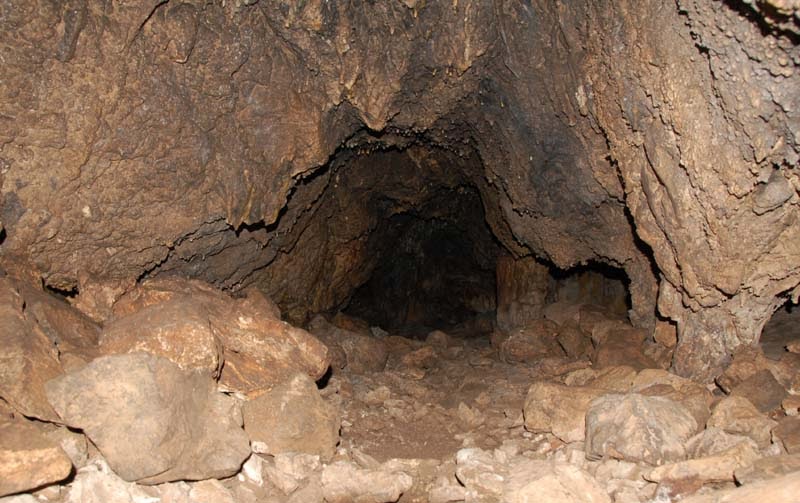
Caves represent a category of sites of exceptional importance. The preservation of a wide variety of evidence of human activities, local climate, and environment that characterise caves attracts the interest of the research community.
Beyond the amazing beaches in Crete, you will also find around 3,366 karstic formations across the island.
Many caves have been known since the Neolithic – prehistoric era. Some were used as dwellings, as evidenced by the findings within them. They also served funerary needs or were used as places of worship.
Caves of archaeological interest: Eileithyia, Agia Paraskevi, Arkalochori, Chosto Nero, Kamilari, Trapeza, Kamares, Faneromeni.
Caves of religious, historical, and speleological interest: Agia Foteini, Sarchos, Marmorospilios, Arkalospilios.
[ See also: Flights to Crete at the best price! ]
Caves of archaeological interest
Eileithyia: Located above Karteros, it is also known as Neraidospilios. According to archaeologists, it was a cult cave whose use extended from the Neolithic to the Roman period.
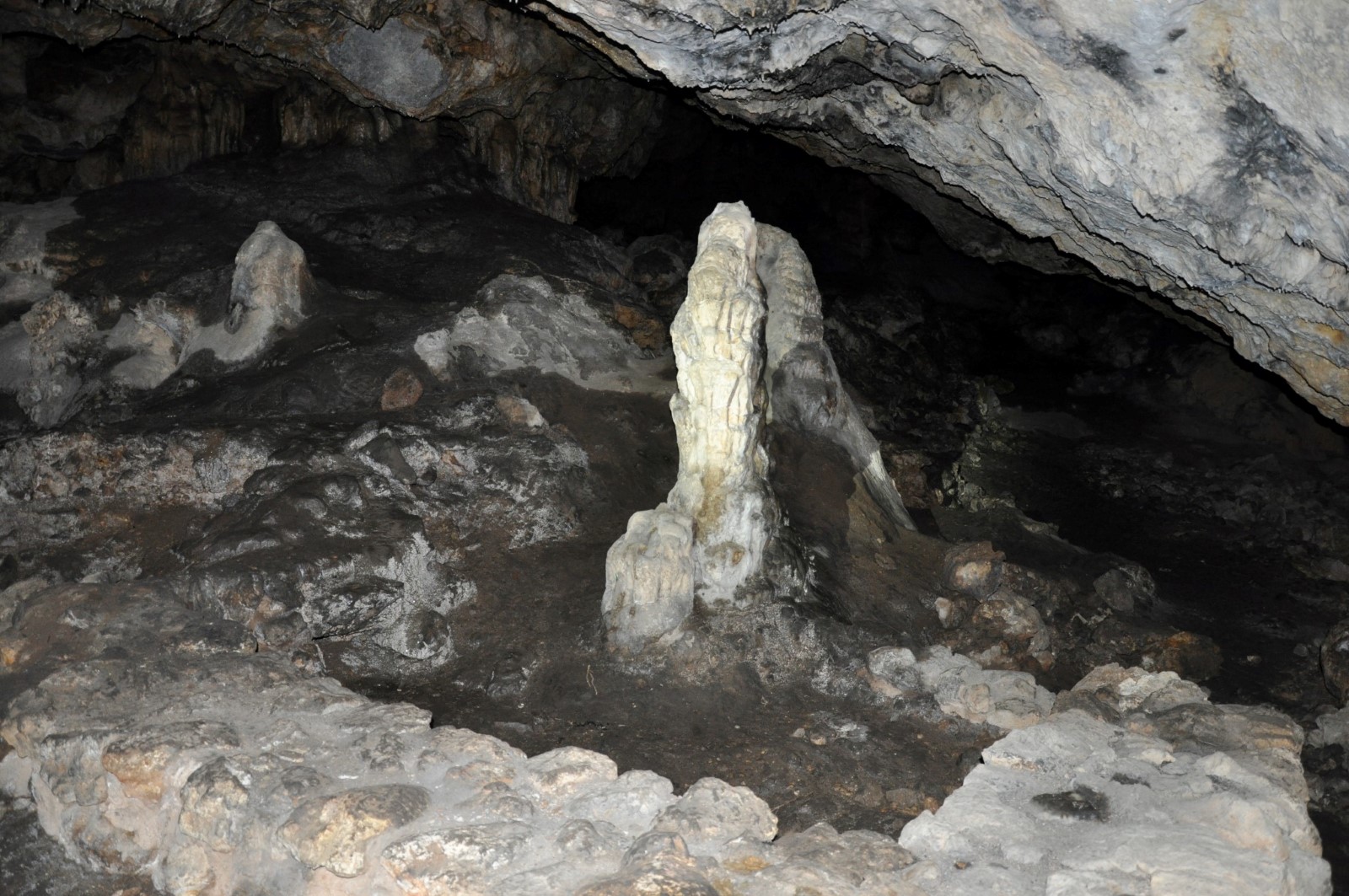
Homer was the first to mention this renowned cave.
Agia Paraskevi: One of the large caves in the region is that of Agia Paraskevi in Skotino. Archaeological findings from the cave confirm its use as a place of worship from at least 1900 BC until the 4th century AD.
From the 16th century AD, the worship continued and was naturally adapted to new religious concepts. This is evidenced by the remains of a church inside the cave, although we do not know to which saint it was dedicated.
Arkalochori: The cave of the same name is located in the area of Profitis Ilias. It was one of the most important cult centres of the Minoan era, with its use beginning around 2500 BC. From the significant finds unearthed, which include weapons, knives, swords, golden double axes, etc., it is believed that an unknown war deity was worshipped in the cave.
The preservation of so many treasures is due to the cave's collapse from natural causes, burying the objects and thus saving them.
Chosto Nero: The cave of Chosto Nero is located in the Selia area of Giouchtas, near the road leading to the summit of Afentis Christos. It was studied and mapped by Paul Fanze. It was known to 19th-century travellers.
It is believed to have been a cave that served the cult needs of the pastoral population of the area.
Kamilari: Near the collapsed threshing floor, which was the roof of a large underground cave that collapsed, lies the Kamilari cave.
The interior of the cave features rich stalactite and stalagmite formations, shaped over centuries by this underground natural workshop. It is believed to have been a place of worship for a mother goddess.
Trapeza: Northwest of Tylissos, at an altitude of 460 m, lies the Trapeza cave. The narrow opening of the cave leads to a spacious hall, around which are low-ceilinged chambers.
The cave had a cult character and was used from the Middle Minoan to the Late Minoan periods.
Kamares: Above the village of Kamares in Messara lies the cave of the same name. During the Neolithic era, it was used as a human dwelling. In the Minoan era, its use changed, and it was established as a sacred place of worship.
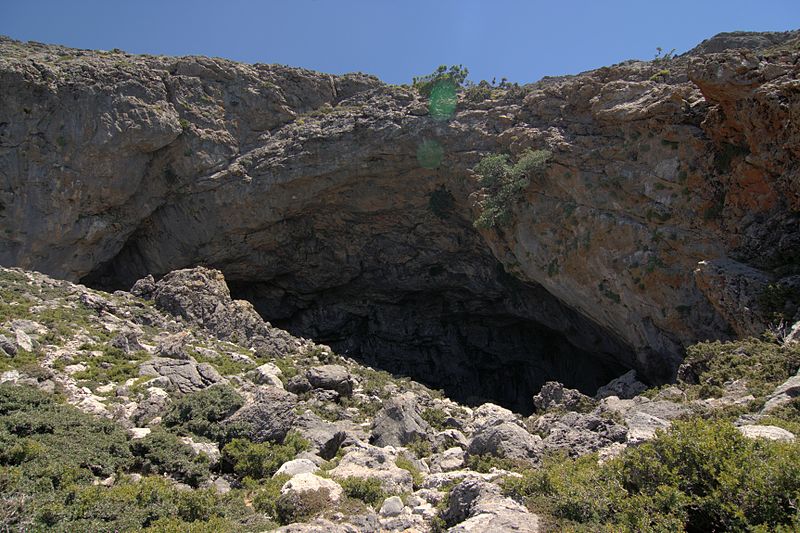
The deity worshipped is believed to have been a protector of livestock breeders and farmers. The famous Kamares ware, with its rich colourful decoration and eggshell-thin form, was found in this cave.
These were the vessels used by worshippers to transport produce or liquids to this cult cave.
Faneromeni: The cave, 43m deep, is located on the foothills of the Lassithi mountains, above the village of Avdou. It features rich lithic decoration and was used as a place of worship from the Late Minoan to Roman times.
Excavations carried out there brought to light several archaeological finds.
[ See also: Flights from Athens to Chania at the best price! ]
Caves of religious, historical, and speleological interest
Agia Foteini: Next to the Faneromeni cave is the holy cave of Agia Foteini, to which worship was transferred from the adjacent cave, adapted, of course, to the forms of the new Christian religion.
Two stalagmites, called “Agia Foteini's Knees”, receive the candles of pilgrims. A small chamber at the back of the hall is also used as a Holy Altar.
Sarchos: The cave is better known as Spilios kai Chonos Sarchou. It is the bed of an underground river that discharges large quantities of water.
The historical significance of the cave lies in its usefulness during the 1866-69 revolution, as women and children from the village sought refuge there to save themselves.
The Turks' failure to burn the cave with the women and children forced them to sign an honourable protocol with I. Filippakis, the head of the cave's guard. This event had a positive impact on the Cretan struggle.
Marmorospilios: It was the bed of an old underground river. It is located near the village of Kamaraki. It is one of the richest caves in Crete in terms of natural decoration.
It also served as a refuge for the 'hainides', as the armatoloi and klephts of Crete were called during the Ottoman occupation.
From them, it took its other name, Hainospilios. It was also the headquarters of Captain Palmetis from the neighbouring village of Kamaraki.
Arkalospilios: At Arkalokefalo, before Marathos, lies the Arkalospilios cave. Columns of stalactites and stalagmites create a wonderful ensemble.
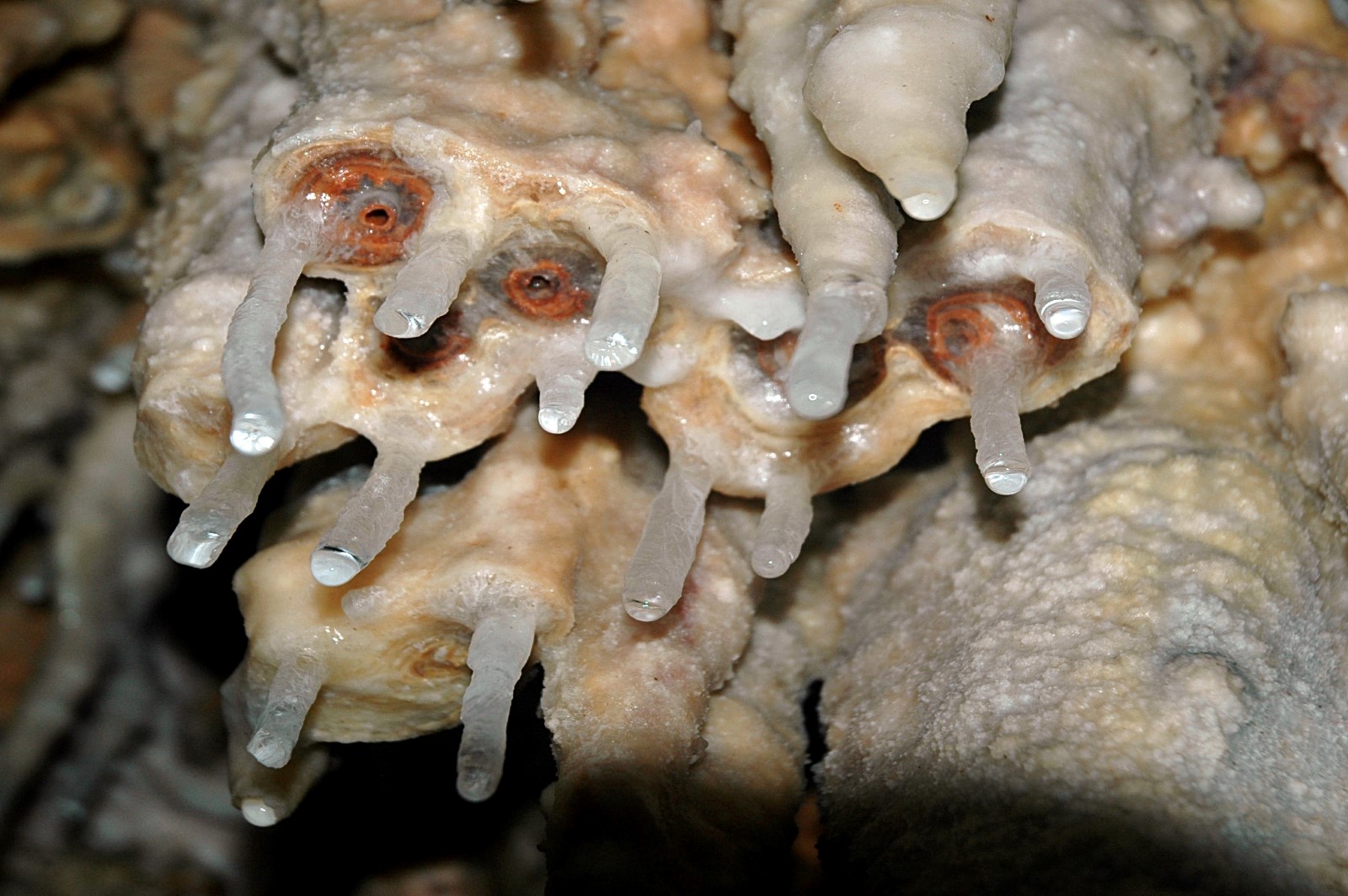
Its spacious halls, which unfold after the narrow entrance, offered protection to the residents of neighbouring villages during various periods of uprising.
To tour and explore all the caves, you will need your own car, preferably an SUV or off-road vehicle. The best option is to choose car hire without a credit card or deposit – this way you will have the ideal vehicle to explore the caves of Crete – many of which are difficult to access with a regular car – and you will also have full comprehensive insurance without having to pay with a credit card or provide a deposit!

Η συντακτική ομάδα
Travelo Team
Συντακτική ομάδα του Travelo.gr
Πολυταξιδεμένη συντακτική ομάδα με πάνω από 15 χρόνια στον ταξιδιωτικό δημοσιογραφικό χώρο και περισσότερους από 45 προορισμούς σε Ελλάδα και Ευρώπη. Έχουμε διανυκτερεύσει σε εκατοντάδες καταλύματα — από μικρά οικογενειακά ξενοδοχεία και παραδοσιακούς ξενώνες μέχρι resorts 5 αστέρων — και δοκιμάζουμε προσωπικά περιοχές, μεταφορές και υπηρεσίες πριν προτείνει κάτι.
- 45+ προορισμοί επί τόπου
- 500+ καταλύματα σε αξιολόγηση
- 15 χρόνια ταξιδιωτικής αρθρογραφίας
Πώς δουλεύουμε: κάθε οδηγός βασίζεται σε επιτόπια εμπειρία, διασταύρωση αξιολογήσεων επισκεπτών και έλεγχο διαθεσιμότητας/τοποθεσίας κάθε καταλύματος. Ορισμένοι σύνδεσμοι είναι συνεργατικοί (affiliate) — αν κάνετε κράτηση μέσω αυτών, στηρίζετε το Travelo.gr χωρίς καμία επιπλέον χρέωση για εσάς, και δεν επηρεάζουν τις προτάσεις μας. Τελευταία ενημέρωση οδηγού: 22 Σεπτεμβρίου 2026.