How to handle turbulence anxiety, according to experts
If your biggest concern when it comes to flights and aeroplanes is the possibility of turbulence, it might help to know that you are not alone. A large percentage of people who travel daily by plane experience the same fear. We offer you the most useful tips to deal with this situation. If your…
Από Travelo Team
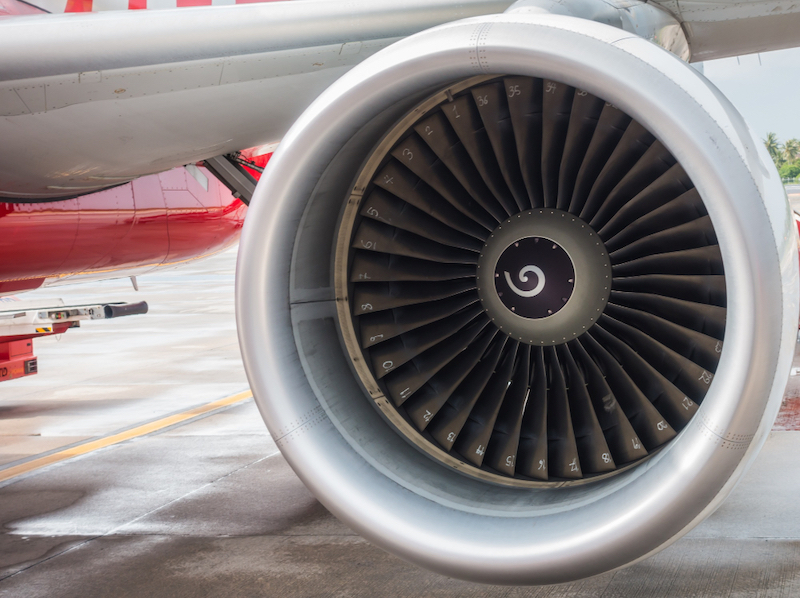
If your biggest concern when it comes to flights and aeroplanes is the possibility of turbulence, it might help to know that you are not alone. A large percentage of people who travel daily by plane experience the same fear. We offer you the most useful tips to deal with this situation.
If turbulence on your flights causes you anxiety, you might be surprised to learn that you're not alone. This phenomenon is one of many factors that can intensify the fear of flying, also known as aviophobia. Aviophobia is a topic that hasn't been extensively studied, but a 2015 survey revealed that 40% of travellers "feel slightly annoyed" by the thought of flying, while 15% experience outright fear.
As David Rimmer states in Travel + Leisure, "I've never met anyone who likes turbulence, and for individuals who already experience a fear of air travel, turbulence is even more concerning." Mr Rimmer is not only a fervent advocate for flight safety but is also a survivor of an mid-air plane collision.
Although turbulence can cause significant anxiety for passengers, according to experts, it poses minimal threat to the safety of modern aeroplanes.
Below you will find all the information you need to manage your anxiety about turbulence and have a calm and peaceful flight!

# Understanding Turbulence
Turbulence is essentially just air moving in an unusual, unexpected, or incomprehensible way. It can occur due to various phenomena, from storms to changes in atmospheric pressure, and from air flowing over and around mountains – even when weather conditions are absolutely calm.
Typically, turbulence is categorised into four levels of severity, according to the National Weather Service: light, moderate, severe, and extreme.
- Light turbulence is the most common and, in a commercial aircraft, is only felt as a slight bump.
- Moderate turbulence is rarer and can be a bit more intense; it might cause your drink to spill.
- Severe turbulence is even rarer, but when it occurs, it can cause injury to passengers or crew who are not strapped into their seats. These are the instances of turbulence that we all learn about as they become news on social media.
- Extreme turbulence, on the other hand, is almost never observed but when it does occur, it causes violent movements in the cabin and loss of control of the aircraft. It should be noted that severe turbulence usually occurs during strong storms; however, modern aircraft now possess such advanced weather prediction technology that they avoid all forms of extreme weather phenomena.
During flights, pilots are always in communication with each other, and if one encounters turbulence, they inform their colleagues via the air traffic control tower, which guides them. This means that other aircraft flying behind them will need to adjust their course, usually to a different altitude. If turbulence is unavoidable, the captain will ask passengers and crew to fasten their seatbelts.
Of course, this procedure is not entirely foolproof, which is why pilots (and air traffic controllers) also monitor weather reports and radar data during the flight. Furthermore, advanced detection systems are being developed. For example, organisations such as NASA and the National Centre for Atmospheric Research are developing programmes that use satellite data, computational weather models, and artificial intelligence for more accurate predictions.
# Turbulence and safety
Turbulence is not the only risk factor for aircraft, although in the past it posed a more serious threat than it does today. Aeroplanes are designed to withstand light or moderate turbulence, just as cars can navigate bumpy roads or a ship can cope with bad weather.
While you don't need to worry about the structural integrity of the aircraft, it's important to focus on your own safety during turbulence. According to studies from 2009 to 2022, 163 people were seriously injured due to turbulence, with 129 of them being airline crew members. Flight attendants sustain the most serious injuries during flights, as they do not remain strapped into their seats.
Passengers should remain seated as much as possible, always keep their seatbelt fastened, and never stand up to avoid turbulence-related injuries.
Strategies for coping with turbulence anxiety
If the thought of turbulence causes you anxiety, here are some techniques you can follow before and during your flight to address your fears.
# Choose your seat carefully.
Avoid sitting at the rear of the aircraft, as turbulence is more pronounced there.
# Listen carefully to the pilots' instructions.
Pilots usually provide weather updates before take-off, so listen carefully to the announcements made during boarding. During the flight, always heed the crew's instructions regarding turbulence and remain seated and buckled up when advised.
# Practise grounding techniques (physical and mental)
Grounding practices are among the most effective methods to combat anxiety, as they allow you to focus on your body and remove unpleasant thoughts from your mind.
You should engage as many senses as possible: sight, touch, smell, and hearing. Experts suggest focusing on an object in front of you, such as a curtain or an exit sign, and then gently touching something solid, like your armrest. As you do this, try to notice the smells around you, from food to a passenger's perfume. Then, listen to any conversations happening around you, paying more attention to the tone of people's voices than to the words.
You can also use the repetitive breathing technique to calm yourself. Besides serving as a reminder to breathe, rhythmic breaths can have a soothing effect on the body. A person usually feels more relaxed within 30 seconds of starting the exercise.
The 3-3-3 method is recommended. Start by slowly inhaling through your nose for three seconds, hold your breath for three seconds, exhale through your mouth for three seconds, wait for three seconds, and then repeat.
# If you have someone next to you, you can start a relaxed conversation.
Chatting with your fellow passenger can help distract both of you from the turbulence. One of the benefits of helping someone else is that you'll notice an immediate reduction in your own anxiety. If you are travelling alone and your neighbour is a stranger, approach them with a calm voice. You can start a conversation about your travel destination. Ask what they plan to do once they arrive, or if they have pets or children.
If you see that they are not available for a chat, you can share a few things about yourself and your plans. This will help them focus on your voice and distract them from the turbulence.
In conclusion, managing turbulence during a flight is a skill that can be learned. It's important to remember that the aviation industry has continuously evolved and improved, with pilots and crew being well-trained to handle every possible situation.
However, preparation and knowledge remain our most powerful tools. By following the advice presented in this article, we can face turbulence with more confidence and create a more comfortable travel experience.
Don't forget that the aeroplane remains the safest means of travel, and turbulence is part of it. With the right preparation and coping techniques, we can fly safely and comfortably, even if the weather conditions are not ideal and a bit of turbulence occurs.
Have a good trip and safe flights everyone!

Η συντακτική ομάδα
Travelo Team
Συντακτική ομάδα του Travelo.gr
Πολυταξιδεμένη συντακτική ομάδα με πάνω από 15 χρόνια στον ταξιδιωτικό δημοσιογραφικό χώρο και περισσότερους από 45 προορισμούς σε Ελλάδα και Ευρώπη. Έχουμε διανυκτερεύσει σε εκατοντάδες καταλύματα — από μικρά οικογενειακά ξενοδοχεία και παραδοσιακούς ξενώνες μέχρι resorts 5 αστέρων — και δοκιμάζουμε προσωπικά περιοχές, μεταφορές και υπηρεσίες πριν προτείνει κάτι.
- 45+ προορισμοί επί τόπου
- 500+ καταλύματα σε αξιολόγηση
- 15 χρόνια ταξιδιωτικής αρθρογραφίας
Πώς δουλεύουμε: κάθε οδηγός βασίζεται σε επιτόπια εμπειρία, διασταύρωση αξιολογήσεων επισκεπτών και έλεγχο διαθεσιμότητας/τοποθεσίας κάθε καταλύματος. Ορισμένοι σύνδεσμοι είναι συνεργατικοί (affiliate) — αν κάνετε κράτηση μέσω αυτών, στηρίζετε το Travelo.gr χωρίς καμία επιπλέον χρέωση για εσάς, και δεν επηρεάζουν τις προτάσεις μας. Τελευταία ενημέρωση οδηγού: 22 Σεπτεμβρίου 2026.